

Ssangyong's 77-day strike inspired a Venice-winning PE horror film
Lee Chang-dong's 'Possible Love' turns a private equity takeover into a horror story - and warns boards what happens when labor rights lose to profitability.
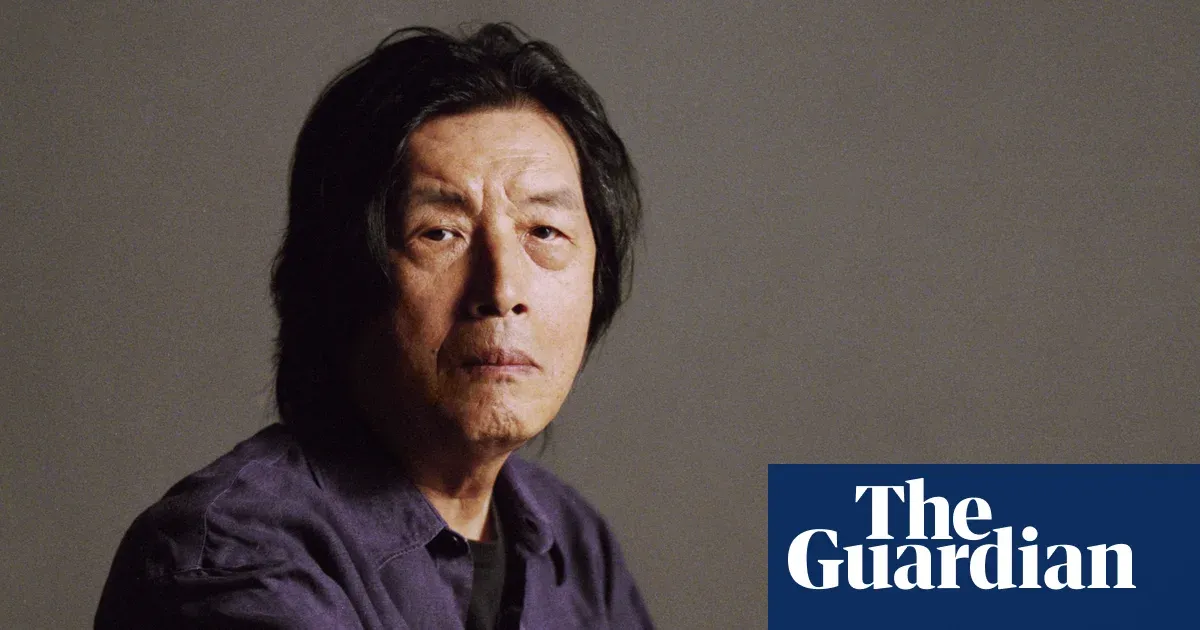
Director Lee Chang-dong's Venice-winning film 'Possible Love' dramatizes a private equity takeover, inspired by Ssangyong Motors' 2009 mass layoffs and 77-day strike. For decision-makers, it is a reminder that labor unrest can reshape corporate risk when profitability trumps worker rights.
A private equity firm circles your company, then mass layoffs follow, then a 77-day factory occupation ends with riot police. That is not a dystopian screenplay - it is the real 2009 Ssangyong Motors standoff, and the inspiration behind Lee Chang-dong's new film, Possible Love, which won the grand jury prize at Venice. The auteur's latest work is a study of labor, capital, and the fallout of redundancy, and it arrives as a searing Oscar contender with a warning for every executive who has ever run a restructuring.
The premise is a quintessential 21st-century horror story: a private equity firm has set its sights on your company. Lee first conceived the idea more than a decade ago, when mass layoffs at Ssangyong Motors triggered a standoff that, in his words, "fundamentally changed the Korean labour movement." In 2009, workers protested plans to lay off between 37 and 43% of the workforce, staging a historic 77-day strike and occupation of the factory that was eventually broken up by riot police. The outcome was a turning point: until then, Lee says, "labourers' rights were widely accepted" in Korea; afterwards, they could no longer be seen as more important than market profitability or corporate competitiveness.
For executives, the Ssangyong case is a case study in how quickly labor relations can become a strategic crisis. What began as a redundancy plan escalated into a months-long occupation, drawing riot police and reshaping public perception of corporate power. The film's timing is notable: private equity activity has surged globally, and layoffs in pursuit of efficiency remain a standard playbook move. But Possible Love frames that playbook as horror, suggesting that the human cost of capital decisions is not an externality - it is the story itself.
Lee's film also carries a moral charge. "Telling tales of the disenfranchised is our moral responsibility," he says, speaking through an interpreter in a central London hotel. That statement is a direct challenge to the logic that treats workforce reductions as purely financial calculations. The director is not offering a policy prescription, but he is holding up a mirror to the incentives that drive many corporate decisions - and to the consequences that follow when those incentives ignore human dignity.
The Venice win and Oscar buzz give Possible Love a platform far beyond the art house. For boards and C-suites, the film is a cultural signal that labor rights are re-entering the mainstream conversation. It arrives amid growing scrutiny of private equity practices, from leveraged buyouts to job cuts, and suggests that the reputational risk of aggressive cost-cutting may be rising. The Ssangyong strike is a reminder that when workers feel they have nothing to lose, the standoff can become physical, prolonged, and impossible to contain quietly.
There are also practical lessons for dealmakers and executives. The Ssangyong conflict did not emerge overnight - it was the product of a restructuring plan that lacked social consensus. The 37 to 43% layoff range was always going to provoke resistance, and the 77-day occupation shows how deep that resistance can run. For private equity firms conducting due diligence, labor relations are not just an HR issue; they are a material risk that can delay deals, destroy value, and tarnish brands. For CEOs, the message is simpler: the cost of ignoring worker voice can escalate far beyond the severance package.
Ultimately, Possible Love is a warning dressed as cinema. Lee Chang-dong has turned a real corporate conflict into a horror story because, for the workers involved, it was one. The film's resonance with audiences and juries suggests that the disenfranchised are no longer willing to be footnotes in the story of capital. For decision-makers, the takeaway is clear: the fight for dignity is not an impossible fight - it is a predictable one, and ignoring it is the riskiest move of all.
This story's Key Insights and Take-aways are locked.
Create a free account to unlock Executive Actions for one credit.
Register to UnlockAlways free for Executives Club members. Join the Club
More in Business

A flaw in PHP just forced governments to pull their own sites offline
European agencies from Belgium to Germany took websites dark to patch a critical weakness in the language behind almost 70% of the web, and the blast radius extends far beyond government portals.

BioWare shuts down, Mass Effect 5 dead after $55B EA buyout
The legendary RPG studio's closure lands months after a $55 billion investment group buyout of EA, raising tough questions for gaming's biggest acquirers.
Musk weighs Tesla-SpaceX mega-merger as boards form review panels
Special committees at both companies will examine a tie-up that could fuse electric vehicles and space launch, forcing a fresh look at governance and valuation.