

Steam hits $11.1B H1 revenue, up 14.5%, its highest half-year on record
For platform investors and publishers, Steam’s record first-half revenue signals where gaming’s money is concentrating next.

Alinea Analytics estimates Steam generated $11.1 billion in H1 revenue, up 14.5% year-over-year. For decision-makers, it is a scoreboard update that can reshape negotiations, budgets, and the leverage publishers bring to platform talks.
Steam just posted a revenue number that is hard to ignore: $11.1 billion in first-half (H1) revenue, according to estimates from data firm Alinea Analytics. That figure is up 14.5% year-over-year and, importantly, it marks Steam’s highest half-year revenue on record.
In other words, this is not a minor uptick or a short-lived spike. It is a record-setting stretch, and it matters because Steam is not just another channel. It is one of the core distribution rails for PC gaming, so when its revenue trajectory accelerates, the ripple effects hit publishers’ planning, developers’ forecasting, and the way businesses evaluate risk across the broader ecosystem.
To translate the headline into decision-grade implications, start with incentives. Platforms want to grow take rates, improve discovery, and keep players engaged longer. Publishers and developers want predictable demand, transparent economics, and channels that can reliably translate marketing spend into sales. When Alinea Analytics estimates show Steam reaching a new peak for H1 revenue, it strengthens the argument that Steam is still the gravitational center for PC game spending, especially during a period where many companies are trying to manage tighter budgets and more cautious capital allocation.
There is also a practical second-order effect: revenue growth tends to change how leverage gets distributed. When a platform is expanding, it often becomes easier for publishers to justify investments in marketing and content that assumes consistent monetization. At the same time, platform operators can use stronger performance to negotiate terms, because they can credibly point to demand that is already showing up at scale. Even if individual contract details vary, the direction of travel usually influences internal board conversations: how much budget should be earmarked for PC distribution, how much should be shifted to alternatives, and how much should be reserved for experiments.
Regulatory and compliance dynamics are part of the backdrop too, even when the specific figure here is purely revenue. In recent years, regulators globally have increased attention on digital platform behavior, including how marketplaces handle fees, rankings, and consumer protections. While this update does not introduce any new regulatory action or claims about policy, record revenue numbers can intensify scrutiny simply because they make the platform’s economic power more visible. That can push legal and policy teams to be more proactive, particularly for companies that rely heavily on the platform for distribution or monetization.
Now zoom out to what this could mean for the broader gaming economy. Steam’s growth is essentially a confirmation that players are spending money on PC titles at a pace that not only continues but improves. If Steam is setting a record in H1, it suggests that the monetization environment for PC games remained supportive through the first half of the year. That can influence studio roadmaps in a very unromantic but very real way: expectations for sales velocity, revenue timing, and how quickly titles need to convert attention into purchases or subscriptions (where applicable).
For boards and executives, the strategic stake is straightforward. If Steam is seeing both growth and a record half-year, peers should assume PC distribution there will remain a top-of-funnel destination, and that performance benchmarking will be stricter. Management teams that allocate resources across channels will likely face sharper internal questions: Are we underweighting Steam because of generic fears, or because we have a specific data-backed thesis? And if Steam is still accelerating, what does that do to the payback periods of marketing, hiring, and live-ops investments?
The bottom line: Alinea Analytics estimates Steam generated $11.1 billion in H1 revenue, up 14.5% year-over-year, the platform’s highest half-year revenue on record. That combination of scale and momentum is the kind of signal that reshapes planning assumptions across the PC ecosystem. It is not just a statistic for analysts. It is a decision constraint for anyone funding content, negotiating distribution terms, or trying to forecast the next budget cycle with fewer surprises.
This story's Key Insights and Take-aways are locked.
Create a free account to unlock Executive Actions for one credit.
Register to UnlockAlways free for Executives Club members. Join the Club
More in Business
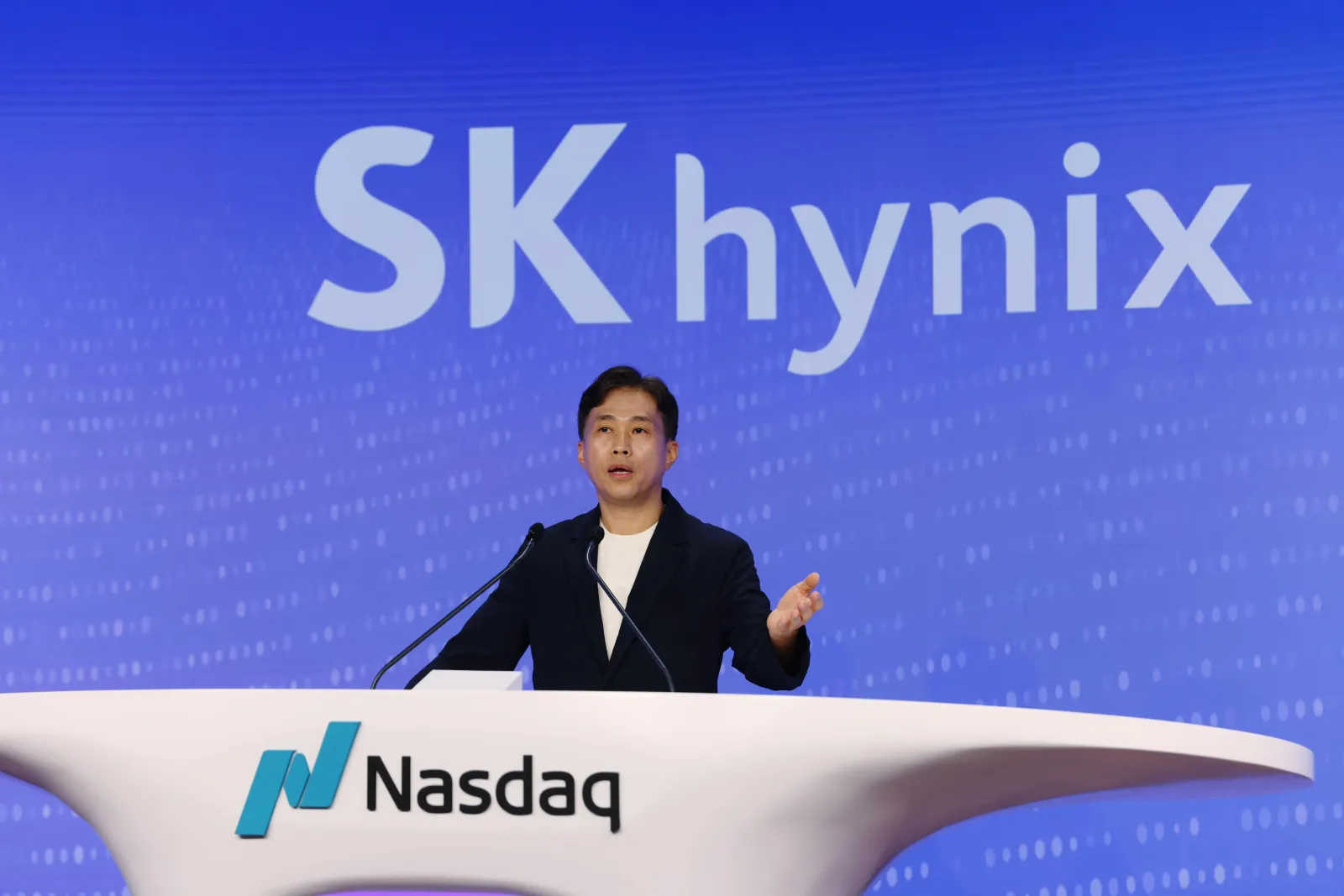
SK Hynix opens at $170, raises $26.5B, and tops foreign IPO records
In Friday's Wall Street debut, SK Hynix turns AI RAM demand into a $26.5B fundraising moment that rewrites comps.

China lands a reusable Long March booster, a first that matches SpaceX and Blue Origin
A barge landing and net-based recovery move China from theory to proof, reshaping the reusability race and satellite ambitions.

AstraZeneca $27B wipeout as Wainua late trial misses cardiovascular target
A failed late-stage heart study triggered a swift market punishment, forcing investors and boards to reset timelines and risk.