
Street Fighter 6 won’t change major system mechanics, Nakayama says at Evo 2026
Director Takayuki Nakayama says no major tweaks to system mechanics like the Drive system are planned right now.
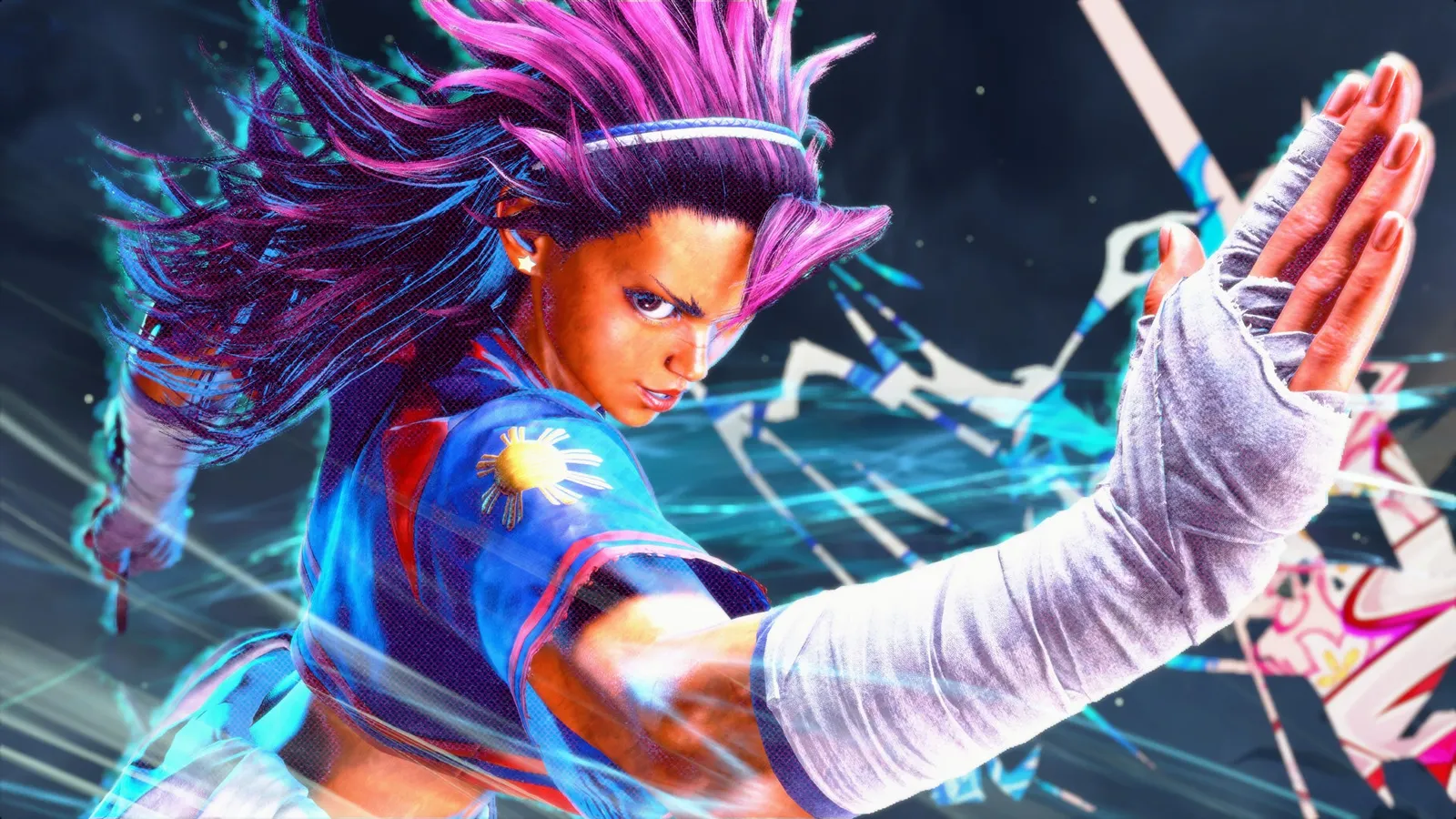
Street Fighter 6 Director Takayuki Nakayama and Producer Shuhei Matsumoto laid out current plans at Evo 2026, including a clarification on the game’s “10-year” messaging and comments on DLC and single-player content. For decision-makers watching live-service and community-driven balancing, the big signal is a deliberate freeze on major system-mechanics changes.
At Evo 2026, Street Fighter 6 Director Takayuki Nakayama said the team has “no plans to make any sort of changes” to major system mechanics, including the Drive system, as of now. That is the headline takeaway for competitive players and for anyone tracking how game publishers manage long-running live-service sandboxes: the developers are choosing stability over shakeups, at least for now.
Nakayama and Producer Shuhei Matsumoto also spent time correcting a common misunderstanding around the game’s future. Matsumoto said there may have been confusion that Street Fighter 6 has a fixed “10-year roadmap.” Instead, he clarified that the mindset going into development was to have Street Fighter 6 “operating and expanding for 10 years,” but there is “no sort of confirmation that this is going to be a 10-year project.” That distinction matters, because it changes how the community should interpret future investment and how teams can plan patch cadence, content pipelines, and resource allocation.
Here’s the practical context. Street Fighter 6 is now three years old, it is still drawing serious competitive attention, and this year’s Evo in Vegas reportedly had more than 2,000 entrants. At the same time, the developers are continuing to roll out content that keeps the ecosystem fresh. Nakayama referenced the upcoming fourth character pass, including the much anticipated fighting game debut of Tifa from Final Fantasy 7, alongside other new additions in that pack such as Yasmine. The online competitive scene remains lively, and single-player content remains a point of interest even though regular World Tour updates have ceased.
On single-player, the messaging is “bright, but constrained.” Nakayama said they wanted to continue expanding World Tour, but at the moment, “specific details” are difficult to share. He also framed the future as depending on what is and is not realistically within their control. The goal is to keep delivering in ways that can accommodate “new players” and the needs of a larger audience, even as some content pipelines are winding down.
That leads into one of the most operator-relevant sections: DLC and cadence. A question was raised about whether the frequency or offerings of DLC would change since World Tour is no longer being updated regularly. Nakayama’s answer was careful and systems-minded. He clarified that even if “bandwidth may be freed up,” it does not automatically translate into the team being able to transfer those resources into something completely different. The World Tour development required a “completely unique skill set,” and those skill sets “may not necessarily transfer over” to creating other kinds of content. The implication is straightforward: stopping one large program does not instantly create a plug-and-play surplus; it changes what you can build, not just how much you can build.
The team also discussed costume and presentation. They said they plan to deliver outfits and costumes in an “equal amount for all the existing characters,” with a “high quality benchmark” they are striving to achieve. This matters because it is another kind of live-service promise, one that is easier to execute consistently than system-mechanics changes but still affects player retention and community sentiment. New costumes can feel meaningful without destabilizing balance, which loops right back into Nakayama’s no-major-changes stance on systems.
Then came the part competitive players care about most: how new fighters might play, and whether this signals a design direction shift. Nakayama said Arjun, Bosch, and Tifa will “feel unique and different from the existing roster,” but he would not go into specifics beyond a few high-level gameplay traits. Arjun will include “some kind of dancing element” in his gameplay. Tifa will utilize some “Materia aspect” from the FFVII series, translated into Street Fighter 6 in a way that makes her different while still connected to the source material. Bosch, described as one of Luke’s disciples via World Tour, will have a completely different style from what players saw in World Tour.
Finally, the question that drives the title: if players are asking for changes to the Drive system, specifically Drive Rush, will Capcom respond? Nakayama said that as of the interview time, “there’s really no plans to make any sort of changes” to major adjustments to system mechanics, focusing directly on the Drive system. He also explained how feedback loops work. They do pay attention to social media comments, surveys, and similar signals, and they have a “pretty large Battle team” that analyzes requests and tests them through “several battles.” Matsumoto added that they also pay attention beyond pro tournaments, including casual tournaments like influencer events and “New Challengers Tournaments,” and they make decisions based on the “wide spectrum” of impact.
For decision-makers, the second-order takeaway is that Street Fighter 6’s development philosophy appears to prioritize risk management and predictable competitive integrity. If you are running a live game, balancing is expensive in more ways than one: system-mechanics changes can ripple through pro metagames, casual adoption, and even how tournaments are organized. Nakayama’s message suggests they may be listening, but they are not treating every request as an engineering imperative. The strategic stakes are clear: maintain trust with players by avoiding destabilizing revisions, while still using character and mode updates, plus costumes and single-player evolution, to keep the franchise expanding.
This story's Key Insights and Take-aways are locked.
Create a free account to unlock Executive Actions for one credit.
Register to UnlockAlways free for Executives Club members. Join the Club
More in Entertainment

Russell Brand's accuser 'bewildered and confused' as he denies 7 sex charges
The criminal case against the comedian is a live test of how media companies manage talent risk when serious allegations go public.

'It's a Magic Trick': Ballet Experts Say Rosalía's SNL Pose Is Impossible
Three ballet experts tell Rolling Stone Rosalía's gravity-defying SNL stillness shouldn't be possible - and why the debate is now part of the show.

Activision CMO: GTA 6 Will Boost Call of Duty, Not Bury It
Activision's top marketer says Rockstar's blockbuster will drive players back to consoles and into Modern Warfare 4, even as the company admits its recent strategy failed.