

StubHub faces class fraud suit over CEO Eric Baker’s disclosed ticket broker stake
A complaint says Baker’s Andro Capital stake was filed with regulators but not surfaced to buyers shopping on StubHub.

StubHub is facing a customer class action fraud lawsuit filed Monday (July 13) that targets CEO Eric Baker’s ownership stake in ticket reselling fund Andro Capital. The case tests whether “disclosed to regulators” is enough when a marketplace is marketed as “connects independent buyers and sellers.”
StubHub is fighting a class action customer fraud lawsuit that says CEO Eric Baker’s side role as managing partner of a ticket broker was disclosed to regulators, but not publicized to the people paying for tickets. The complaint, filed on Monday (July 13) and obtained by Billboard, argues that StubHub marketed itself as a “neutral marketplace,” while Baker’s financial interest allegedly aligned him with the resale operations that generate much of the platform’s inventory.
The heart of the allegation is straightforward. The lawsuit claims Baker has an ownership stake in ticket reselling fund Andro Capital, an involvement that StubHub disclosed in pre-IPO filings to the Securities and Exchange Commission (SEC) ahead of its $758 million initial public offering in September 2025. In those disclosures, StubHub said Baker’s fund has sold secondary-market tickets on the platform since 2008 and generated more than $5 million in proceeds since 2022. The plaintiff, Louis Sanquini, says that information was given to regulators but not brought to ordinary ticket buyers who were told they were dealing with a fan-to-fan marketplace.
To understand why this is suddenly a bigger deal than it might sound, you have to zoom out to how ticketing platforms are built. StubHub tells consumers they are buying and selling through a marketplace structure, which implies neutrality. The complaint challenges that framing by arguing that StubHub’s own leadership and affiliate relationships are tied into resale at scale. According to the regulatory disclosures and CBC News reporting referenced in the case, Andro Capital’s affiliate company, Colloquy Capital, also has a referral agreement in place with StubHub. The lawsuit alleges the result is an inventory supply chain where the company is both the platform and, through leadership and affiliates, a participant in the resale economics.
Sanquini’s complaint anchors this argument in the buyer experience. The plaintiff says he logged onto StubHub in 2023 to buy tickets for a Kiss show at Madison Square Garden and in 2024 to buy tickets for a New York Red Bulls soccer game. The filing claims that buyers purchased tickets believing they were buying from individual fans through a neutral marketplace, while, in the plaintiff’s view, StubHub helps finance large-scale resale operations that supply much of the platform’s inventory. The complaint also uses the alleged mismatch between marketing and disclosure to support its fraud theory: “Defendants' failure to disclose this conflict of interest, while affirmatively marketing StubHub as a fan-to-fan marketplace, deceived plaintiff.”
The suit seeks to represent a nationwide class of fans who bought tickets without understanding Baker’s financial stake. It also seeks financial damages for alleged fraud, unjust enrichment, and violations of consumer protection law. Sanquini’s lawyer, Keven Steinberg, said in a statement Monday that the case is “about transparency and consumer trust.” Steinberg added that if companies make representations to the public, “consumers are entitled to expect that those representations are complete and accurate,” and that consumers deserve honesty and transparency on platforms marketed as “neutral marketplaces.” StubHub declined to comment on the matter on Monday.
There is also an obvious regulatory and capital-markets angle here, because the disclosure that sparked the reputational fight already exists in filings. In a statement to CBC for Friday’s story, a company spokesperson said Baker's ownership in and involvement with Andro Capital “has been fully disclosed in StubHub's public SEC filings.” That matters because StubHub went public on the New York Stock Exchange in September 2025 at $23.50 per share, and the stock price has since declined. Investors have sued StubHub separately over allegations that it concealed cash flow issues ahead of the IPO. StubHub denies those claims and says its regulatory materials “contained detailed disclosures” addressing the intricacies of its business.
Put differently: this lawsuit is not just about whether a conflict exists. It’s about what “disclosure” means in practice. Regulators may read filings differently than consumers interpret websites. An SEC disclosure can satisfy a legal record-keeping requirement, while a consumer-facing marketing message may still be alleged as misleading. That tension is exactly what the complaint is trying to litigate: that the platform’s public narrative could be incomplete if the company believes the filing alone tells the story.
For executives and boards, the second-order implication is bigger than one CEO’s personal investment. Public-company ticketing platforms, marketplaces, and any consumer platform with liquidity supplied by affiliates all face the same risk: the incentives that keep inventory flowing can also create the appearance of neutrality problems. If a platform markets itself as connecting independent buyers and sellers, then leadership or affiliate ties can become an alleged fraud vector even when disclosed to regulators. The strategic stake is clear: how you communicate conflicts to consumers can become just as consequential as how you document them for regulators, especially after an IPO that already puts the company under a brighter spotlight.
This story's Key Insights and Take-aways are locked.
Create a free account to unlock Executive Actions for one credit.
Register to UnlockAlways free for Executives Club members. Join the Club
More in Business
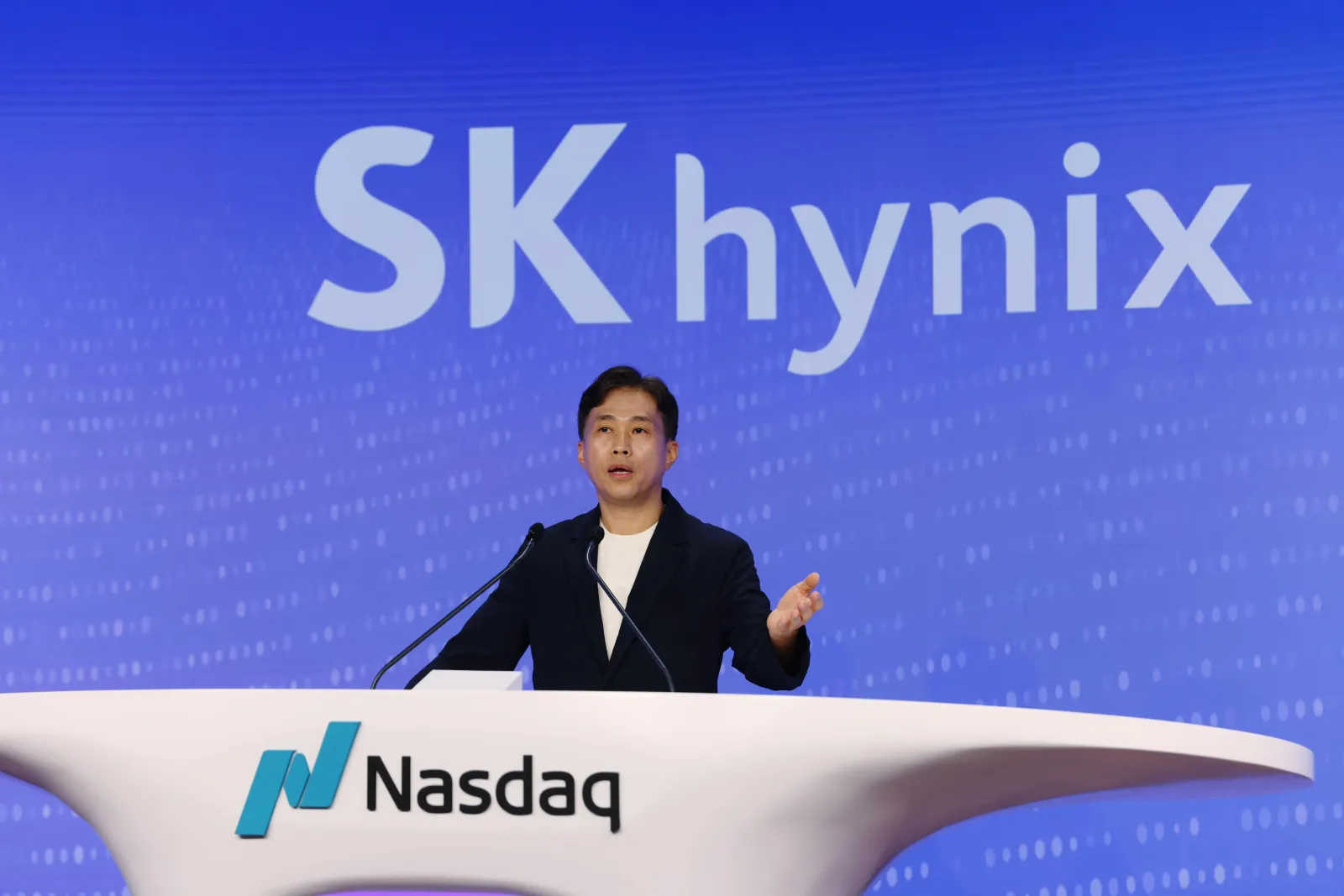
SK Hynix opens at $170, raises $26.5B, and tops foreign IPO records
In Friday's Wall Street debut, SK Hynix turns AI RAM demand into a $26.5B fundraising moment that rewrites comps.

China lands a reusable Long March booster, a first that matches SpaceX and Blue Origin
A barge landing and net-based recovery move China from theory to proof, reshaping the reusability race and satellite ambitions.

AstraZeneca $27B wipeout as Wainua late trial misses cardiovascular target
A failed late-stage heart study triggered a swift market punishment, forcing investors and boards to reset timelines and risk.