

Sudan’s drone strikes hit el-Obeid classrooms, deepening a fear-based school shutdown
In el-Obeid, children stay home as drones attack civilian infrastructure, and aid groups warn the crisis is worsening.
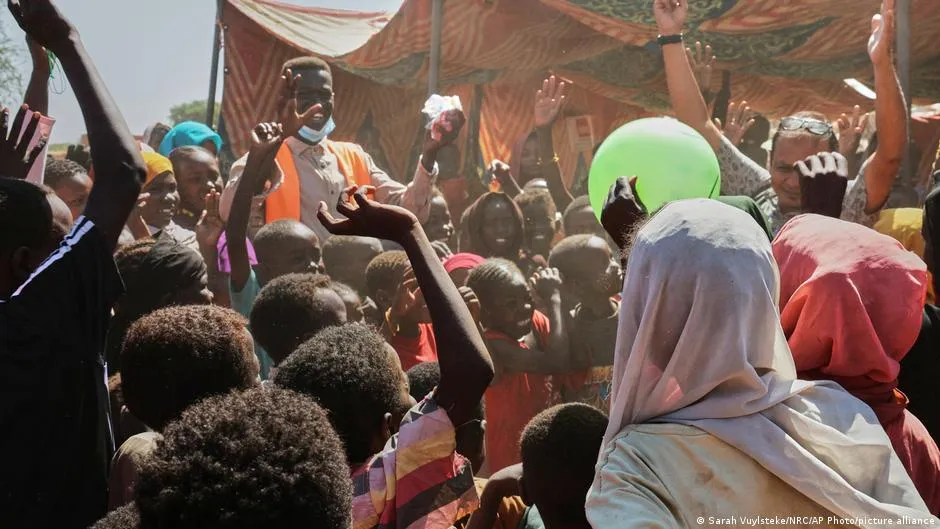
In Sudan's besieged city of el-Obeid, children are afraid to go to school after drone attacks hit civilian infrastructure. Aid groups warn this is driving a worsening humanitarian crisis, with consequences that extend beyond education.
Drone strikes turning classrooms into battle zones is not an abstract tragedy. In Sudan's besieged city of el-Obeid, children are afraid to go to school as drone attacks hit civilian infrastructure. The immediate effect is simple and brutal: education stops where the kids need it most, and normal life collapses into triage.
This is happening in a place already under siege, which matters because it removes the usual safety valves. When a city is besieged, there is less space to relocate, less capacity to protect critical services, and less time for routines to recover. So when drones strike civilian infrastructure, the harm is not limited to the point of impact. It cascades into daily decision-making for families, teachers, and local aid operations. Children in el-Obeid are afraid to go to school, and once fear becomes the default, the shutdown can become self-reinforcing.
Aid groups warn of a worsening humanitarian crisis. That warning is important for decision-makers because humanitarian crises do not just intensify suffering, they also strain the systems that respond. Schools are not only places of learning. They often function as community nodes where children can be reached for basic services, where caregivers can access information, and where aid logistics sometimes piggyback on existing routes. When drone attacks reduce school attendance, it becomes harder to track needs, deliver assistance, and maintain continuity for vulnerable populations.
From a risk-management perspective, the pattern described here reflects a broader reality in modern conflicts: civilian infrastructure can become both target and signal. Even when intent is disputed, the operational outcome is consistent. Attacks on civilian infrastructure change behavior. People avoid exposed spaces. Families shift spending away from education. Local authorities and NGOs have to reroute resources toward protection and response, which can drain the capacity for longer-term recovery.
There is also a regulatory and governance angle, even though the source does not name specific agencies or rules. In conflict settings, the lines between military necessity and civilian harm are central to international humanitarian law, and drone warfare increases the complexity of attribution and accountability because strikes can occur rapidly and remotely. For executives in humanitarian, logistics, and technology-adjacent sectors, this raises a familiar governance question: how do you operate responsibly when the operating environment actively punishes normal civilian activity?
Second-order implications follow for anyone funding, insuring, or building platforms tied to relief delivery. If education is disrupted in el-Obeid, the shock can spread through communities. Lost school time can translate into longer-term impacts on health, economic participation, and resilience. Meanwhile, escalating fear can complicate verification and monitoring. Aid groups may struggle to reach children and caregivers reliably if movement to schools becomes unsafe.
For boards and senior leaders watching the humanitarian footprint of conflict, the strategic stake is that the crisis is not waiting. It is worsening. When children stop going to school because drone attacks hit civilian infrastructure, it is a leading indicator of broader deterioration. That should inform how organizations prioritize safeguards, community engagement, and contingency planning. The question is not only whether assistance can be delivered today, but whether delivery models still work as fear hardens and civilian infrastructure becomes increasingly unsafe.
This story's Key Insights and Take-aways are locked.
Create a free account to unlock Executive Actions for one credit.
Register to UnlockAlways free for Executives Club members. Join the Club
More in Politics
Shaheen and Murkowski press Rubio to unlock family planning aid in Congo Ebola
A bipartisan letter urges the Trump administration to release women-focused family planning funding and supplies during DRC’s Ebola outbreak.

Amazon got $600M Trump tariff refund, promises customer returns
The Supreme Court tariff ruling is now pushing refunds onto balance sheets and, potentially, into customers' pockets.

Trump backs away from Ukraine Patriot missile deal as Kyiv warns of interceptor shortages
Ukraine says it is running out of Patriot interceptors, putting missile defense and regional risk pricing back on the table.