
Supreme Court strikes down Watergate-era limits on political party spending
The Court dismantled a post-Watergate cap on what individuals can give parties, reshaping how money flows into elections.
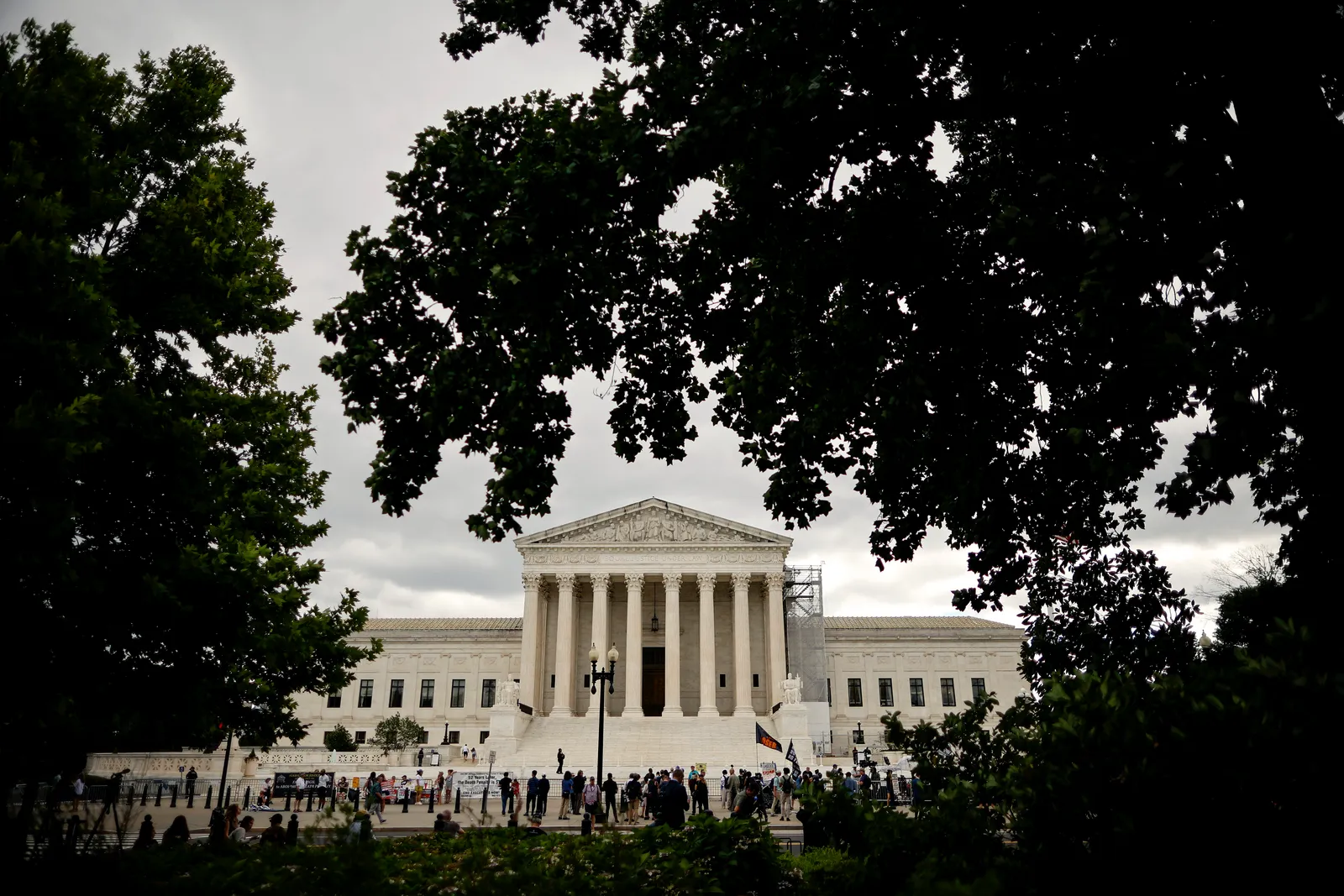
The Supreme Court struck down limits created by a post-Watergate law that Congress passed to restrict how much money individuals can give to political parties. For decision-makers, the ruling changes the fundraising rules that shape party operations and influence over elections.
The Supreme Court struck down limits on political party spending tied to a post-Watergate law Congress passed to limit how much money individuals can give to political parties. In plain English: the Court rejected the idea that the federal government can cap individual contributions to party organizations under this post-Watergate framework.
That matters because it directly affects the size and speed of money moving into party hands. Parties are not just megaphones for campaigns. They help set the agenda, fund coordination, and build the bench of political activity that shows up across election cycles. If individuals can give more, parties can scale their political operations. If caps fall, fundraising strategies shift fast.
To understand why this is such a big deal, you have to zoom out to the original purpose of the Watergate-era reforms. Watergate was a defining political scandal, and Congress responded with laws intended to address perceived corruption and the influence of money on politics. One key target was preventing individuals from funneling unlimited funds into party coffers, at least in theory reducing opportunities for undue sway.
After Watergate, that logic became a recurring regulatory theme: some forms of money in politics are treated differently depending on who is being funded and what level of election or political process is supported. Party committees sit at a distinct junction in the ecosystem. They often serve as hubs for resources that support multiple candidates, coordinate broader party efforts, and maintain infrastructure between election seasons. That is one reason contribution limits can become politically consequential. The limits do not just change totals, they also change organizational power.
Markets and boards might seem far from Supreme Court case law, but the underlying incentives are familiar. Rules that cap inflows act like constraints in any system: they limit throughput, they force organizations to optimize within boundaries, and they can tilt fundraising toward permitted channels. When those constraints are removed, parties gain a lever to increase operational capacity. That can include staffing, communications, and the intensity of activity during critical stretches leading into votes.
There is also the second-order effect on strategy. When contribution limits tighten, campaigns and parties typically diversify their sources and prioritize what remains permissible. When caps get struck down, the strategy often reverses. Major donors become even more central. Party leadership can lean more heavily on high-capacity fundraising, potentially compressing the time needed to reach budgets that previously required building a broader base under the old rules.
For executives and investors who follow governance, a related theme is how institutions respond to regulatory change. Courts do not run organizations, but their decisions do. Once legal ceilings disappear, party decision-makers must adapt their compliance models, risk posture, and donor management processes. Even if an organization already has sophisticated legal teams, removing limits changes the practical meaning of compliance: what was previously “too much” becomes newly feasible. That can trigger internal rewrites of fundraising playbooks and documentation workflows.
The stakes are not just theoretical. A ruling like this can reshape the competitive dynamics among parties and between parties and outside groups. Parties that can raise more efficiently may be better positioned to reserve resources for late-cycle moves, respond quickly to opponent messaging, and invest in sustained voter outreach. And because parties influence more than a single contest, changes to party spending and contribution rules can echo across multiple election cycles.
In the end, this case is about the rules Congress set after Watergate and the Supreme Court’s decision to strike down those limits on political party spending by limiting how much money individuals can give. That combination of a historic regulatory rationale and a modern judicial reversal is exactly the kind of shift that forces leadership teams to rethink assumptions. If you are running a political-adjacent operation, sitting on a board that oversees public affairs, or tracking how policy changes alter incentives in the real world, the immediate takeaway is straightforward: party fundraising mechanics just changed at the federal level, and the organizations that adjust fastest will likely have the advantage in the next budget fight.
This story's Key Insights and Take-aways are locked.
Create a free account to unlock Executive Actions for one credit.
Register to UnlockAlways free for Executives Club members. Join the Club
More in Politics

Obama Defends Ilhan Omar After Agents Search Her Home in Trump Inquiry
The former president's intervention raises the stakes in a federal probe into immigration paperwork that has put a prominent progressive lawmaker in the crosshairs.

Blair-era minister: cut welfare to fund youth job support
Alan Milburn's call for welfare cuts to fund employment support opens a Labour fight over benefits and the Neet crisis.
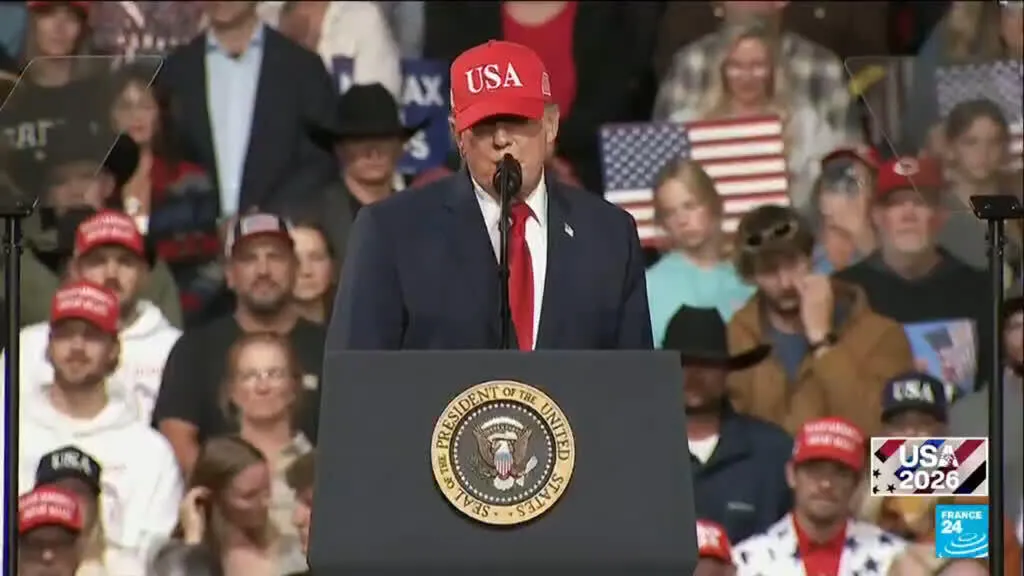
Hot September CPI: energy costs surge, voters feel the squeeze before midterms
The latest inflation print lands as Trump campaigns for GOP control of Congress, putting cost-of-living worries at the center of the midterm fight.