
Vance calls Supreme Court birthright ruling a “major mistake”
The vice president praises respect for the decision, then attacks it as a policy and political lightning rod.

Vice President Vance said Tuesday that the Supreme Court’s decision upholding birthright citizenship was a “major, major mistake,” while also saying the administration respects the ruling. For decision-makers, the immediate consequence is renewed pressure on lawmakers and agencies to manage the compliance and political fallout of birthright citizenship.
Vice President Vance said Tuesday that the Supreme Court ruling upholding birthright citizenship was a “major mistake,” adding, “This was a very disappointing ruling from the Supreme Court. We respect it, but we also think that it was a major, major mistake.” The key point is the framing: he is not ignoring the Court, but he is signaling that the administration and its allies will treat the decision as politically and policy consequential.
When Vance tells the public the ruling is a “major, major mistake,” he is doing more than venting. He is telling stakeholders, from lawmakers to advocates, that the administration will likely push back through legislation, messaging, and implementation priorities rather than accepting the ruling as the end of the story. The phrase “We respect it” matters too. It acknowledges the legal authority of the Supreme Court, but it also draws a bright line between respecting the Court’s decision and accepting it as good public policy.
To understand why this matters beyond rhetoric, it helps to know how birthright citizenship disputes tend to function in the U.S. political system. The Supreme Court ruling upholding birthright citizenship sets a legal baseline for how citizenship status is determined. But citizenship rules are not just abstract constitutional theory. They show up in paperwork, agency processes, and the way other institutions plan for the long run, including schools, state and local services, and immigration enforcement priorities that must operate within federal constitutional boundaries.
That creates a familiar tension for any administration. On one hand, the government must operate within Supreme Court authority. On the other hand, political leaders often see court outcomes as signals about what voters will tolerate and what Congress might pursue next. Vance’s choice to call the ruling “very disappointing” while still saying “We respect it” fits that pattern. It keeps the administration within the legal lines while still treating the ruling as an opening for continued advocacy.
The Hill’s report also indicates that Vance suggested the decision “might invite” certain outcomes, with the quote cut off in the excerpt. Even without the rest of the sentence, the structure is telling. He is implying that the Court’s approach will change behavior, or at least invite new claims and political reactions. That is the kind of second-order effect immigration policy always carries: even when a rule is fixed legally, the incentives around it can shift across households, advocates, and lawmakers.
For decision-makers, there is a practical takeaway: court rulings can settle legal questions, but they do not freeze politics. After a Supreme Court decision, the policy debate often moves to implementation and to what lawmakers can change going forward. Agencies and departments typically have to translate the ruling into operational guidance. Legislators, meanwhile, can try to legislate within constitutional constraints or pursue broader immigration reforms that affect adjacent categories, processing, and enforcement. In other words, the “end” of a Supreme Court case often becomes the “start” of an implementation and political strategy phase.
There is also a messaging dimension. Vance’s words are designed to reach a specific audience that wants the administration to oppose birthright citizenship as a matter of principle. By calling the ruling a “major mistake,” he gives supporters language that can be used in hearings, campaign ads, and advocacy. That kind of coherence can strengthen negotiating leverage with lawmakers. It can also harden opposition, since opponents will treat the administration’s critique as proof that they need to defend the Court and the constitutional baseline in public.
Finally, the strategic stakes for peers in government and corporate-adjacent policy work are clear. When a senior official publicly criticizes a Supreme Court decision, it increases the likelihood that Congress will revisit related issues, that compliance questions will spike, and that uncertainty will persist even after a legal decision. Whether you lead an agency, advise boards on risk, or operate in sectors influenced by immigration policy, the lesson is the same: legal outcomes and political responses move in parallel, not in sequence. Vance is respecting the ruling. He is also trying to ensure the country does not treat it as the final word.
This story's Key Insights and Take-aways are locked.
Create a free account to unlock Executive Actions for one credit.
Register to UnlockAlways free for Executives Club members. Join the Club
More in Politics
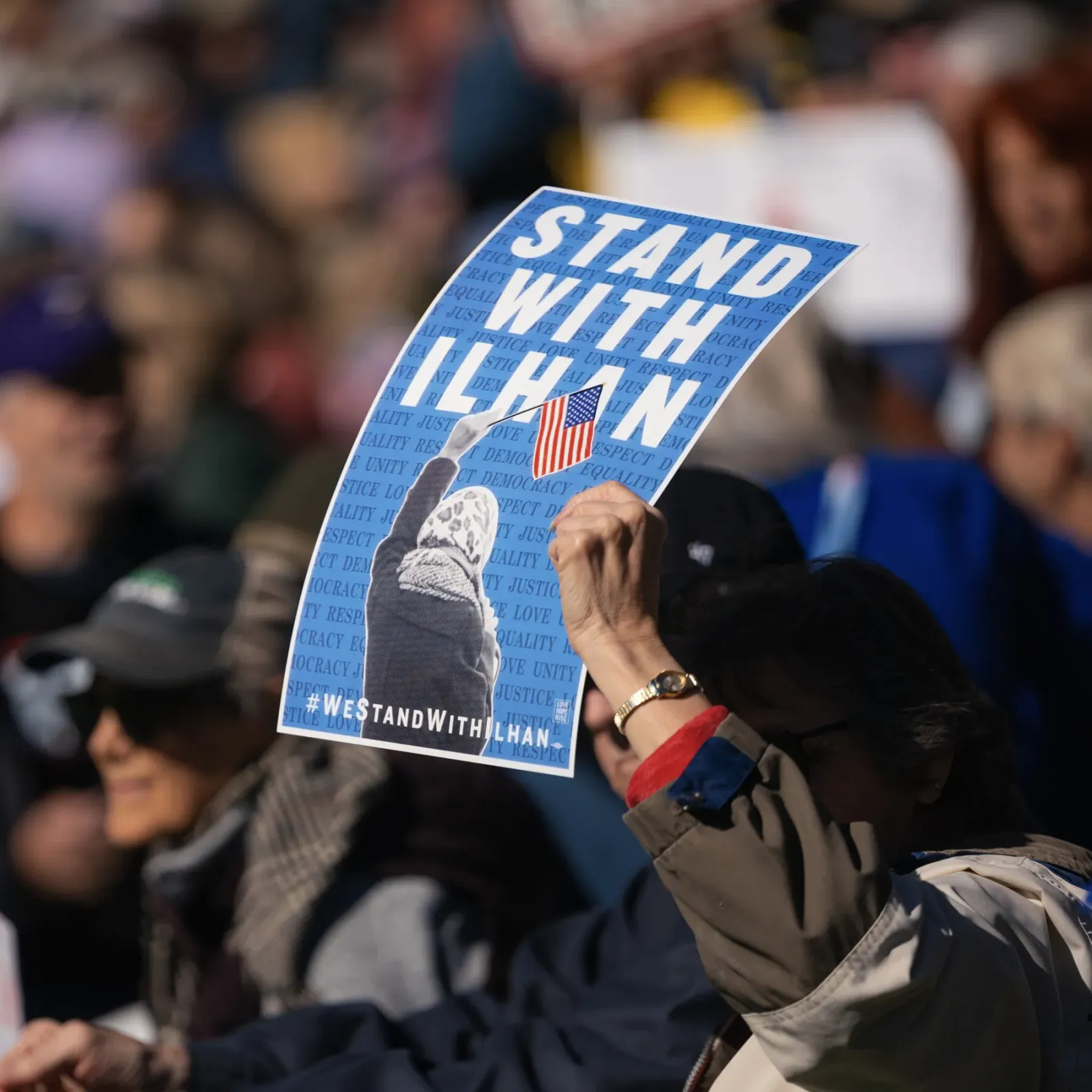
Obama Defends Ilhan Omar After Agents Search Her Home in Trump Inquiry
The former president's intervention raises the stakes in a federal probe into immigration paperwork that has put a prominent progressive lawmaker in the crosshairs.

Blair-era minister: cut welfare to fund youth job support
Alan Milburn's call for welfare cuts to fund employment support opens a Labour fight over benefits and the Neet crisis.
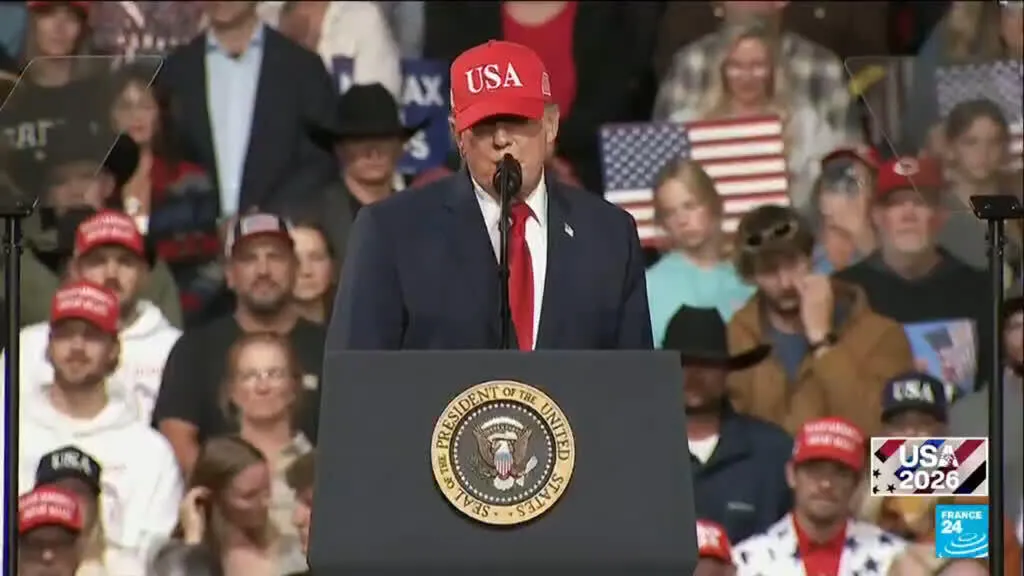
Hot September CPI: energy costs surge, voters feel the squeeze before midterms
The latest inflation print lands as Trump campaigns for GOP control of Congress, putting cost-of-living worries at the center of the midterm fight.