
Susan Collins backed Brett Kavanaugh. Now her abortion-rights voters bring the receipts.
A pro-choice senator endorsed a nominee who helped reshape abortion law. Her reelection campaign now has to answer why.
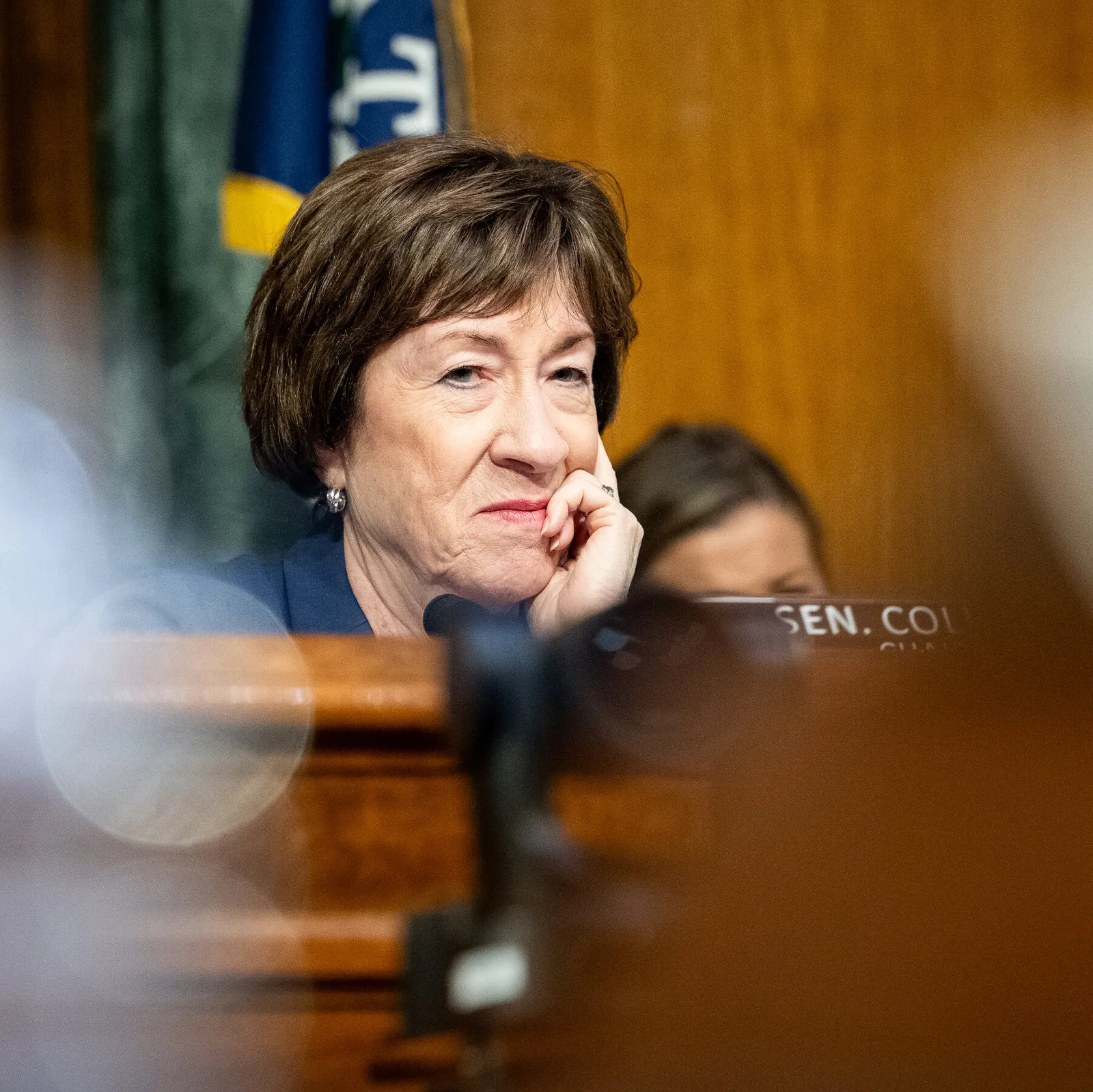
Senator Susan Collins, a senator who supports abortion rights, endorsed Brett Kavanaugh’s nomination to the Supreme Court. That choice has resurfaced as a major issue in her campaign for re-election.
Senator Susan Collins supports abortion rights, but she endorsed Brett Kavanaugh’s nomination to the Supreme Court. Now, that vote is haunting her in the race for re-election, because voters and opponents are treating it as a high-signal test of her stated position.
The core tension is simple and politically explosive: Collins backed a path that led to the kind of Supreme Court decision-making her abortion-rights views are meant to counter. The backlash is not abstract. It has emerged as a major issue in her campaign for re-election, turning an earlier endorsement into a present-day accountability question.
To understand why this kind of event turns into campaign gasoline, it helps to remember how Supreme Court nominations work in practice. The Senate confirmation process is not just a procedural step. It is a transfer of long-term policymaking power to a lifetime institution. Once a justice is confirmed, the legal effects can last far beyond a single election cycle. So when voters believe a senator’s endorsement enabled outcomes that clash with their public values, they often treat it as a breach of trust, not a technical compromise.
Collins is positioned in a particularly exposed spot because her brand has long been tied to abortion rights. When the senator who supports abortion rights endorses a nominee who becomes part of a court reshaping abortion-related law, the story stops being about coalition-building and becomes about consistency. In campaign terms, that means the opposition can anchor attack messaging on one factual hinge: Collins voted for a justice whose rulings have impacted Roe. Even if a candidate argues that confirmation decisions are complicated, the electorate still wants a plain-English answer: did the senator’s endorsement match the senator’s stated principles?
That is why this issue is showing up prominently during a re-election effort. Campaigns rarely wait for voters to connect the dots on their own. Political operatives compress nuance into slogans, and they look for the kind of moment that can be summarized in a sentence. This one summarizes itself. Collins endorsed Brett Kavanaugh’s nomination, and the result is that her abortion-rights stance gets forced to coexist with Supreme Court outcomes she cannot undo.
There is also a second-order governance angle that matters even beyond the immediate political theater. Supreme Court composition affects the operating environment for regulators, litigants, and industries because court rulings can change the boundaries of regulatory authority and the interpretation of constitutional and statutory questions. When the court shifts, agency rulemaking can become more difficult, more targeted, or more likely to be tied up in litigation. In other words, what looks like a culture-war vote can behave like a policy lever with economic spillovers.
For executives, boards, and investors watching from the business side, this kind of nomination politics signals how regulatory uncertainty can spike. Even when a company is not directly in the abortion debate, it may be affected by legal frameworks that cascade through healthcare, labor, and compliance expectations. And once a court has shifted, the dispute calendar changes. That can raise the cost of operating in contested legal zones, which is one reason companies tend to pay attention to who controls the confirmation pen.
But for Collins specifically, the strategic stakes are immediate. A pro-choice voter base wants alignment. A mixed-issue coalition wants predictability. If voters conclude that Collins’s endorsement of Kavanaugh created outcomes that conflict with her abortion-rights identity, they may withdraw support or turn out at higher rates to punish perceived inconsistency. That is the political equivalent of a balance sheet discrepancy: even a small difference in story can become a big difference in trust.
This is why the issue is gaining traction now rather than staying in the past. The campaign creates an incentive for opponents to reframe earlier decisions as evidence of current character, while the candidate faces the challenge of explaining how the endorsement fits with the senator’s abortion-rights commitments. In tightly contested elections, narratives like this do not just shape headlines. They can shape turnout, fundraising, and endorsements, which is ultimately how re-election bids are won or lost.
For peers in similar roles, the lesson is blunt. When you hold power over institution-changing decisions, the political cost of that power can come due quickly. Susan Collins endorsed a Supreme Court nomination, and the consequences of that endorsement are now being used as a live political issue in her campaign for re-election, turning a past confirmation into a present test.
This story's Key Insights and Take-aways are locked.
Create a free account to unlock Executive Actions for one credit.
Register to UnlockAlways free for Executives Club members. Join the Club
More in Politics
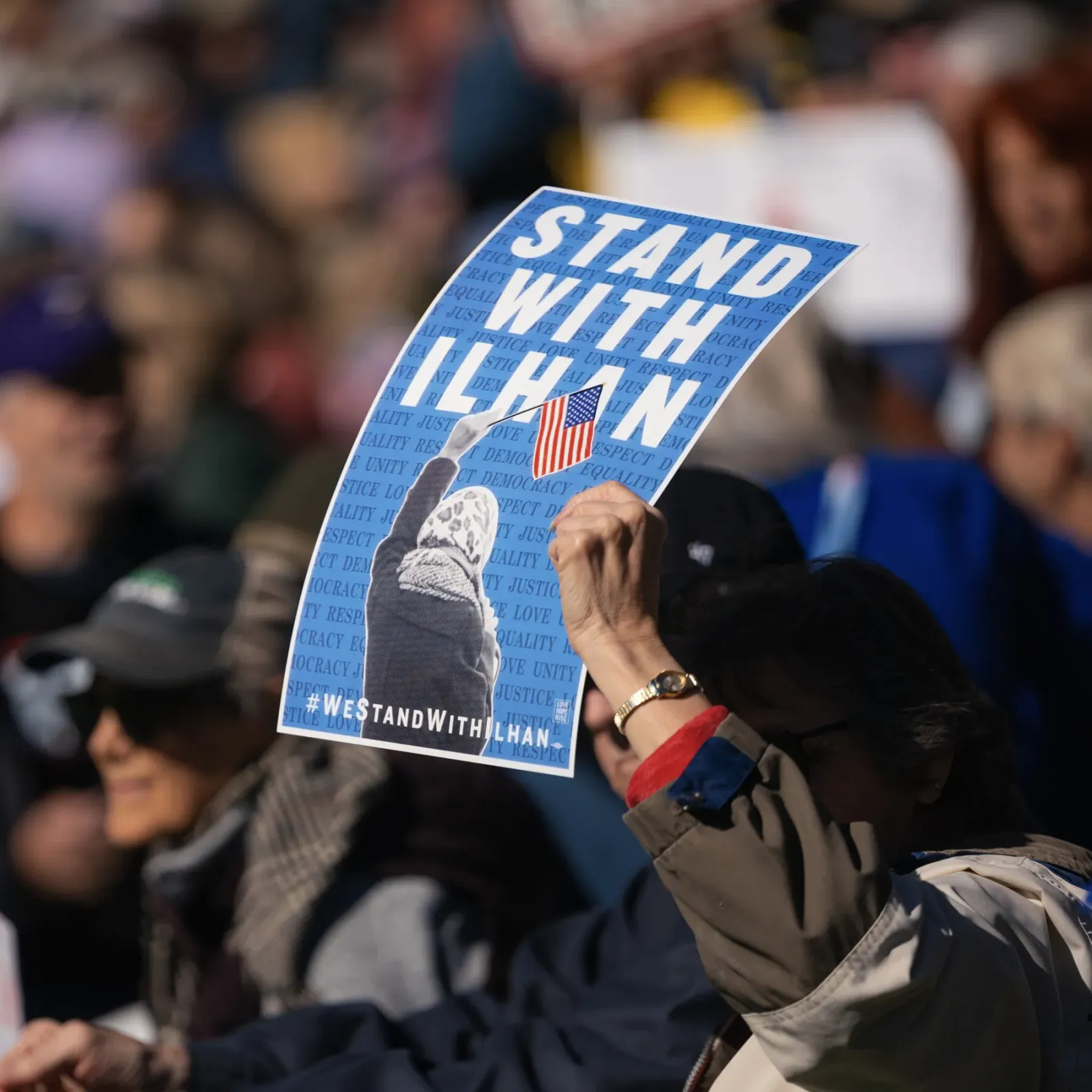
Obama Defends Ilhan Omar After Agents Search Her Home in Trump Inquiry
The former president's intervention raises the stakes in a federal probe into immigration paperwork that has put a prominent progressive lawmaker in the crosshairs.

Blair-era minister: cut welfare to fund youth job support
Alan Milburn's call for welfare cuts to fund employment support opens a Labour fight over benefits and the Neet crisis.
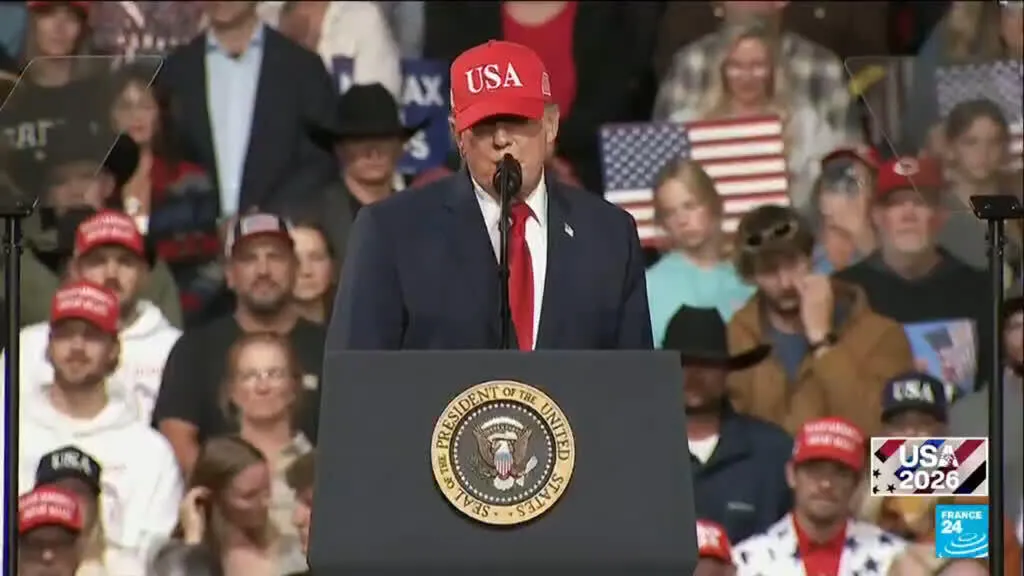
Hot September CPI: energy costs surge, voters feel the squeeze before midterms
The latest inflation print lands as Trump campaigns for GOP control of Congress, putting cost-of-living worries at the center of the midterm fight.