

Syria arrests Ali Kayali, main suspect in 2013 Baniyas massacre that killed 459
Syria's arrest of Ali Kayali, accused of the 2013 Baniyas massacre that killed 459, signals a broader reckoning for former Assad loyalists.
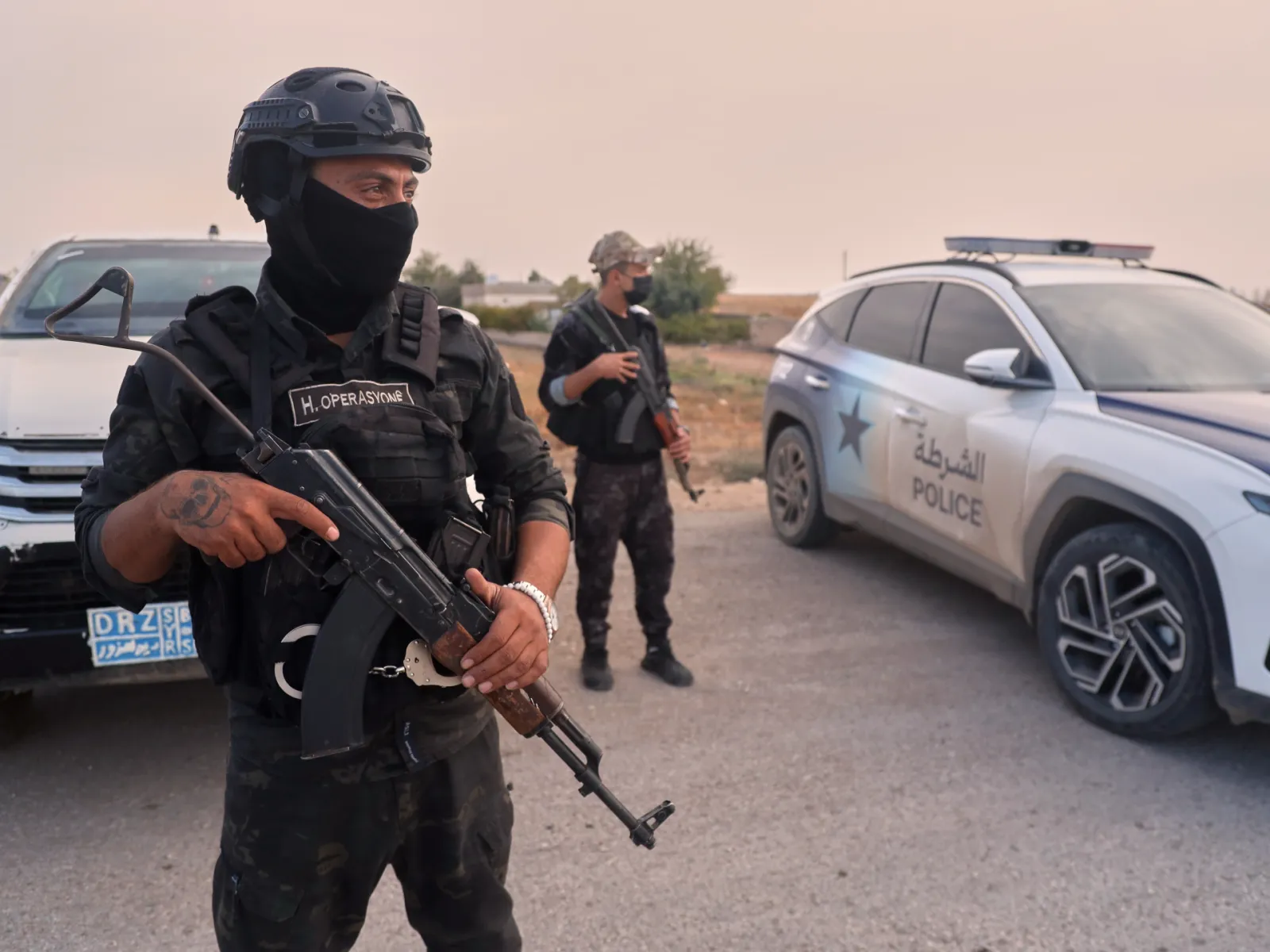
Syrian intelligence officials arrested Ali Kayali, also known as Mihrac Ural, as he tried to cross the border, state media reported. The arrest underscores the new government's intensified effort to capture former regime officials and militia commanders accused of crimes against civilians, a process that could shape Syria's post-war order.
Syrian intelligence officials arrested Ali Kayali, also known as Mihrac Ural, as he attempted to flee across the border, state news agency SANA reported Thursday. Kayali is the main suspect in the 2013 Baniyas mass killings, which left at least 459 civilians dead across two villages in western Syria. SANA did not specify which country he was trying to reach, but the arrest marks one of the highest-profile captures of a former regime militia commander since the fall of Bashar al-Assad.
The toll breaks down to at least 264 civilians, including 36 children and 28 women, killed in the village of Bayda, and 195 people, including 56 children, killed in Ras al-Nabaa, according to figures from the Syrian Network for Human Rights quoted by SANA. Human Rights Watch called the killings 'one of the deadliest instances of mass executions in Syria's increasingly bloody conflict.' The massacres are often cited as a turning point in the war's sectarian trajectory.
Kayali, born Mihrac Ural in 1956 in Hatay, Turkey, fled to Syria in 1982. At the time of the massacre, he led an armed group loyal to then-President Bashar al-Assad. Militias affiliated with him are also accused of committing massacres in the Latakia, Aleppo, and Idlib countrysides, leaving hundreds dead or wounded. SANA said he is married to Malak al-Fadel from the country's Alawite community, a religious minority to which al-Assad belongs, underscoring the sectarian dynamics that fueled the conflict.
The Baniyas killings are often seen as a starting point of the sectarian shift in Syria's civil war, which began with pro-democracy protests in 2011 and quickly morphed into a complex armed conflict drawing in paramilitary forces, armed groups, and foreign powers. In a multiconfessional country, the war took on a sectarian nature, and the massacres in Baniyas and Bayda became a symbol of that turn. The victims were mostly Sunni civilians, while the perpetrators were aligned with the Alawite-led regime.
The arrest comes as Syria's new authorities, which ousted al-Assad in a lightning offensive in 2024, intensify efforts to capture former regime officials and militia commanders accused of crimes against civilians. Earlier this month, Kayali's deputy Jamal Tarabulsi was arrested by Syrian security forces. The crackdown signals a broader reckoning for the old regime's enforcers, as the new government seeks to establish legitimacy and address the grievances of communities that suffered under Assad's rule.
Kayali is also the main suspect in the 2013 twin bombings in the Turkish border town of Reyhanli, which killed at least 52 people, according to Turkey's state-run Anadolu agency. That connection adds an international dimension to his arrest, with potential implications for Turkey-Syria relations. Turkey has been a key player in the Syrian conflict, and the Reyhanli bombings remain a sensitive issue in Turkish domestic politics.
For decision-makers watching Syria, the arrest is a test of the new government's commitment to accountability after decades of impunity. The pursuit of figures like Kayali could help legitimize the new order, but it also risks reopening old wounds in a country still grappling with the legacy of a brutal war. The arrest demonstrates that former regime loyalists are not beyond reach, and it may encourage other victims to come forward with evidence of atrocities.
The case also highlights the practical challenges of transitional justice in a country where the judicial system was dismantled during the war. The new government will need to build credible legal processes to ensure that arrests like Kayali's lead to fair trials, rather than summary justice. For regional governments and international investors, the handling of this case will be a key indicator of whether Syria's post-Assad leadership can deliver the stability and rule of law needed for reconstruction.
This story's Key Insights and Take-aways are locked.
Create a free account to unlock Executive Actions for one credit.
Register to UnlockAlways free for Executives Club members. Join the Club
More in Politics
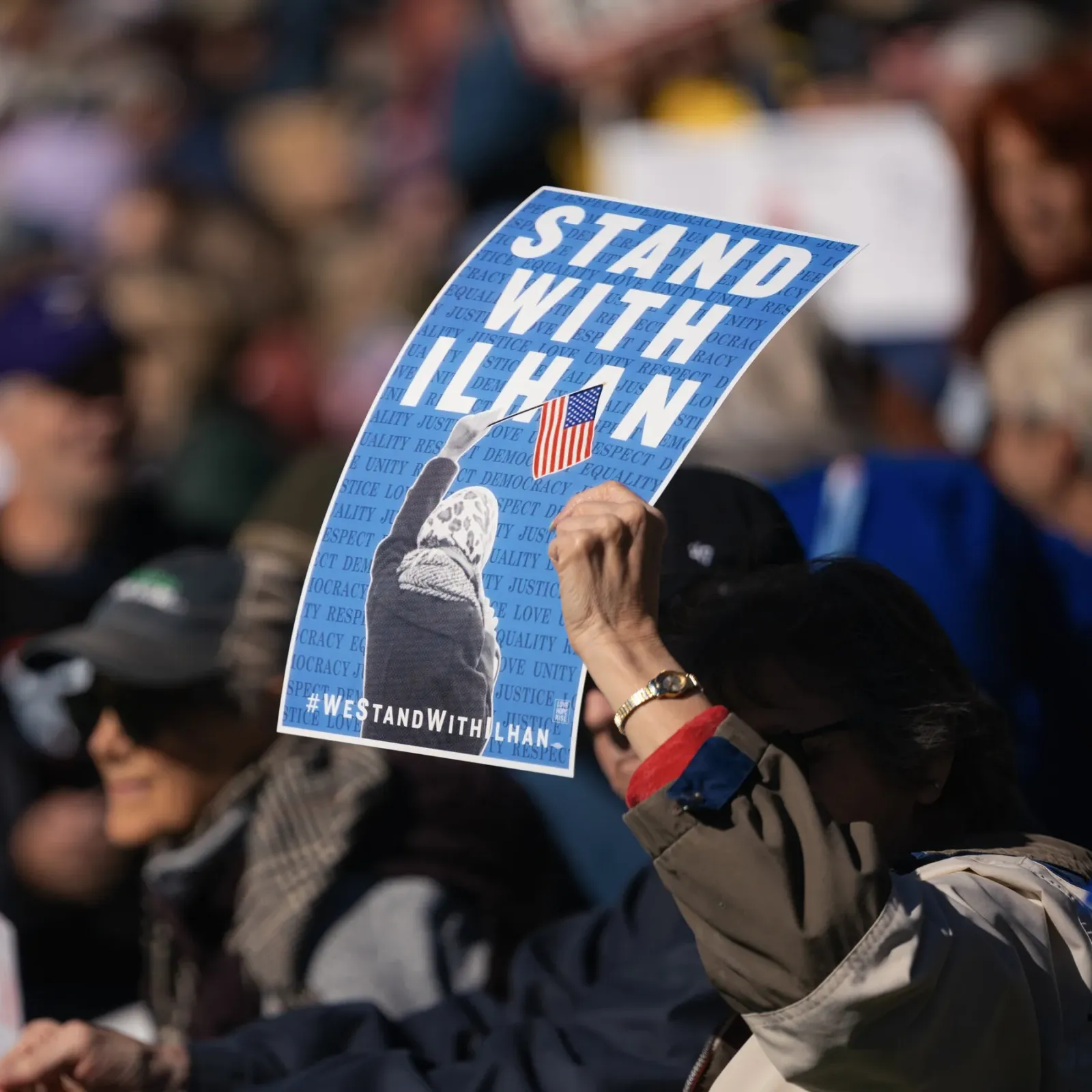
Obama Defends Ilhan Omar After Agents Search Her Home in Trump Inquiry
The former president's intervention raises the stakes in a federal probe into immigration paperwork that has put a prominent progressive lawmaker in the crosshairs.

Blair-era minister: cut welfare to fund youth job support
Alan Milburn's call for welfare cuts to fund employment support opens a Labour fight over benefits and the Neet crisis.

Hot September CPI: energy costs surge, voters feel the squeeze before midterms
The latest inflation print lands as Trump campaigns for GOP control of Congress, putting cost-of-living worries at the center of the midterm fight.