

Taco Bell pulls menu ingredients at CDC’s cyclosporiasis probe
The chain is going beyond CDC guidance, temporarily removing select produce-linked items as 31 states report cases.
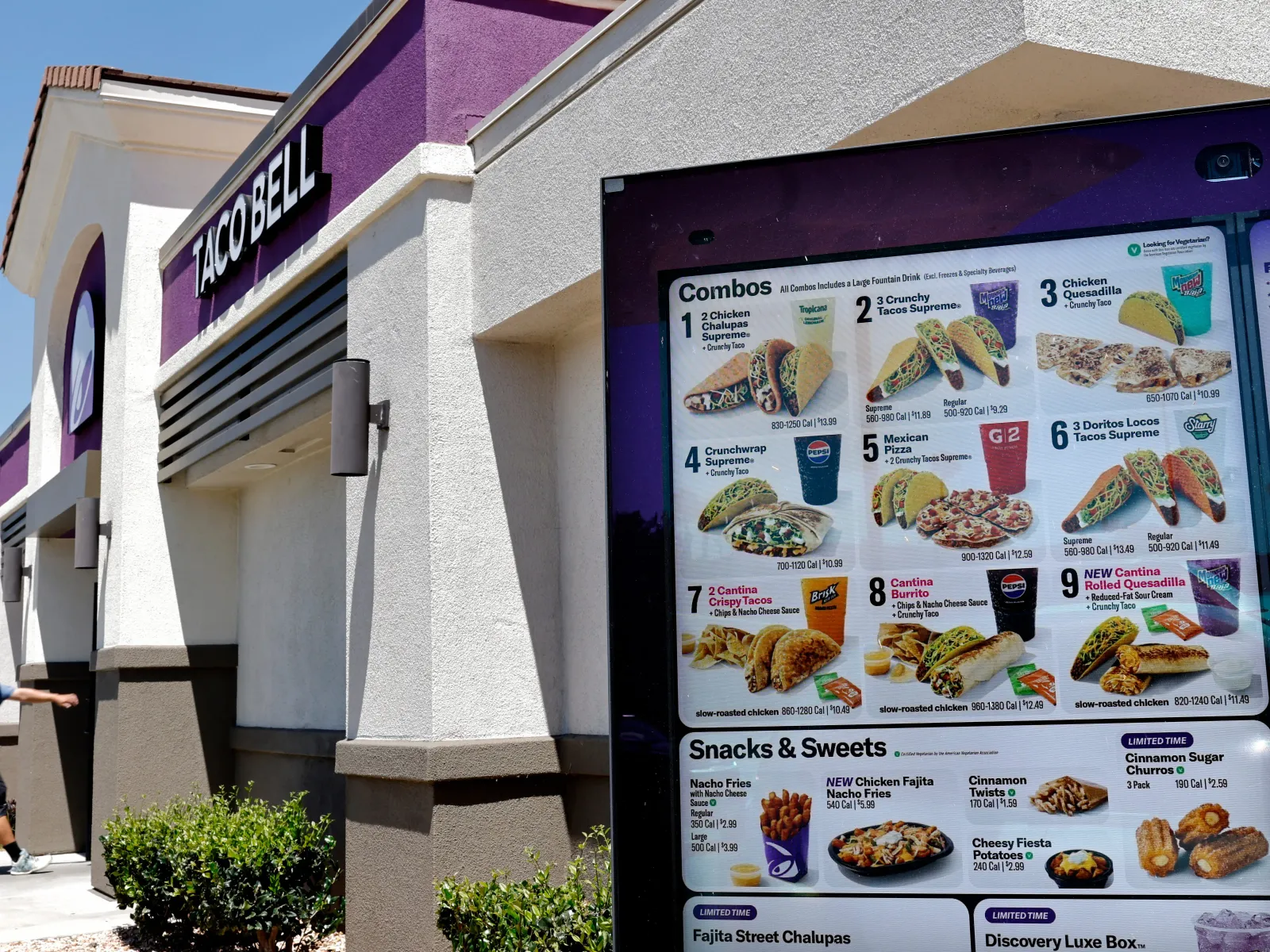
Taco Bell is “voluntarily and temporarily” removing certain ingredients from menus at select restaurants while the CDC investigates a multistate cyclosporiasis outbreak. For decision-makers, the move signals how fast food brands may shift risk controls before regulators can confirm a source.
Taco Bell has “voluntarily and temporarily” removed certain menu ingredients at select restaurants while the CDC investigates a multistate cyclosporiasis outbreak. The company says the steps are precautionary, even though health officials have not confirmed any link between the parasite, Taco Bell, or any specific ingredient, supplier, restaurant, or retailer.
Why this matters right now: since May 1, cases have been reported in 31 states, and public health officials suspect contaminated fresh produce, particularly leafy greens and herbs, as the driver. Taco Bell is responding as if the timeline could change overnight, taking a more aggressive approach than current CDC guidance on how to prevent cyclospora from contaminated produce.
Here’s the practical difference. The CDC guidance advises consumers to thoroughly wash produce before consumption, but also stresses there is no guaranteed way to avoid cyclospora, because it is often impossible to know whether fresh produce was contaminated. Taco Bell effectively tries to bridge that uncertainty by reducing what it is putting in front of guests while authorities continue their broader review. A spokesperson for Taco Bell told Business Insider on Tuesday that the chain removed limited ingredients “voluntarily and temporarily” at select restaurants as a precautionary measure given the outbreak of the diarrheal illness.
The company did not specify which products were removed or which restaurants were affected, according to Business Insider. But customer posts from some Midwest Taco Bell locations suggest that items such as lettuce, cilantro, onions, tomatoes, and mixtures such as guacamole and pico de gallo were temporarily unavailable. That detail matters because it shows how a single regulatory question, “is the supply chain or the ingredients contaminated,” can become an operational decision with immediate menu fallout. Even without naming a “confirmed source,” the chain is taking action that likely changes throughput, labor planning, and guest perception.
The CDC is investigating cyclosporiasis, an illness caused by exposure to the microscopic Cyclospora cayetanensis parasite. Symptoms can include prolonged watery diarrhea, fatigue, stomach cramps, and other gastrointestinal symptoms. The illness is treatable with antibiotics, but can last for weeks without treatment. Those treatment timelines are a big reason food safety outbreaks are treated like brand threats, not just medical events. Customers may not connect the dots quickly, but they remember how their last restaurant meal felt, how long they were sick, and whether the company moved fast enough once the risk was visible.
Food companies do not just manage liability in these moments. They manage trust in a world where outbreaks travel at the speed of social media and news alerts. Chipotle is the warning story for this exact category of risk: the chain spent years recovering after its 2015 E. coli incident and subsequent food safety crises hammered sales and customer confidence. Taco Bell has its own history as well. In 2006, an E. coli outbreak sickened dozens of people across the Northeast and was ultimately traced to contaminated produce in its supply chain, prompting widespread scrutiny of the brand. That backdrop helps explain why a chain may choose to act before a regulator draws a direct line.
Also, note what is not happening yet. Health officials have not confirmed a link between cyclospora and Taco Bell, and federal officials have not publicly identified any restaurant chain as the source of the outbreak. The CDC did not immediately reply to a request for comment, according to Business Insider. That lack of confirmation is precisely what creates the boardroom tension for executives: do you wait for certainty, or do you act on precaution with incomplete information? Taco Bell appears to be choosing the latter, at least temporarily.
From a governance perspective, this kind of decision typically forces a quick alignment between operations, legal, and communications. Pulling limited ingredients affects sourcing, inventory, and menu execution. At the same time, the brand has to avoid implying guilt or admitting wrongdoing it does not have evidence to support. Taco Bell’s statement frames the action around “the health and safety of our guests,” while emphasizing that the move is precautionary and limited while the investigation continues.
For peers, the second-order lesson is that “CDC guidance” and “company risk tolerance” are not always the same thing. When regulators say there is no guaranteed way to avoid contamination, companies still have to choose what “reasonable” looks like when cases are piling up across 31 states. Taco Bell’s approach is a live case study in how quickly fast-food brands can change the customer-facing menu to reduce exposure, even when the investigation has not yet named a specific supplier or restaurant chain. In other words, while the CDC investigates, companies are already making the kind of risk-control moves that determine whether they get through the next headlines with reputation intact.
This story's Key Insights and Take-aways are locked.
Create a free account to unlock Executive Actions for one credit.
Register to UnlockAlways free for Executives Club members. Join the Club
More in Business

T. rex sells for $50M, eclipsing Ken Griffin’s $44.6M stegosaurus to set auction record
The $50 million T. rex sale makes it the priciest dinosaur fossil ever auctioned, reshuffling the “trophy” market.
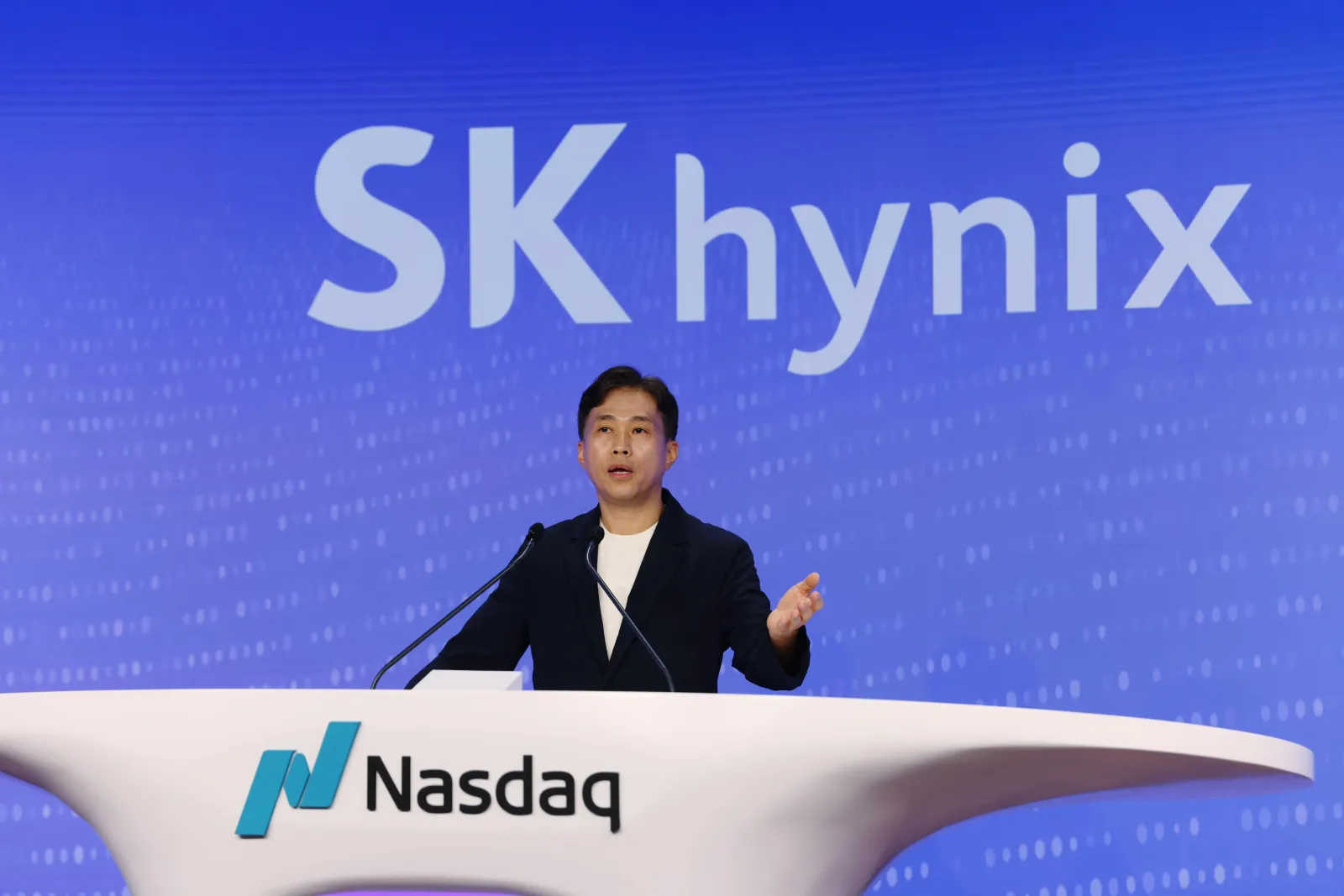
SK Hynix opens at $170, raises $26.5B, and tops foreign IPO records
In Friday's Wall Street debut, SK Hynix turns AI RAM demand into a $26.5B fundraising moment that rewrites comps.
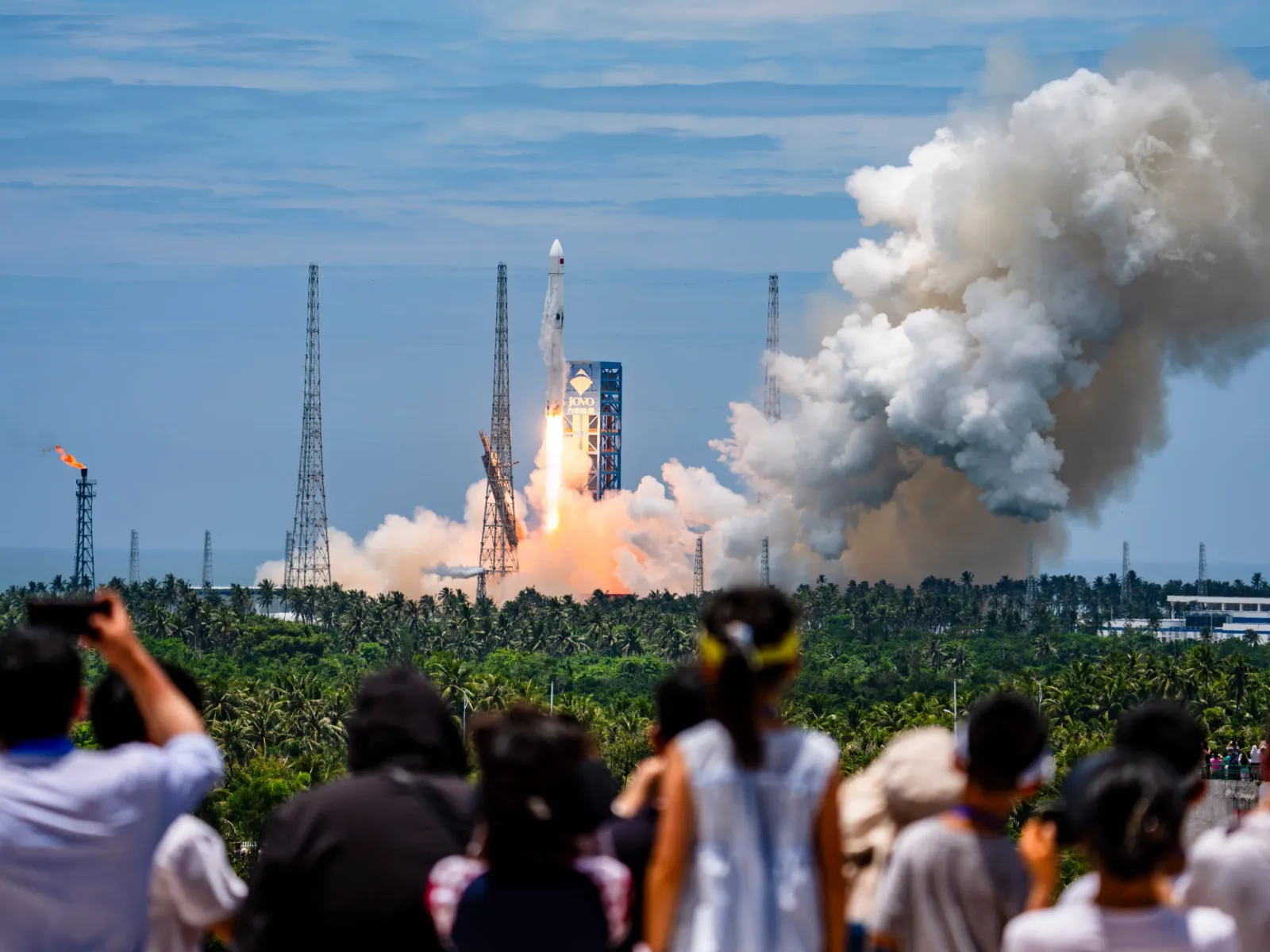
China lands a reusable Long March booster, a first that matches SpaceX and Blue Origin
A barge landing and net-based recovery move China from theory to proof, reshaping the reusability race and satellite ambitions.