
Techland’s Patch 1.28 makes Dying Light 2 a platform for UGC via The Breach
After Prologue completion, players unlock new official mods and community UGC through Tolga and Fatin.
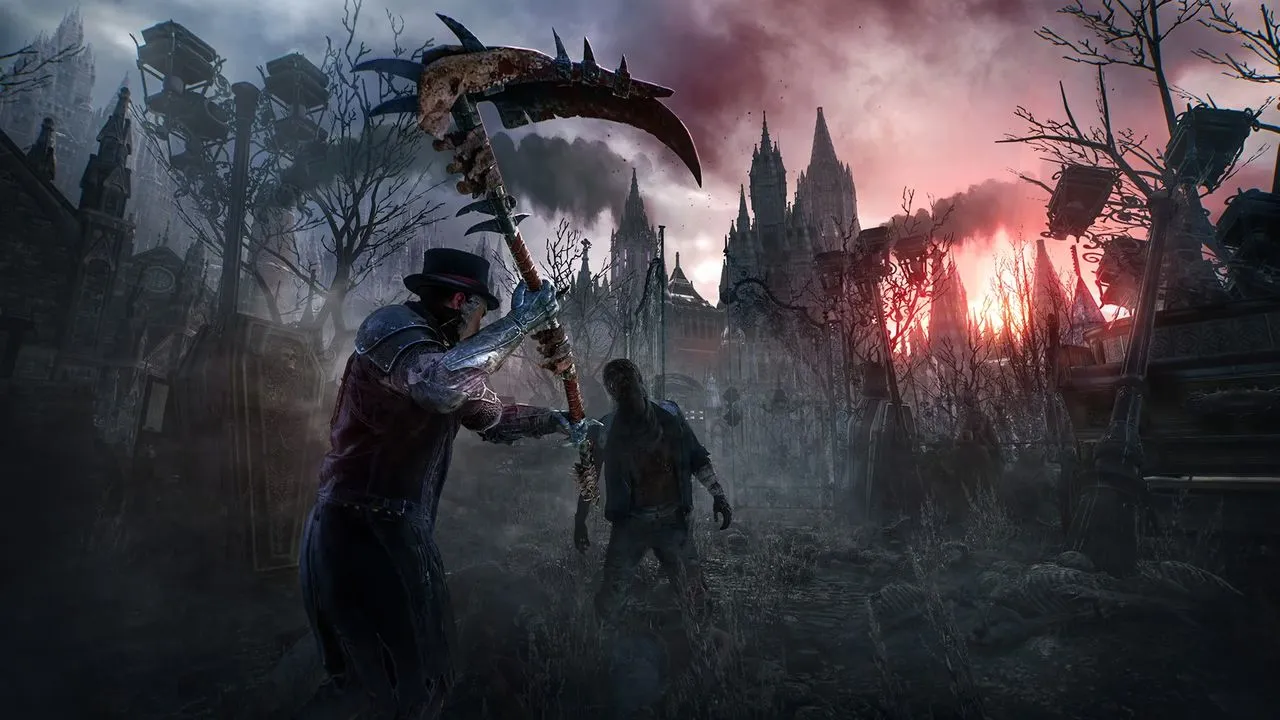
Techland is rolling out Patch 1.28 to Dying Light 2: Stay Human, including The Breach update that opens the game up to more UGC content. The move is a deliberate strategy shift for decision-makers watching how live games try to turn player bases into creation engines.
Techland’s latest Dying Light 2 update is not just another patch. With Patch 1.28, the studio is formalizing The Breach, a new path that turns Dying Light 2: Stay Human into a more UGC-friendly platform, explicitly expanding what players can build and remix after they finish the Prologue.
In Techland’s words, Patch 1.28 is “something we wanted to do for a long time,” and The Breach is “our way of opening up Dying Light 2: Stay Human even more to UGC content and adding new gameplay ideas and different kinds of experiences.” The “how” is concrete: once players complete the game’s Prologue, they can talk to two reintroduced characters from Dying Lights’ universe, Tolga and Fatin, who act as a gateway to a broader portal of UGC experiences.
So what exactly is coming through that portal? It’s framed as a combination of official mods and improved mod support. That distinction matters, because “UGC” can mean anything from lightly curated community creations to a full marketplace of player-made content. Here, Techland is steering toward a hybrid model: official mods that broaden gameplay while also featuring community-made mods.
The update includes official mods such as a third-person mode and a low-gravity mode. Those are not just cosmetic toggles. They shift how combat, movement, and level flow can feel, which is the kind of mechanical remix that tends to attract creator energy. On top of that, Techland says there will be featured mods created by the community, including examples the UGC program manager highlights in an article on Dying Light’s website.
Rafal Polito, Techland’s UGC program manager, calls out community examples like The Atomborne, described as a map that attempts to transform Dying Light 2 into a gothic-heck soulslike, and the upcoming Dead Circuit, which converts Dying Light 2 into a Dead Space knockoff look. Even if you do not care about the specific aesthetic targets, the underlying signal is clear: The Breach is designed to let players and modders pivot the game into other genres and presentation styles, without Techland having to pre-build every experiment.
This comes after four years of Techland actively reworking Dying Light 2’s core bones. The source lists improvements including reworked parkour, added Volatiles to Villedor’s nights, and combat upgrades with greater oomph. It also notes features like New Game+ and replayable bounties. The broad takeaway for executives is that The Breach is not a random side quest. It’s the next phase of a long “make the foundation more robust” effort, where Techland is trying to turn momentum from those system changes into ongoing creator-driven variety.
There is also a reason UGC has become the default bet for many studios, even when it feels risky. The article points out, “UGC is the engine that powers the biggest games in existence today,” referencing Minecraft, Roblox, and Fortnite. The financial logic is simple: if you can get a community to build new content, you can extend a game’s lifespan without relying solely on studio-led production. But there is always a balancing act. In this case, the source notes that Dying Light 2 is not currently drawing “Minecraft-style” scale. According to SteamDB, Dying Light 2’s daily Steam concurrent players are in the low thousands, which the article frames as decent for a four-year-old, primarily single-player game, but not the kind of numbers that make a Roblox-sized content factory inevitable.
For decision-makers, this is where the second-order implications kick in. UGC is often marketed as a fan empowerment story, but it is also a live-ops economics story. If concurrency is relatively modest, creator tools and curated portals become a lever to compensate for limited mass reach by increasing content throughput and repeat engagement among the active core. In other words, even a smaller audience can generate more reasons to come back if the platform keeps producing fresh experiences. The Tolga and Fatin gateway is basically Techland’s way of giving that behavior an on-ramp.
There’s also the community-health subtext. The article frames UGC as an “engine” but acknowledges that Roblox has child safety concerns and exploitative monetization. Whether or not you agree with the tone, it’s a reminder that UGC platforms bring governance, moderation, and policy surface area. Even if the source does not provide regulatory details, the executive reality remains: the moment a game invites users to create, the studio inherits responsibility for what gets made, how it is moderated, and how monetization and safety interact.
Strategically, The Breach positions Techland to capture more value from its existing ecosystem. If the community develops durable mod momentum, Techland can keep Dying Light 2 relevant without treating every new mode as a full studio rewrite. And if the effort works, it sets a template for peers: fix the game’s mechanics, then open a structured creative channel where players can remix the experience. The question now is whether “even more to UGC content” can move Dying Light 2 from a stable legacy community into something closer to a continuously renewing platform.
This story's Key Insights and Take-aways are locked.
Create a free account to unlock Executive Actions for one credit.
Register to UnlockAlways free for Executives Club members. Join the Club
More in Entertainment

Russell Brand's accuser 'bewildered and confused' as he denies 7 sex charges
The criminal case against the comedian is a live test of how media companies manage talent risk when serious allegations go public.

'It's a Magic Trick': Ballet Experts Say Rosalía's SNL Pose Is Impossible
Three ballet experts tell Rolling Stone Rosalía's gravity-defying SNL stillness shouldn't be possible - and why the debate is now part of the show.

Activision CMO: GTA 6 Will Boost Call of Duty, Not Bury It
Activision's top marketer says Rockstar's blockbuster will drive players back to consoles and into Modern Warfare 4, even as the company admits its recent strategy failed.