

Tesla's Profit Slumps as Musk Considers Merging With SpaceX
Heavy AI spending is squeezing the carmaker's bottom line, and a SpaceX tie-up would put two Musk giants on one balance sheet.
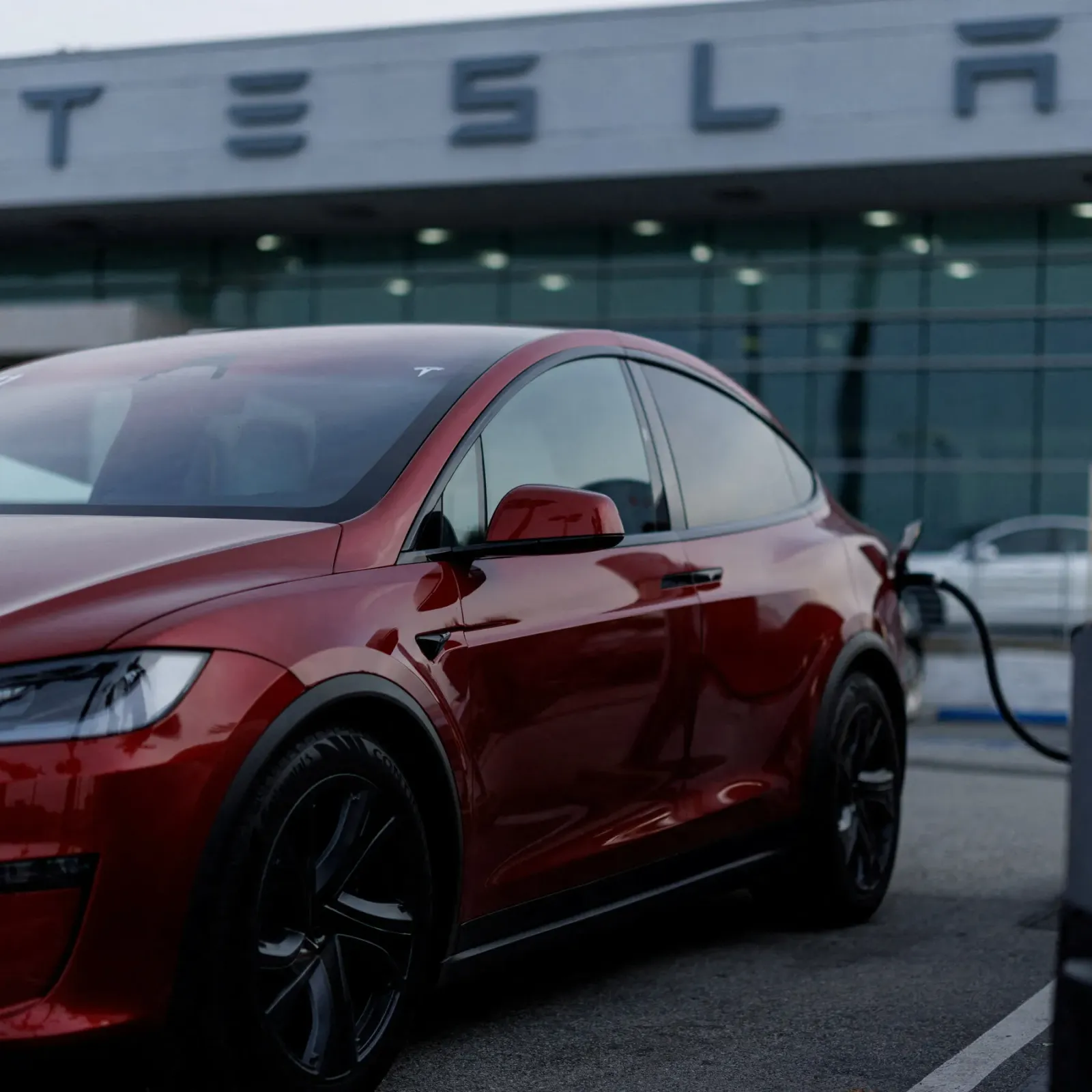
Elon Musk's Tesla posted a profit slump as heavy spending on artificial intelligence and other new technologies weighed on results, even as the company weighs merging with Musk's SpaceX. For executives, a Musk-controlled tie-up would test corporate governance, reshape capital allocation, and force minority shareholders to reassess what Tesla really is.
Tesla's profit is slumping, and Elon Musk is floating a fix that would redraw the map of his empire: merging the carmaker with SpaceX, his rocket company. The news arrived alongside a quarterly earnings report showing that heavy spending on artificial intelligence and other new technologies is eating into Tesla's bottom line, according to The New York Times. The combination of falling profit and a potential mega-merger sets up a moment of high drama for the world's most valuable automaker and one of its most watched executives.
For Musk, who controls both companies, the merger idea is not just a financial rearrangement. It would bring two enormous enterprises under one roof, combine a public automaker with a private rocket giant, and put AI-driven software and spaceflight on the same balance sheet. The plan is under consideration, the Times reported, and it signals how far Musk is willing to go to reshape Tesla's story when profit pressure is mounting. For Tesla shareholders, the immediate question is what such a deal would mean for their stakes; for Musk, it could offer a way to anchor SpaceX's massive future needs to Tesla's access to public capital markets.
Tesla's profit slump did not come out of nowhere. The company has spent heavily on AI and other new technologies for years, pouring resources into self-driving software, custom silicon, and the data centers needed to train large models. Those investments are expensive, and they compress margins when car sales are not growing fast enough to absorb the cost. The Times report makes clear that the current quarter's slump was driven at least in part by this spending, not by a single operational failure. That matters because it signals a deliberate strategy: Musk is willing to trade near-term profit for long-term technological bets, and he wants investors to accept the tradeoff.
The SpaceX angle adds a new layer. SpaceX is a private company, so its financial details are not public, but it is widely understood to be one of the most closely watched private enterprises in the world, dominating satellite launches and deep-space missions. A merger would require valuing a private rocket company, a public automaker, and all their intertwined Musk-controlled entities, a process fraught with conflict-of-interest concerns. Independent directors on both boards would face enormous pressure to prove the deal is fair to Tesla's public shareholders. Regulatory review would likely be intense, especially in an era where big tech and transportation deals get extra scrutiny from antitrust agencies and federal watchdogs.
What is the strategic logic? For Tesla, absorbing SpaceX would diversify revenue away from cars, giving investors exposure to government contracts, defense work, and satellite communications. For SpaceX, being part of Tesla could ease fundraising while giving Musk more direct control over shared engineering talent, especially around batteries, materials, and autonomous systems. But the risks are just as obvious. SpaceX is capital-hungry, and Tesla's cash flow could become the backstop for rocket development and Starlink expansions, a big shift in capital allocation. Meanwhile, Tesla's core automotive business faces slowing demand, competition from established carmakers, and the challenge of turning AI breakthroughs into profitable products, not just expensive promises.
The merger consideration also raises governance questions that every executive should watch. Musk controls both companies, so a deal between them is a related-party transaction, the kind that historically triggers heightened legal scrutiny and shareholder lawsuits. If Tesla overpays for SpaceX, or if SpaceX is valued in a way that enriches its other investors, public Tesla shareholders could bear the cost. If the deal is structured to benefit Musk's broader vision, boards must prove they independently negotiated it. The Times report does not specify deal terms, but the mere fact that a merger is on the table shows Musk is thinking empire-wide, not company-by-company.
For other CEOs and boards, the lesson here is about the cost of ambition. Tesla's profit slump is a reminder that heavy spending on next-generation technology can quickly erode short-term earnings, especially when capital markets demand quarterly results. And the SpaceX merger talk shows how a controlling founder can reframe a company's identity overnight, for better or worse. Any executive considering a massive related-party deal should prepare for the governance gauntlet, stress-test how a private asset could change public shareholder expectations, and compare their own capital allocation discipline against Tesla's example.
What comes next will depend on how far Musk pushes. He could let the merger idea fade into speculation, or he could move quickly toward a structure that would be one of the most complex deals in corporate history. Either way, the combination of a profit slump and a potential SpaceX merger gives investors, regulators, and competitors a clear signal: Tesla is no longer just a car company, it is a vehicle for Musk's grander, and far more expensive, ambitions.
This story's Key Insights and Take-aways are locked.
Create a free account to unlock Executive Actions for one credit.
Register to UnlockAlways free for Executives Club members. Join the Club
More in Business
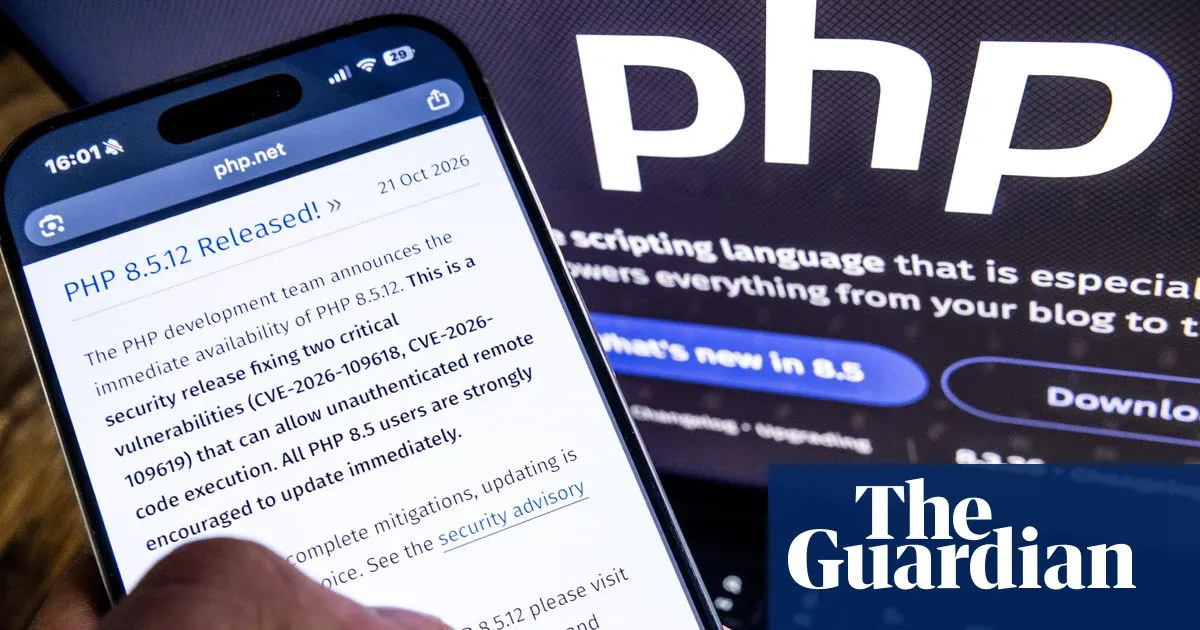
A flaw in PHP just forced governments to pull their own sites offline
European agencies from Belgium to Germany took websites dark to patch a critical weakness in the language behind almost 70% of the web, and the blast radius extends far beyond government portals.

BioWare shuts down, Mass Effect 5 dead after $55B EA buyout
The legendary RPG studio's closure lands months after a $55 billion investment group buyout of EA, raising tough questions for gaming's biggest acquirers.
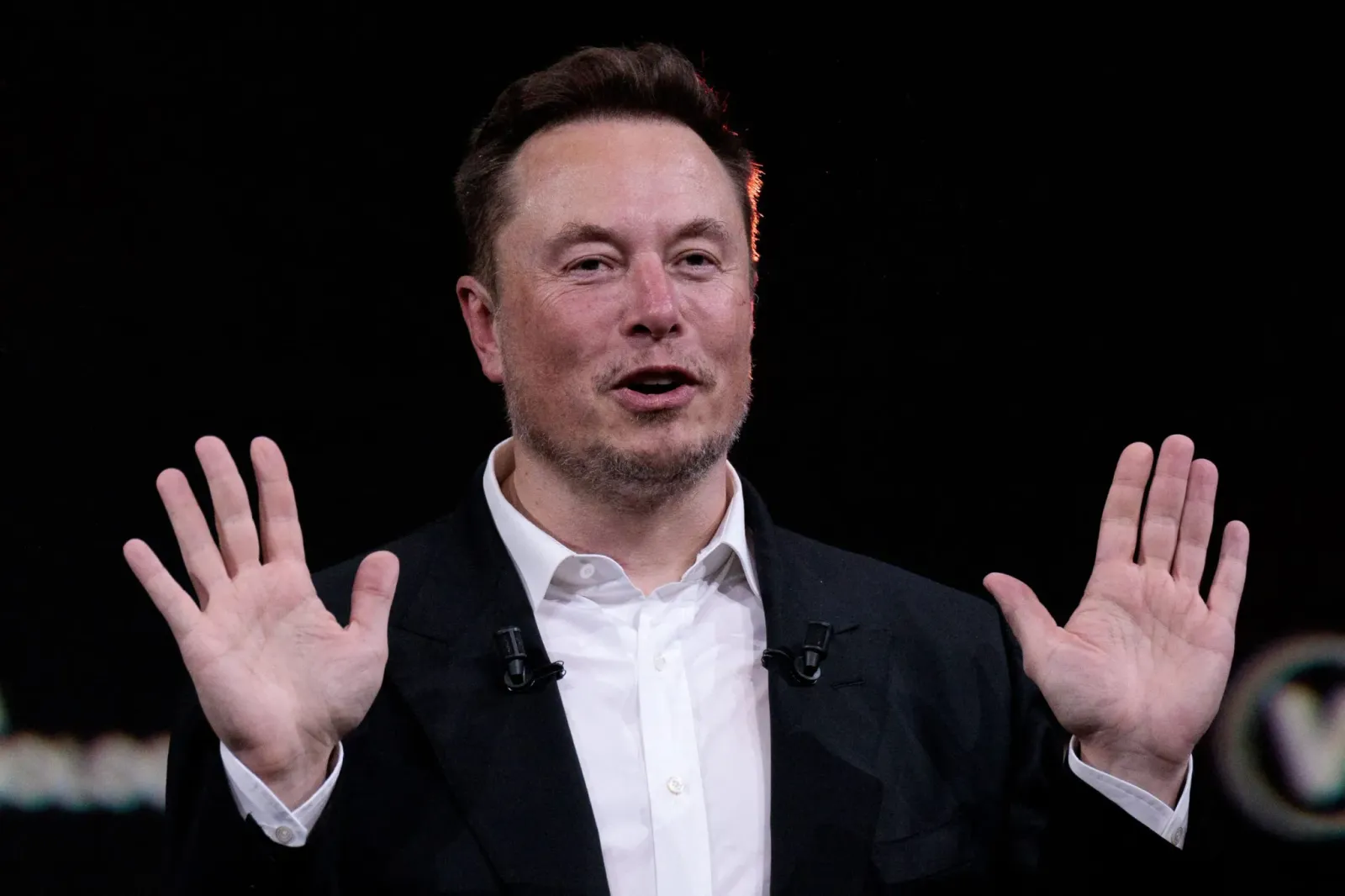
Musk barred from the room as Tesla, SpaceX boards weigh $3.5 trillion merger
The CEO of both companies is a 'conflicted party' watching independent directors negotiate a tie-up that would create a $3.5 trillion giant he would own about a third of.