

Texas' AI data center rush could erase decades of clean air gains
How developers power the AI buildout, with gas turbines or renewables, will decide whether Texas breathes easier or loses its clean air progress.
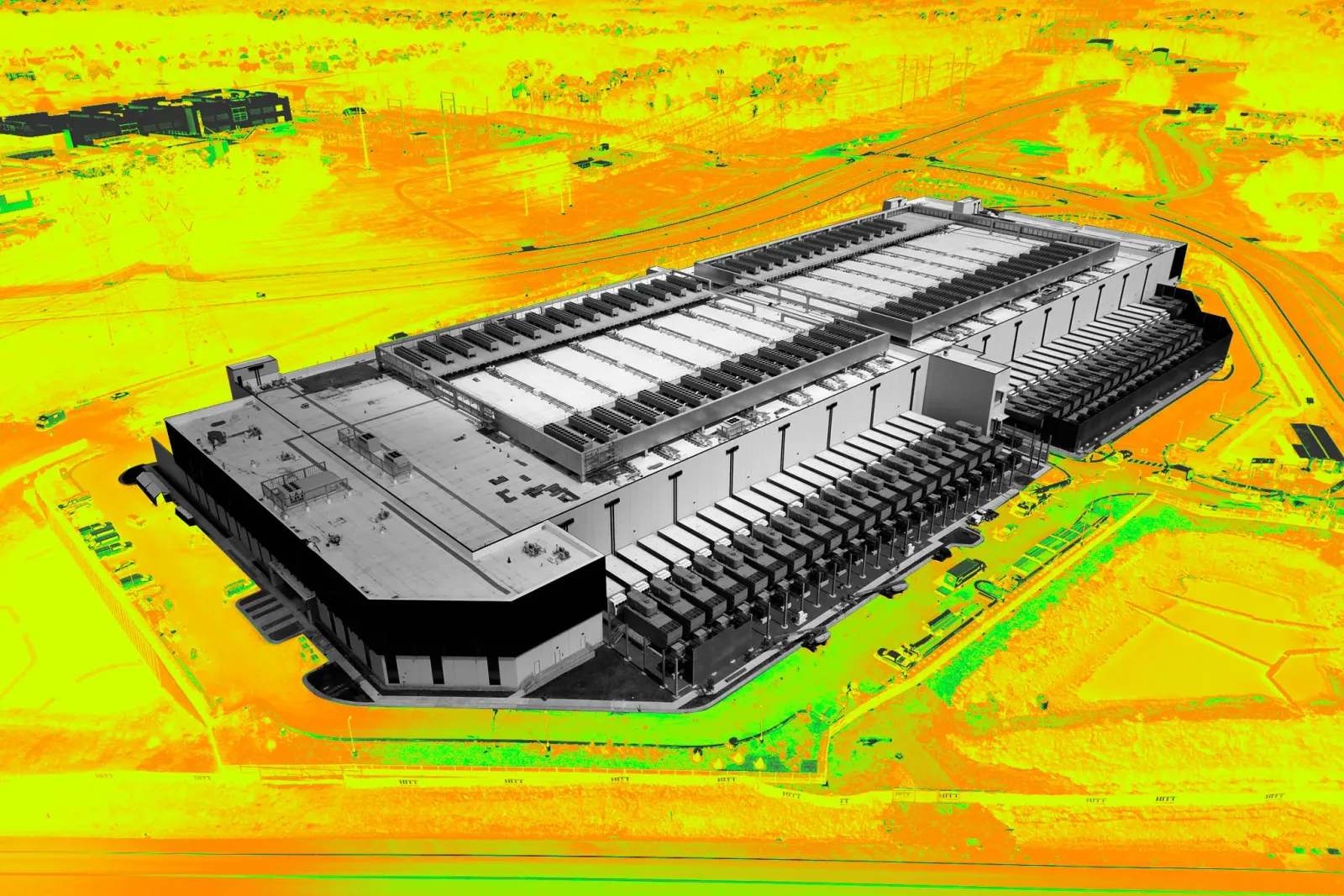
Tech companies and data center developers are racing to power a wave of new AI infrastructure in Texas, and the electricity source they choose could push air pollution back to levels not seen since the 2000s. For executives, the gas-versus-renewables decision is now a strategic risk that will shape emissions, regulatory exposure, and reputational standing for decades.
Texas' AI boom is about to test the state's lungs. A rush of new data centers could push air pollution back to levels not seen since the 2000s, threatening to erase decades of clean-air gains in the state that has become ground zero for the physical infrastructure behind generative AI. The culprit is not the servers themselves but the staggering amount of electricity they demand, and the way developers and utilities choose to generate it.
That choice is stark. If developers and utilities meet the demand with gas turbines, Texas could see smog-forming pollution roar back to levels not seen since the 2000s. If they lean on renewable energy, the state could absorb the AI buildout without sacrificing its air-quality progress. So far, the early signals are grim: tech companies and data center developers are devising new ways to secure electricity, including building out their own power sources, and the fastest, cheapest path to round-the-clock power remains natural gas.
Texas did not become the epicenter of the AI infrastructure buildout by accident. For context, the state's grid, run by the Electric Reliability Council of Texas (ERCOT), is largely deregulated and isolated from the rest of the country, which means developers can often secure power and permits faster than in other regions. Cheap land, a business-friendly regulatory climate, and a deep natural gas pipeline network have made the state a magnet for hyperscale data center projects. That same combination, however, makes it the first place where AI's power appetite collides with public health.
The scale of the demand is hard to overstate. New and proposed data centers are demanding a tremendous amount of electricity, enough that utilities and grid operators are scrambling to plan for load growth that, in some forecasts, rivals the addition of a small country's worth of power demand. Generative AI is the driver: training and running large models requires continuous, high-density computing that runs around the clock, unlike the more flexible workloads of the past. Every new facility adds a load that never sleeps, and the queue of proposed projects keeps growing.
The worst-case scenario is not hypothetical. If all planned data center projects were to plug into the grid and be powered by gas turbines, the cumulative emissions could reverse years of environmental progress. The reporting notes that things are 'looking grim' so far, as developers race to lock in power capacity before their competitors do. The result is a classic collective-action problem: each company optimizes for speed and cost, and the region pays the air-quality price.
For executives, this is not just an environmental story; it is a capital allocation and risk-management story. Choosing gas turbines today means locking in emissions and fuel costs for decades, at a moment when investors, regulators, and employees are scrutinizing corporate climate commitments. Choosing renewables means wrestling with intermittency and the need for battery storage or other firming capacity, which can delay projects in a market where speed is the ultimate currency. The decision is effectively a bet on which cost, financial, regulatory, or reputational, will be higher in 2035.
The deeper tension is that the AI boom is colliding with the very climate goals tech companies have spent years advertising. A company can tout net-zero ambitions in one breath and sign a gas-backed power agreement in the next, and the contradiction is becoming harder to hide. For boards, the question is no longer whether AI growth will happen, but whether it happens on a trajectory that the company, and the communities hosting its data centers, can live with.
The next few quarters will reveal which path the industry takes. If the early signals hold, Texas could become a cautionary tale: a state that won the AI infrastructure race only to lose the air-quality gains it spent two decades securing. For peers in every region courting data center investment, the lesson is to ask about power sourcing before the shovels hit the ground, because the electricity decision made today will be written into the sky for years to come.
This story's Key Insights and Take-aways are locked.
Create a free account to unlock Executive Actions for one credit.
Register to UnlockAlways free for Executives Club members. Join the Club
More in Technology

Japanese startup touts AI to match China's breakneck car development pace
As Chinese EV makers compress development timelines, a Japanese startup is pitching AI tools to help domestic automakers keep pace. The race is now about speed.

Apple's First Foldable Is Astonishingly Good. The Catch: iOS and Apps
The iPhone Duo nails the hardware, but the review warns iOS and third-party apps need time to catch up. Here's what that means for buyers and developers.
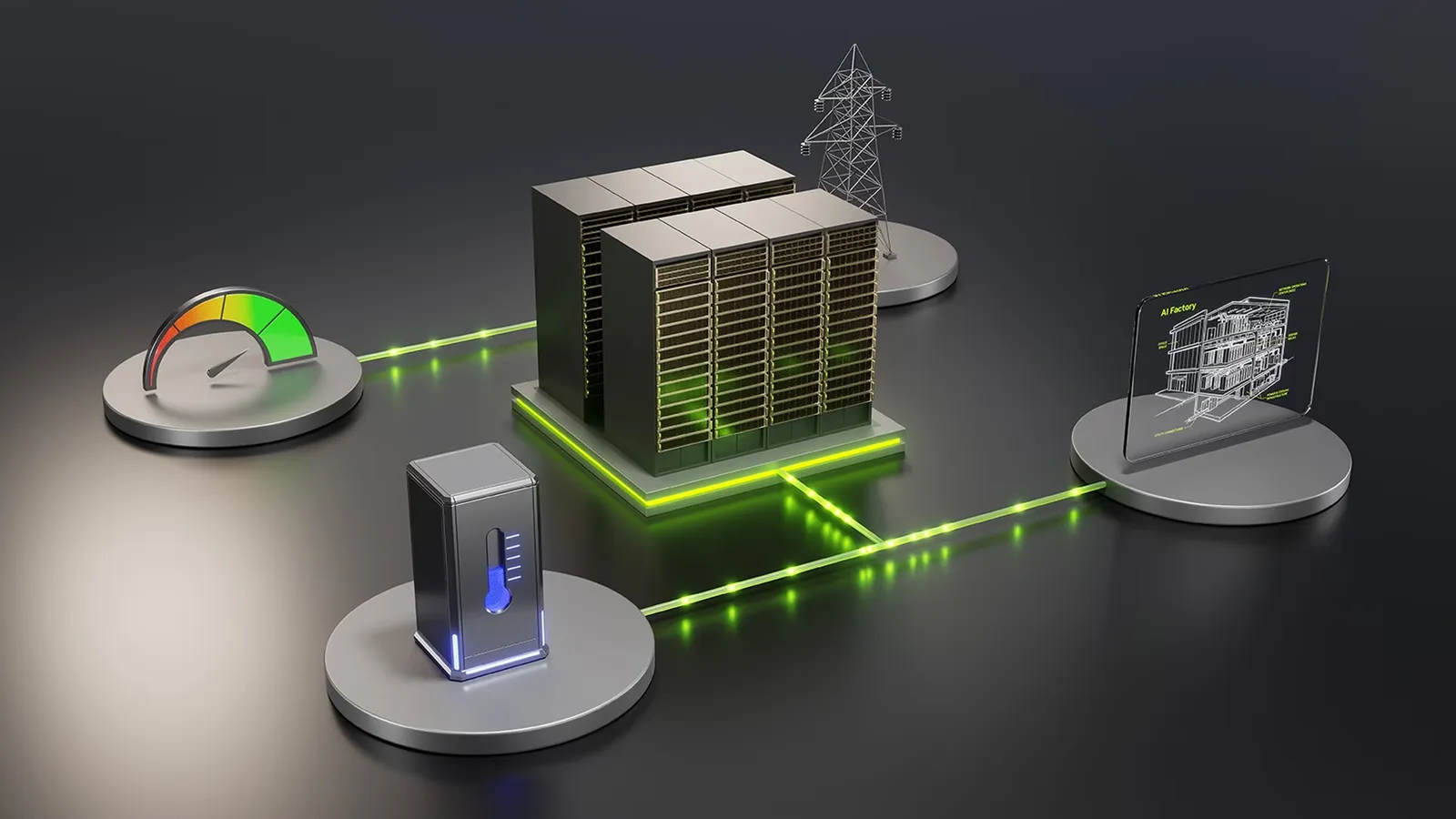
AI data centers guzzle water. Nvidia's DSX blueprint can cut it to near zero
European infrastructure firms are building AI factories on Nvidia's DSX reference design, which the chipmaker says slashes cooling water use to almost zero.