
Thames Water guards £515m cash as debts hit £18.5bn
Liquidity is the fight for survival, while Stripe and Advent circle PayPal with a $53bn bid.
Thames Water says it has £515m cash in the bank as its debts swell to £18.5bn. Meanwhile, Stripe and Advent International have submitted a joint offer to acquire PayPal for about $53bn at $60.50 per share,
Thames Water is drawing a hard line between what it has and what it owes. The utility says it has £515m in cash in the bank, even as its debts swell to £18.5bn. For executives and board members who live and die by cash runway, this is the story: not a promise to fix things later, but a snapshot of how much runway a company has today when liabilities keep growing.
The message is even more pointed because it lands in a moment when the practical question is simple. Can the company survive long enough to keep operating, negotiate, and execute? In the Guardian business live reporting, Thames Water’s cash and debt figures function like a scoreboard. £515m cash versus £18.5bn debts is a gap that forces every stakeholder to think in near-term time horizons: liquidity planning, financing options, payment schedules, and the terms under which lenders and regulators will let it keep moving.
If you zoom out, utilities are the kind of businesses where “cash” becomes strategic messaging. Water systems require constant investment, and regulatory frameworks often determine how quickly costs can be recovered and revenues can flow. When debt piles up to £18.5bn while cash sits at £515m, the company’s board is essentially managing a two-front war: operational continuity and financial credibility. Even without the detailed terms of the debt and the timing of obligations, the headline numbers imply a governance challenge. Boards typically need to balance short-term stabilization against longer-term transformation, and cash constraints often shrink the range of options available.
Now, shift to the capital markets world where the question is different but the pressure is similar: time and certainty. Reuters reports that Stripe and US private equity firm Advent International have swooped on PayPal with a joint offer to acquire it for around $53bn. The offer is for $60.50 a share and was submitted earlier this month. For dealmakers, that’s not just an acquisition headline. It is a signal about risk appetite, competitive strategy, and the price to pay for control of payments infrastructure and user trust.
Why place these stories in the same briefing? Because both are about who can mobilize capital and execution under stress. Thames Water is surfacing cash and debt, essentially telling the market it is not hiding its numbers. Stripe and Advent are doing the opposite, by putting money on the table quickly, with “committed financing from banks” of about $50bn backing the offer, Reuters said. In both cases, the numbers are doing the credibility work. One side is answering “do you have runway.” The other is answering “can you fund the outcome.”
Deal dynamics matter here too. PayPal is a massive consumer-facing payments brand, and acquirers cannot just buy a product. They buy a balance of risk, compliance expectations, and scale economics. A bid backed by about $50bn in committed financing also raises the temperature around governance. If the board believes the bid reflects real value and real funding certainty, it forces a more compressed timeline for evaluation. If it does not, the board still has to spend political and financial capital responding, because a credible offer changes stakeholder expectations.
For executives considering similar battles, the second-order lesson is that cash and financing certainty are not interchangeable. Thames Water’s statement about £515m cash versus £18.5bn debt is a reminder that liquidity can become the center of strategy when obligations swell. Stripe and Advent’s approach to PayPal shows how acquirers use committed financing to reduce execution risk and make negotiations harder to ignore. Put differently: the market does not only price businesses. It prices the ability to pay, to fund, and to keep going when uncertainty gets loud.
This story's Key Insights and Take-aways are locked.
Create a free account to unlock Executive Actions for one credit.
Register to UnlockAlways free for Executives Club members. Join the Club
More in Business

Epic and Google drop settlement bid, forcing rival Android app stores by July 22
Google told the court it is ready to carry third-party app stores starting Wednesday, July 22.
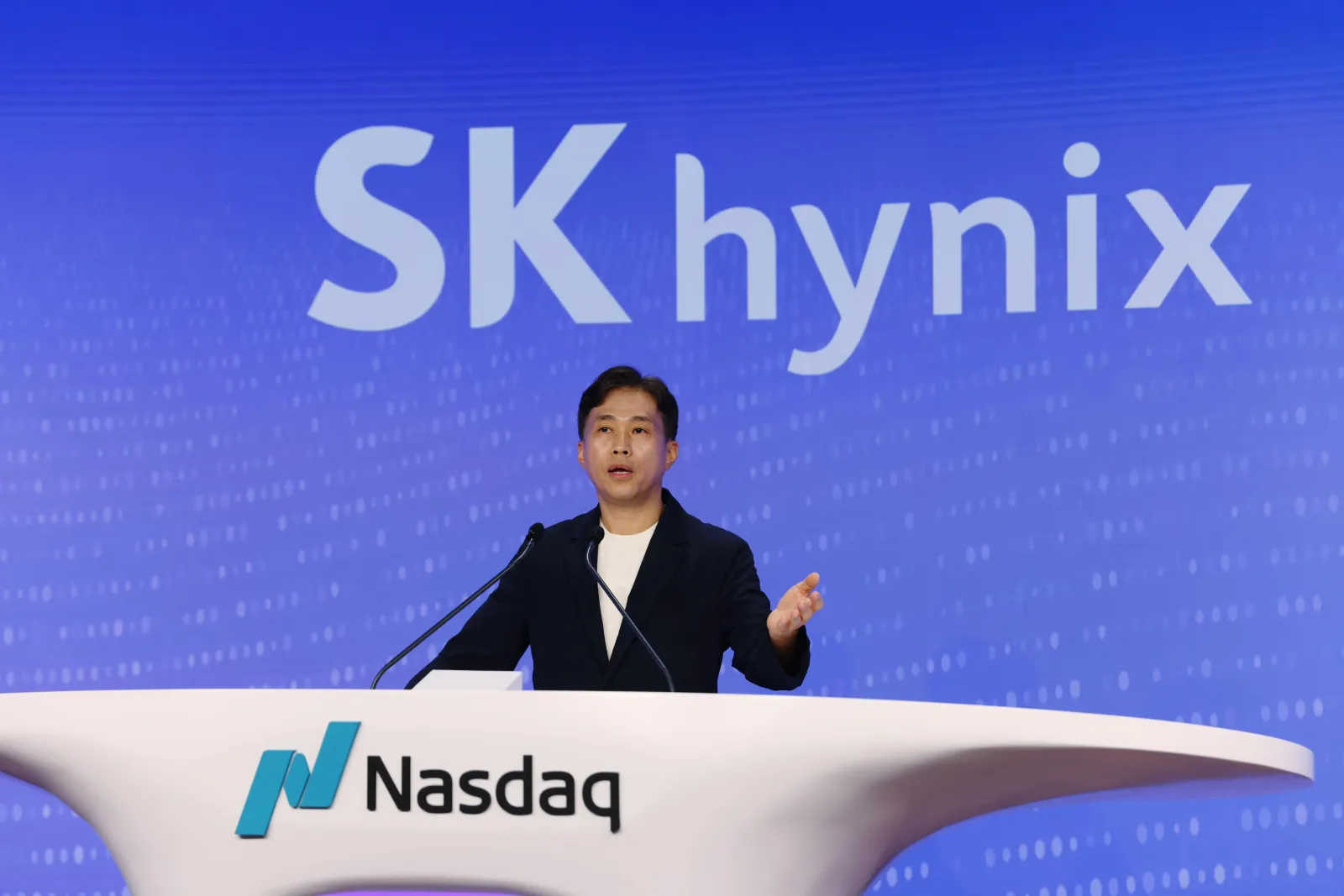
SK Hynix opens at $170, raises $26.5B, and tops foreign IPO records
In Friday's Wall Street debut, SK Hynix turns AI RAM demand into a $26.5B fundraising moment that rewrites comps.

China lands a reusable Long March booster, a first that matches SpaceX and Blue Origin
A barge landing and net-based recovery move China from theory to proof, reshaping the reusability race and satellite ambitions.