

Thames Water swings back to post-tax profit, but net debt keeps climbing
A rare profit headline for the UK’s biggest water supplier comes with a capital warning: net debt rose, too.

Thames Water, the UK’s largest water company, reported a post-tax profit for the 12 months to the end of March. Even with the profit, its net debt also swelled, creating a mixed message for boards and investors.
Thames Water returned to post-tax profit for the 12 months to the end of March. But the same set of results also showed its net debt swelled, meaning the “profit” headline does not fully translate into financial strength.
For decision-makers, the key is that both things can be true at once. Thames Water’s bottom line can improve in the accounting period, while the balance sheet still worsens if borrowing, financing costs, or cash demands outpace progress. In a sector built on heavy infrastructure and long timelines, that distinction matters, because lenders, regulators, and rating agencies do not live inside a single year’s profit-and-loss statement.
To understand why, zoom out to how UK water companies typically operate. They run essential services, they invest in assets that take years to build, and they rely on regulated returns. That means revenues are constrained by regulation, but costs can move with inflation, energy prices, and the sheer grind of maintaining and upgrading aging systems. When costs rise faster than permitted revenue adjustments, companies often look to finance the gap. That financing can push net debt higher even if operating performance is not catastrophic.
Regulation is the other big reason profit and debt can move in opposite directions. Water is a regulated monopoly environment, which typically translates into scrutiny of efficiency, service delivery, and long-term investment plans. The regulator can pressure companies to spend more to meet environmental and infrastructure expectations, and it can shape the economics of what companies are allowed to earn. The result is a business where management teams are measured on multiple fronts: service outcomes and compliance on one side, and capital structure discipline on the other.
The Thames Water story also lands in a moment when the market watches “credit quality” even more closely than “earnings quality.” Water companies can look stable operationally while still carrying fragile leverage. Investors and creditors tend to focus on whether cash generation can support debt, whether refinancing risk is manageable, and whether the trajectory of net debt can flatten. When the income statement shows profit but net debt rises, it often signals that cash and financing dynamics are the real battleground.
That’s why this headline is a blindside for anyone tempted to declare the sector’s problems “over” after a single profit print. A return to post-tax profit is progress. It can indicate some combination of improved performance, accounting effects, or cost and pricing headwinds easing during the measured period. But swollen net debt implies the company still has a balance-sheet mountain to manage, and that mountain can affect future flexibility: the ability to fund upgrades, absorb shocks, and meet regulatory and creditor demands without constant refinancing stress.
In practical boardroom terms, this kind of mixed result changes what questions directors should ask. Profit is no longer the headline metric. The board has to chase the linkage between earnings and cash, and then chase the pathway for net debt. If net debt swelled despite profit, management needs to show how that will reverse, what levers can reduce net leverage, and how investment and compliance plans will be funded going forward. Credit markets will want to see more than a profit headline; they will want to see stabilization, then reduction.
For peers across the sector, Thames Water’s update is a reminder that “being back in the black” is not the same as de-risking the capital story. Other regulated utilities, especially those with large infrastructure needs, will be thinking about the same tension: how to deliver regulated investment and service targets while preventing balance sheets from deteriorating. The second-order implication is that boards may be forced to prioritize debt trajectory management, because investors can accept a rough patch on earnings more easily than a persistent climb in leverage, particularly in an environment where external financing conditions matter.
In short: Thames Water reported a post-tax profit for the 12 months to the end of March, then promptly showed that net debt also swelled. The profit is encouraging. The debt rise is the warning. For executives, the moment is now about turning that accounting win into balance-sheet momentum.
This story's Key Insights and Take-aways are locked.
Create a free account to unlock Executive Actions for one credit.
Register to UnlockAlways free for Executives Club members. Join the Club
More in Business

Epic and Google drop settlement bid, forcing rival Android app stores by July 22
Google told the court it is ready to carry third-party app stores starting Wednesday, July 22.
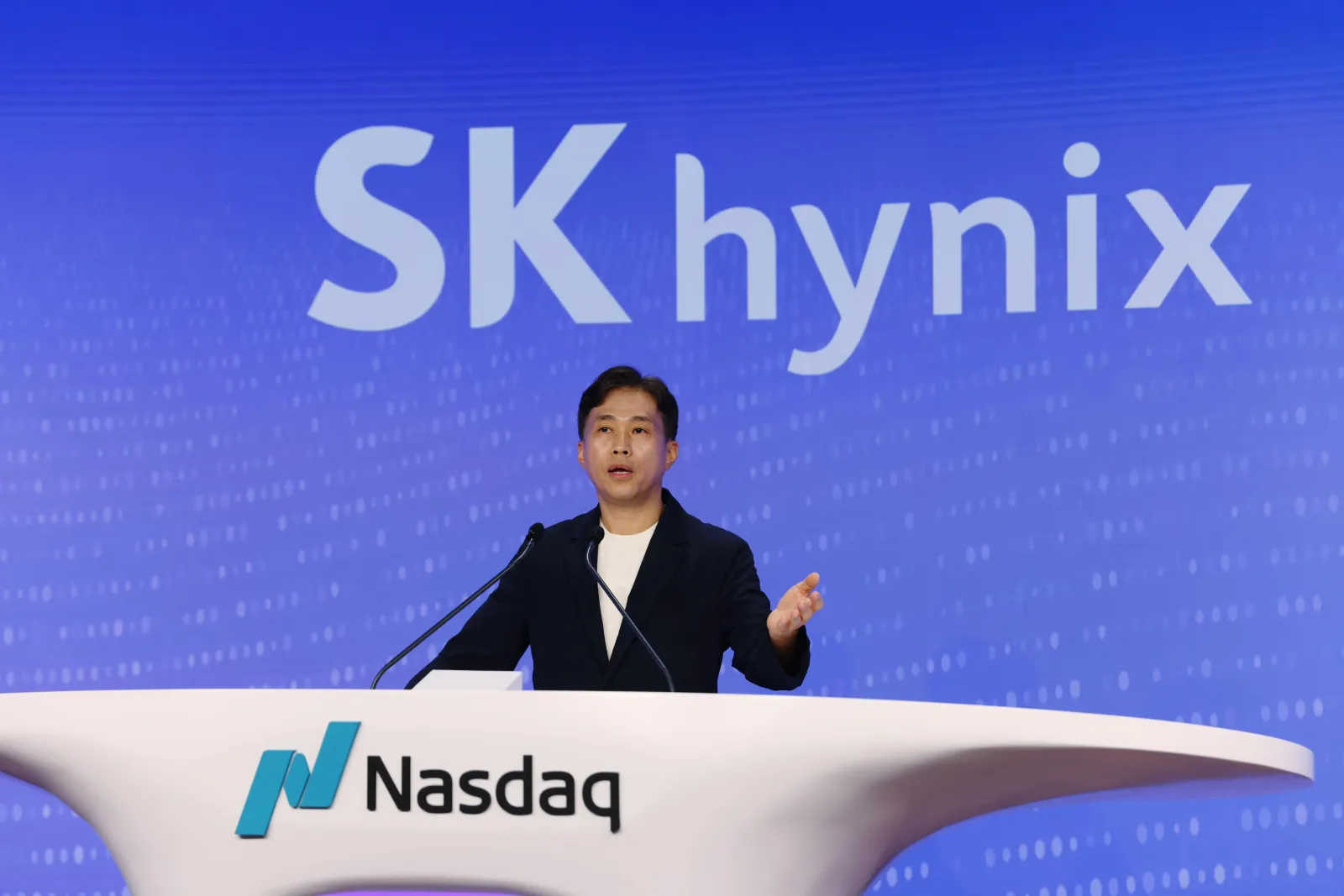
SK Hynix opens at $170, raises $26.5B, and tops foreign IPO records
In Friday's Wall Street debut, SK Hynix turns AI RAM demand into a $26.5B fundraising moment that rewrites comps.

China lands a reusable Long March booster, a first that matches SpaceX and Blue Origin
A barge landing and net-based recovery move China from theory to proof, reshaping the reusability race and satellite ambitions.