
The $110B merger just forced Paramount into a 30-movie-a-year promise
After settling with 12 states, Paramount must release at least 30 films annually and spend $300M more on US production - a mandate that reshapes studio economics.

Paramount reached a settlement with 12 states to clear its $110B merger with Warner Bros. Discovery, committing to a minimum of 30 annual movie releases and $300M in extra US production spending. For executives, this output mandate redefines production capacity and regulatory risk in media consolidation.
Paramount's $110 billion merger with Warner Bros. Discovery just cleared a major hurdle, but the price of passage is steep: the studio has committed to releasing at least 30 movies every year. That commitment, part of a settlement with 12 states that had sued to block the deal, comes on top of a $300 million spending increase on US film and TV projects. The numbers are now public, and they signal that regulators and state attorneys general are demanding concrete concessions to protect the entertainment landscape - not just vague promises about competition. For Paramount's leadership, the math is daunting: hitting 30 theatrical releases annually is a massive jump from the typical output of major studios, which have been trimming slates in recent years to focus on streaming efficiency. The studios' recent output makes the target look even more aggressive, suggesting this is not a modest adjustment but a full operational pivot. The settlement also requires the combined company to spend an additional $300 million on US-based production, which could mean expanded soundstages, more union hiring, and a scramble for tax incentives across states. The $110 billion price tag already made this one of the biggest media mergers in history, but the added conditions turn it into a stress test for the entire production ecosystem. For Paramount, the 30-movie mandate is a double-edged sword. On one hand, it forces a level of production discipline that could strengthen the theatrical pipeline and give exhibitors a reason to cheer. On the other, it risks overextending creative resources, diluting quality, and inflating budgets - a cautionary tale from past mega-mergers where output quotas backfired. The $300 million US production pledge also raises the stakes for unions and local governments negotiating incentives, as states will now compete more aggressively to land a piece of that spending. The settlement ends a multi-state lawsuit that had threatened to delay or kill the deal, but it also marks a new era of regulatory scrutiny for media consolidation. While the DOJ and FTC have historically reviewed such mergers, the intervention of 12 state attorneys general adds a layer of political and operational complexity that cannot be ignored. By agreeing to these output and spending minimums, Paramount is betting that the incremental costs are worth the scale benefits of combining with WBD's massive library, which includes DC, HBO, and CNN. For competitors like Disney, Universal, and Netflix, this settlement sets a dangerous precedent. If Paramount succeeds in hitting 30 movies a year, rivals may face similar output mandates in future regulatory battles - and that could force them to bulk up their slates whether they want to or not. Conversely, if the mandate proves unsustainable, it becomes a case study in why government-imposed quotas are problematic for an industry already struggling with theatrical attendance and streaming profitability. The broader industry should watch closely. The days of rubber-stamping big media deals are likely numbered, and executives in adjacent sectors - from talent agencies to post-production houses - should prepare for a world where output commitments become standard negotiating chips. For Paramount, the clock is already ticking: every year, the studio must greenlight, produce, and release 30 films, and that requires not just money but an enormous amount of creative bandwidth. The $300 million spending pledge is a start, but it is only a fraction of what a 30-movie slate will actually cost. The real question is whether the merger's promised synergies can deliver the pipeline capacity to meet the mandate without breaking the bank. For boards and CEOs contemplating similar consolidation, the lesson is clear: regulatory concessions carry real capital costs, and the operational strain of output mandates should be modeled long before the deal is signed. Paramount has made its promise, and now the entire industry will be watching to see if it can deliver.
This story's Key Insights and Take-aways are locked.
Create a free account to unlock Executive Actions for one credit.
Register to UnlockAlways free for Executives Club members. Join the Club
More in Business

Royal Caribbean just spent $3B to own half of Sandals
The cruise giant is buying a 50% stake in the all-inclusive resort chain for $3 billion, a bet that land-based vacations are the next growth engine.

Paramount's Ellison: Merger Clearance Done, WBD Deal by Oct 1
David Ellison says the Paramount-WBD merger has full clearance after settling with state AGs, clearing the path for an October 1 close.
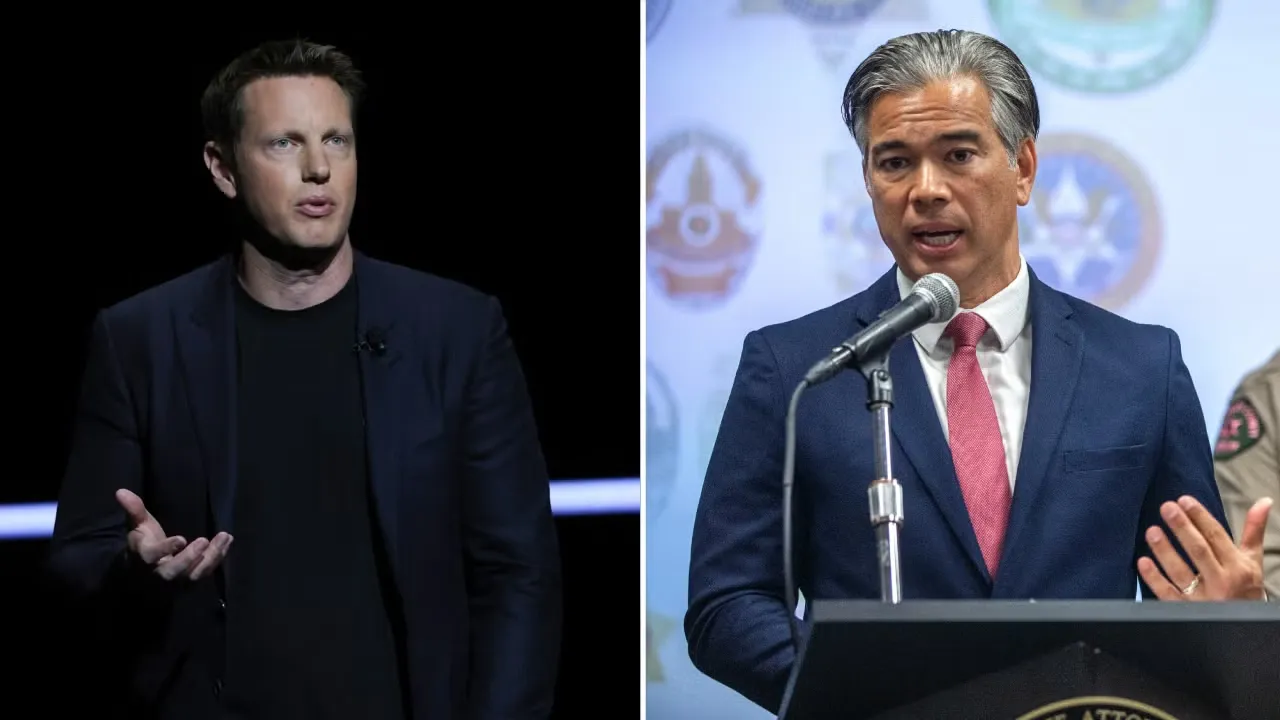
Paramount settles with 12 states, $110B Warner merger clears final hurdle
David Ellison's studio avoids a March trial and a $7M-a-day ticking fee by settling with state AGs over local job losses.