

The Israeli surge into Cyprus property is remaking the island
A three-year wave of Israeli buyers and permanent movers is transforming Cyprus's economy, and locals are starting to respond.

Over the past three years, more Israelis have been purchasing property and investing in Cyprus, with many relocating permanently, according to Deutsche Welle. The influx is reshaping the Cypriot economy and forcing locals to confront the costs and benefits of a new wave of foreign capital.
Over the past three years, a quiet but steady wave has been building in the eastern Mediterranean. More and more Israelis are purchasing property and investing in Cyprus, and a significant number are moving to the island permanently. That is the finding of a Deutsche Welle report that asks a pointed question: how has this changed the Cypriot economy, and how are locals responding? The answer, still unfolding, touches on real estate, capital flows, and the shifting demographics of an island that has long been a magnet for foreign buyers.
The scale of the shift is visible in the property market. Israeli buyers have become a notable presence in Cypriot real estate, from seaside apartments in Larnaca and Limassol to inland homes and commercial investments. The report does not cite specific transaction figures, but the trend over three years is clear enough to have caught the attention of economists, developers, and local residents. For a country of roughly 1.2 million people, an influx of new residents and investors can move markets, and it is already doing so.
Cyprus is no stranger to foreign money. For decades, the island has attracted buyers from Russia, the United Kingdom, and other European countries, drawn by its Mediterranean climate, low tax rates, and strategic location at the crossroads of Europe, Asia, and the Middle East. The Israeli wave adds a new layer. It is driven by geography, with Cyprus just a short flight from Tel Aviv, and by a mix of economic and personal motivations that the report does not break down but that fits a broader pattern of Israelis seeking new bases for work, investment, and family life.
The economic effects are already rippling through the Cypriot economy. Real estate is a major pillar of the island's GDP, and a sustained increase in foreign demand tends to boost construction, legal services, and the broader property ecosystem. New residents bring spending power, and those who relocate permanently often start businesses, hire local staff, and integrate into the community. For Cyprus, which has worked to reposition itself as a business hub after its 2013 banking crisis, a fresh source of capital and talent is a welcome development in many quarters.
But the local response is not uniform. The report raises the question of how Cypriots are reacting, and the answer is likely to be mixed. Foreign buying waves have historically created tension in small markets, because they can push up property prices and rents, making housing less affordable for local residents. In Cyprus, where tourism and real estate are intertwined, a surge in foreign ownership can also change the character of neighborhoods and cities. The report does not provide specific polling or quotes, but the dynamic is familiar to anyone who has watched similar waves in Portugal, Spain, or Greece.
For executives and investors, the Israeli move into Cyprus is more than a real estate story. It is a signal about capital flows in the eastern Mediterranean, a region that has seen significant geopolitical and economic shifts in recent years. Cyprus offers a stable, EU-regulated environment with a competitive tax regime, which makes it an attractive base for companies and individuals looking to diversify their exposure. The fact that Israelis are choosing Cyprus in growing numbers suggests that the island is succeeding in its pitch as a safe, accessible, and business-friendly destination.
The longer-term stakes are significant. If the trend continues, Cyprus could see its economy rebalanced toward a more diverse mix of residents and investors, with all the opportunities and frictions that come with that. For local policymakers, the challenge will be to manage the influx so that the benefits are shared and the costs, such as housing pressure, are addressed. For businesses, the message is simpler: watch the eastern Mediterranean, because the people moving there are bringing their capital, their companies, and their futures with them.
This story's Key Insights and Take-aways are locked.
Create a free account to unlock Executive Actions for one credit.
Register to UnlockAlways free for Executives Club members. Join the Club
More in Business
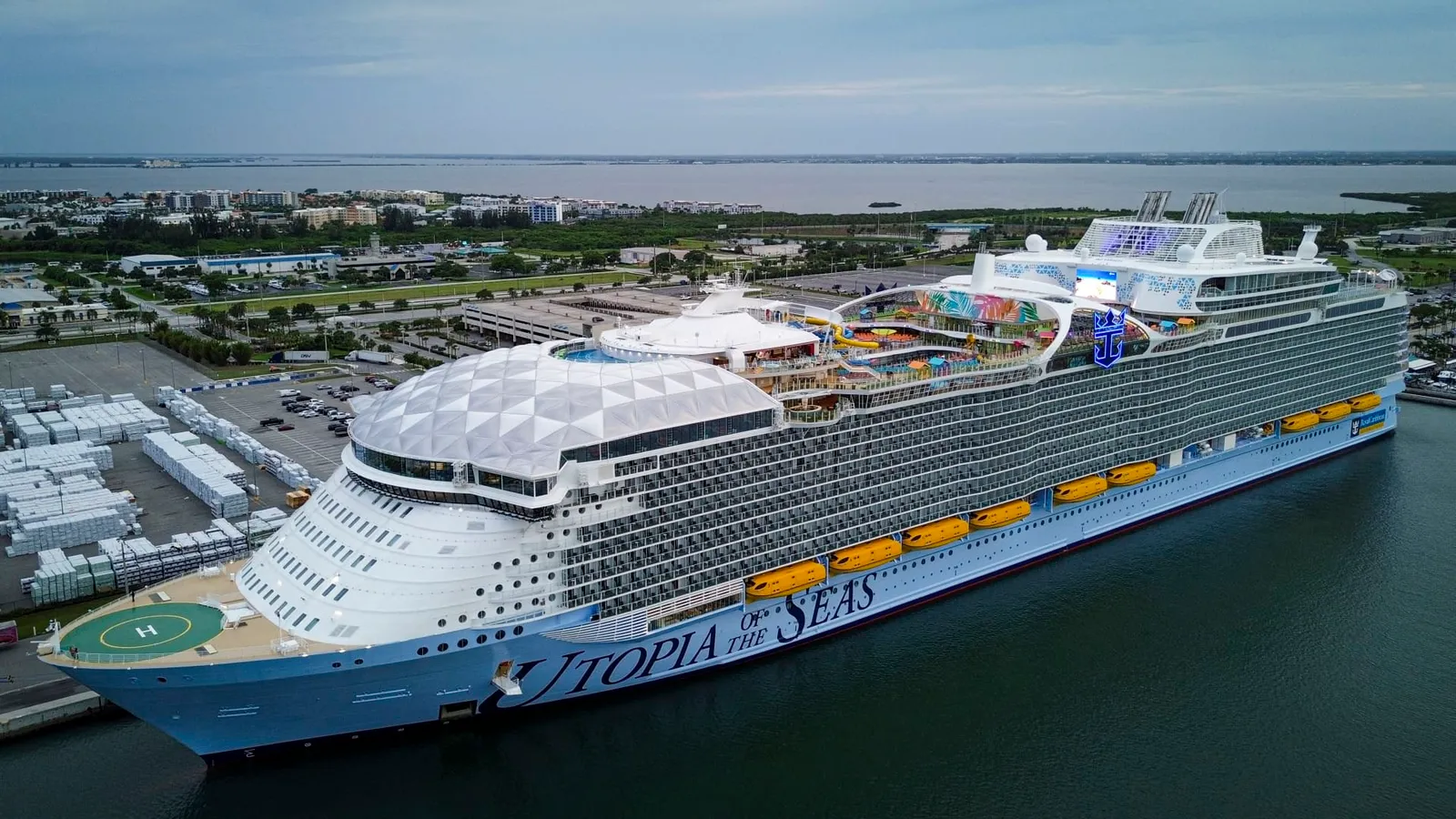
Royal Caribbean just spent $3B to own half of Sandals
The cruise giant is buying a 50% stake in the all-inclusive resort chain for $3 billion, a bet that land-based vacations are the next growth engine.

Paramount's Ellison: Merger Clearance Done, WBD Deal by Oct 1
David Ellison says the Paramount-WBD merger has full clearance after settling with state AGs, clearing the path for an October 1 close.

Paramount settles with 12 states, $110B Warner merger clears final hurdle
David Ellison's studio avoids a March trial and a $7M-a-day ticking fee by settling with state AGs over local job losses.