
The Mandela Catalogue hits theaters June 9, 2028, after an 11-studio bidding war
Amazon MGM and United Artists win the rights to the viral analog horror franchise, with creator Alex Kister directing for a summer 2028 release.

Amazon MGM Studios, Scott Stuber's United Artists, and Steven Spielberg's Amblin will release The Mandela Catalogue on June 9, 2028, with creator Alex Kister directing. The 11-studio bidding war signals that studios are now treating viral YouTube horror as a premium theatrical asset, not just a streaming afterthought.
The Mandela Catalogue, one of the defining titles of the analog horror genre, is officially a theatrical event. Amazon MGM Studios, Scott Stuber's United Artists, and Steven Spielberg's Amblin will release the feature on June 9, 2028, with creator Alex Kister directing from a screenplay he adapted with Tyler Clifton. The project landed after an extremely competitive 11-studio bidding war, a sign that the industry sees serious commercial potential in a franchise that began as a free YouTube series. The deal was negotiated by Amazon MGM Studios and Sarah Vacchiano for United Artists, and it gives the film a prime summer release date nearly four years out, a window typically reserved for major franchise bets.
For the uninitiated, The Mandela Catalogue is not your typical horror IP. It is a cornerstone of the analog horror movement, a genre that uses VHS-era static, grainy surveillance footage, and unsettling public-access aesthetics to create dread. The series has amassed well over 100 million views across its official episodes alone, making it one of the largest original analog horror franchises on YouTube. It is widely regarded as a defining title in the genre alongside Local 58 and The Backrooms. The film's plot centers on alternate realities, doppelgangers, and a sinister entity that exploits the Mandela Effect, the phenomenon where large groups of people misremember the same event. That premise has already proven its viral appeal, and now it is being translated into a big-budget studio production.
The bidding war itself is the real story for executives watching the entertainment landscape. Eleven studios fought for the rights to a property that has no traditional source material, no established movie star, and no prior box office track record. What it does have is a massive, passionate online audience and a creator with a distinct visual identity. That combination is increasingly rare and increasingly valuable. Studios have spent the past decade chasing established IP, from comic books to theme park rides, but the next wave of franchise building may come from the internet's own mythology. The Mandela Catalogue is a test case for whether a YouTube-born horror universe can translate into a theatrical tentpole.
The involvement of Steven Spielberg and Amblin Entertainment adds another layer of significance. Spielberg has built a career on stories that blend the ordinary with the extraordinary, and his production company's backing gives the project instant credibility. Holly Bario will produce for Amblin alongside Aaron B. Koontz for Paper Street Pictures and Stuber and Nick Nesbitt for United Artists. Kister and Clifton will also produce, ensuring the original creative vision remains intact. Annie McCreery will oversee the project for UA, while Maria Fortese will oversee for Amblin. The sheer number of producing entities reflects the complexity of modern franchise development, but it also signals that multiple stakeholders believe this property has legs beyond a single film.
For Amazon MGM, this acquisition is part of a broader strategy to build a theatrical slate that can compete with the legacy studios. United Artists, under Scott Stuber's leadership, has been repositioned as a home for filmmaker-driven projects, and The Mandela Catalogue fits that mandate perfectly. The film gives Amazon a chance to own a potential franchise from the ground up, rather than paying premium prices to license existing IP. It also gives the company a foothold in the horror genre, which has consistently delivered outsized returns on modest budgets. A summer 2028 release date suggests the studio is confident in the property's mainstream appeal, not just its cult following.
The timing is also worth noting. The film is scheduled for June 9, 2028, a date that places it squarely in the summer blockbuster corridor. That is a vote of confidence from the studio, but it also raises the stakes. Summer releases are expected to open big, and a horror film with a viral following will need to convert its online audience into ticket buyers. The four-year gap between announcement and release is typical for major productions, but it also gives the franchise time to grow. More episodes of the YouTube series, additional lore, and a growing fan base could all build momentum before the film arrives.
For executives and creators watching from the sidelines, the lesson is clear: the internet is no longer just a farm system for talent, it is a farm system for entire franchises. The Mandela Catalogue proved that a creator with a camera, a concept, and a consistent aesthetic can build an audience that rivals traditional media. The 11-studio bidding war is proof that the market has noticed. The next few years will show whether that audience is willing to pay for a theatrical experience, but the industry has already made its bet. The film's success or failure will be a data point for every studio deciding how aggressively to pursue YouTube-born IP.
The strategic stakes extend beyond horror. If The Mandela Catalogue opens strong, expect a wave of similar acquisitions targeting viral creators across genres, from sci-fi to comedy to drama. Studios will look for properties with built-in audiences, clear visual identities, and creators who can serve as directors or showrunners. The deal also reinforces the value of owning IP outright, rather than renting it from a publisher or a streaming service. Amazon MGM, United Artists, and Amblin are not just making a movie, they are planting a flag in the analog horror genre and betting that internet culture can sustain a theatrical franchise. For decision-makers, the takeaway is straightforward: the next big IP may not come from a comic book or a novel, it may come from a YouTube channel with a million subscribers and a very good idea.
This story's Key Insights and Take-aways are locked.
Create a free account to unlock Executive Actions for one credit.
Register to UnlockAlways free for Executives Club members. Join the Club
More in Business
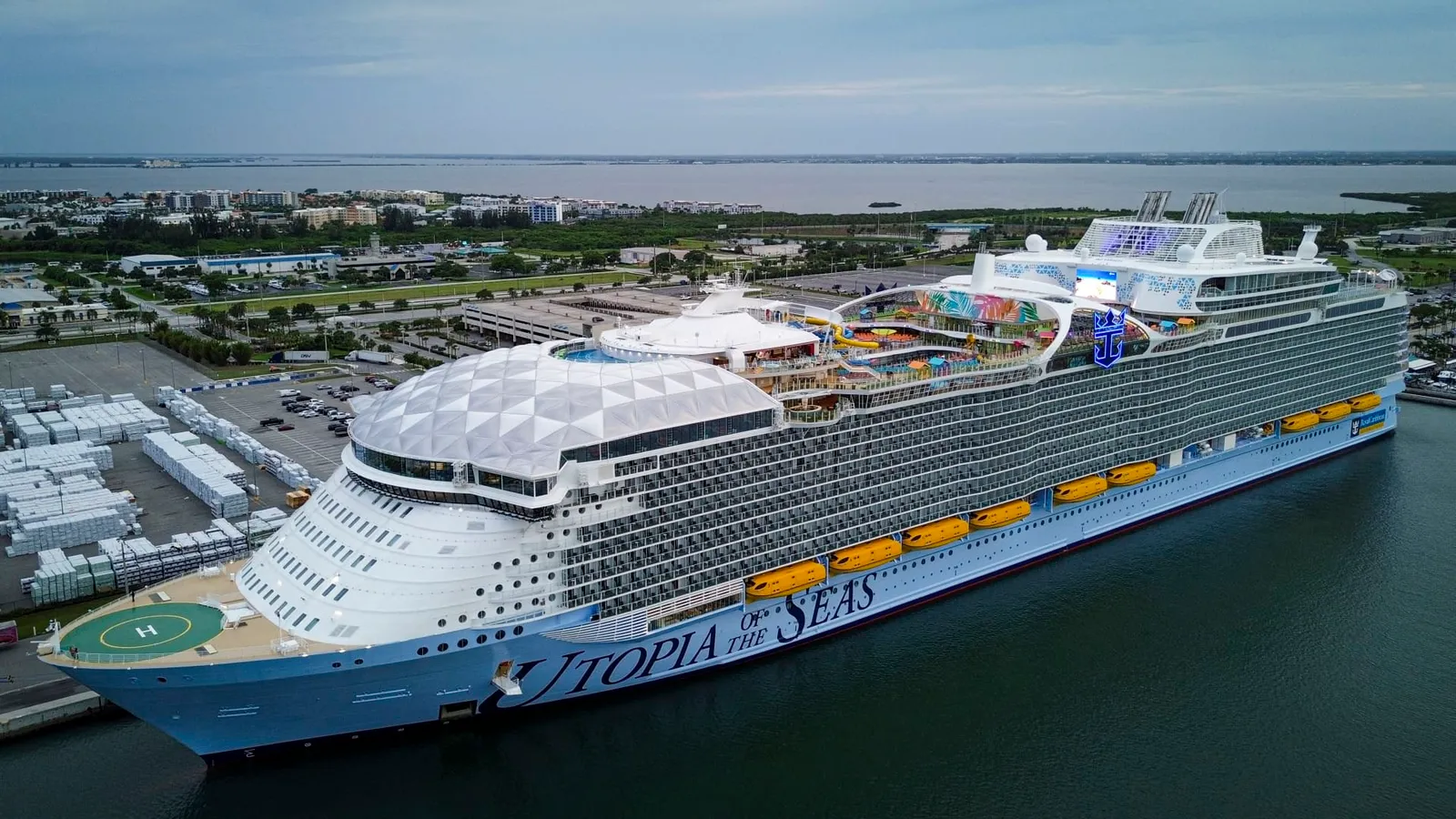
Royal Caribbean just spent $3B to own half of Sandals
The cruise giant is buying a 50% stake in the all-inclusive resort chain for $3 billion, a bet that land-based vacations are the next growth engine.

Paramount's Ellison: Merger Clearance Done, WBD Deal by Oct 1
David Ellison says the Paramount-WBD merger has full clearance after settling with state AGs, clearing the path for an October 1 close.
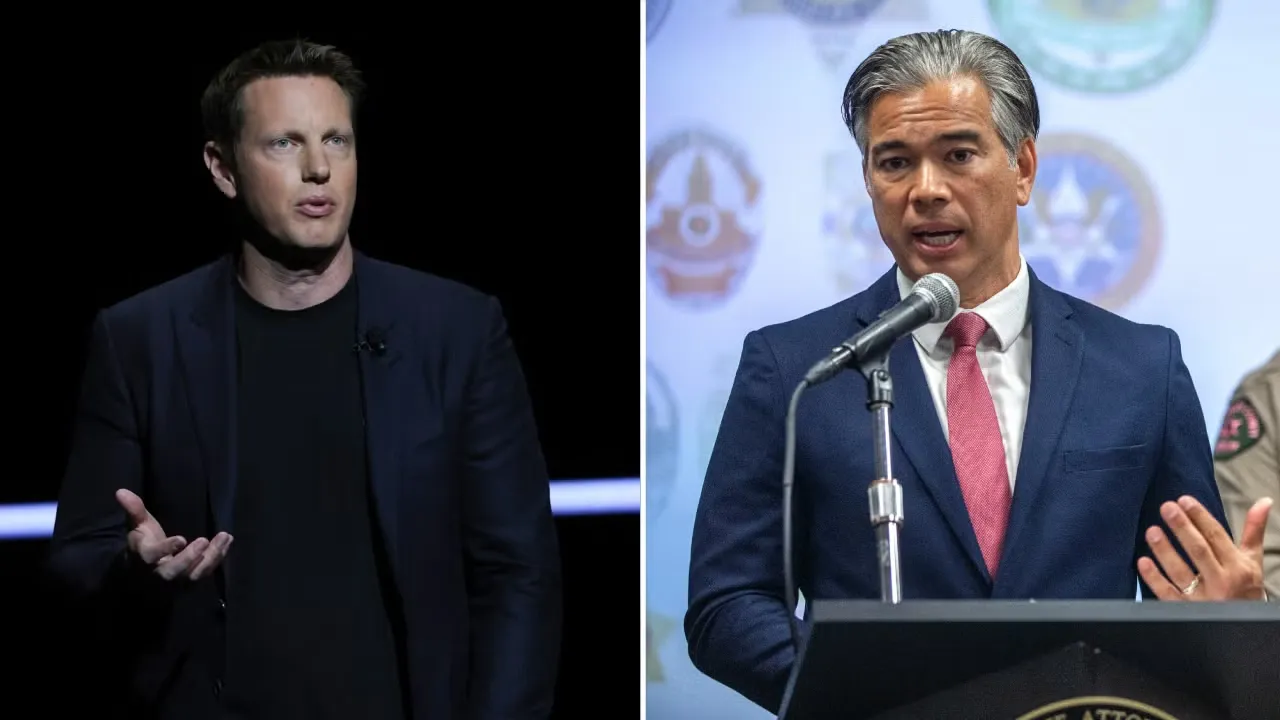
Paramount settles with 12 states, $110B Warner merger clears final hurdle
David Ellison's studio avoids a March trial and a $7M-a-day ticking fee by settling with state AGs over local job losses.