

The SpaceX-Tesla merger's biggest hurdle isn't Musk. It's Tesla's shareholders
Musk backs a $3.5 trillion tie-up, but a shareholder vote threshold and a 'conflicted party' CEO could decide its fate.
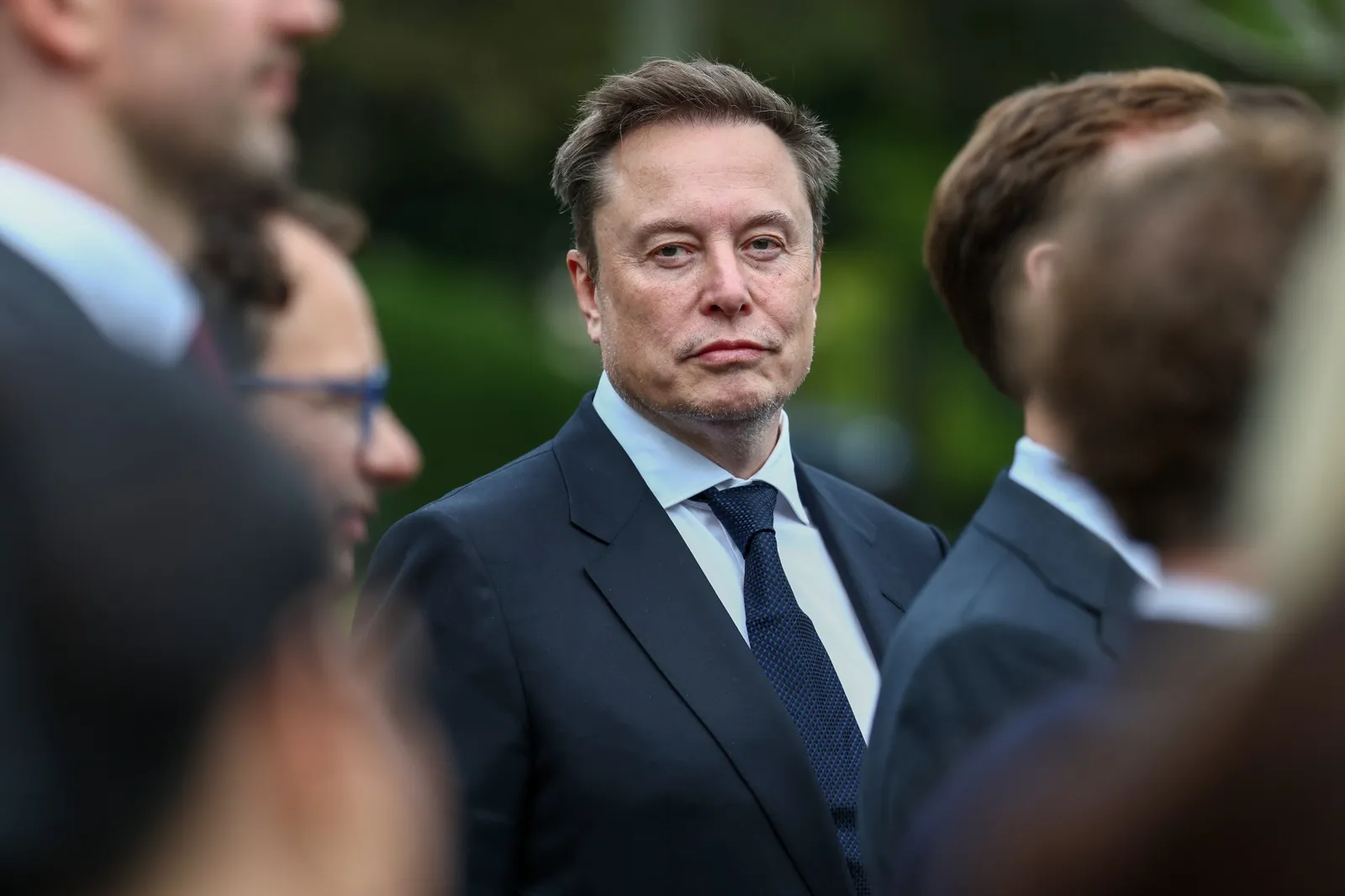
Elon Musk, CEO of both SpaceX and Tesla, endorsed a potential merger during Tesla's earnings call, but his own conflict-of-interest status and a strict shareholder vote threshold put the decision in investors' hands. The outcome will hinge on the premium offered and the ability to win over Tesla's dispersed shareholder base, with experts expecting the deal to eventually happen.
The biggest obstacle to a SpaceX-Tesla merger is not Elon Musk's ambition. It's Tesla's shareholders, who hold the power to veto a deal that would create a roughly $3.5 trillion behemoth, the largest corporate tie-up in history. Musk, CEO of both companies, endorsed the idea during Tesla's earnings call late Tuesday, calling it "a lot of merit." But his own stake makes him a "conflicted party," barring him from the independent director committees formed to explore the combination. "It's an odd kabuki dance where two groups of people are talking and I can't be in the conversation," he said. "This is definitely the kind of question where I feel like I'm tap dancing through a minefield."
The real gatekeeper is the shareholder vote. Musk controls about 85% of SpaceX's voting power but only roughly 20% at Tesla. To proceed, the deal needs support from holders of a majority of all outstanding Tesla shares, not just those voted. Unvoted shares count as "no" votes, a threshold Musk himself called "quite a high hurdle." Portfolio manager Luke Rahbari of Rational Equity Armor Fund likened the process to "herding cats," adding "it's going to take some time and money." University of Michigan finance professor Nejat Seyhun says the outcome hinges on price: "At a zero premium, probably there would be some resistance, but at 20%, 30% or 40% premium I don't think there would be any."
The strategic logic for merging is efficiency. Combining the two would let Tesla and SpaceX pool engineers, technology, and research budgets, eliminating overlapping spending as both push deeper into artificial intelligence. "The lines are getting kind of muddled already," Rahbari said, noting shared tech and data. Tesla already uses SpaceX's Starlink at some Supercharger stations, a partnership he calls "beneficial for both companies." That kind of synergy is why both Rahbari and Seyhun expect the merger to eventually happen and believe it would benefit both companies, despite the governance friction.
Financially, the timing is notable. Tesla reported quarterly earnings late Wednesday, beating top and bottom line estimates even as revenue fell from a year earlier on weakness in its core automotive business. SpaceX, meanwhile, posted its first profit as a public company this week. Investors reacted positively to the merger talk: SpaceX shares jumped nearly 8% on Wednesday, their best single-session gain since August, while Tesla rose 3.4%. The market is clearly pricing in a real possibility of a deal, even as Musk himself warned against treating it as inevitable.
"Some people out there assume that a SpaceX and Tesla merger is a certainty, and I think that would be overstating it," he told analysts on the earnings call. That caution is warranted. The vote threshold means Tesla's retail and institutional shareholders effectively get a veto, and their willingness to approve will depend on the premium and the narrative around it. A zero-premium deal would likely face resistance, but a 20% to 40% premium could smooth the path, according to Seyhun.
For boards and executives watching, the episode is a masterclass in governance friction. A founder with outsized voting control on one side and a dispersed shareholder base on the other creates a structural tension that no amount of vision can bypass. The premium offered, the communication strategy, and the patience to herd cats will determine whether this becomes the largest deal in history or a cautionary tale. The next few months will show whether Musk can turn his "tap dance" into a standing ovation.
This story's Key Insights and Take-aways are locked.
Create a free account to unlock Executive Actions for one credit.
Register to UnlockAlways free for Executives Club members. Join the Club
More in Business

A flaw in PHP just forced governments to pull their own sites offline
European agencies from Belgium to Germany took websites dark to patch a critical weakness in the language behind almost 70% of the web, and the blast radius extends far beyond government portals.

BioWare shuts down, Mass Effect 5 dead after $55B EA buyout
The legendary RPG studio's closure lands months after a $55 billion investment group buyout of EA, raising tough questions for gaming's biggest acquirers.
Musk barred from the room as Tesla, SpaceX boards weigh $3.5 trillion merger
The CEO of both companies is a 'conflicted party' watching independent directors negotiate a tie-up that would create a $3.5 trillion giant he would own about a third of.