

Tony Romo takes CBS Sports leave after Wisconsin DUI arrest
What CBS just did after Tony Romo’s arrest, and why media boards and talent managers should care now.
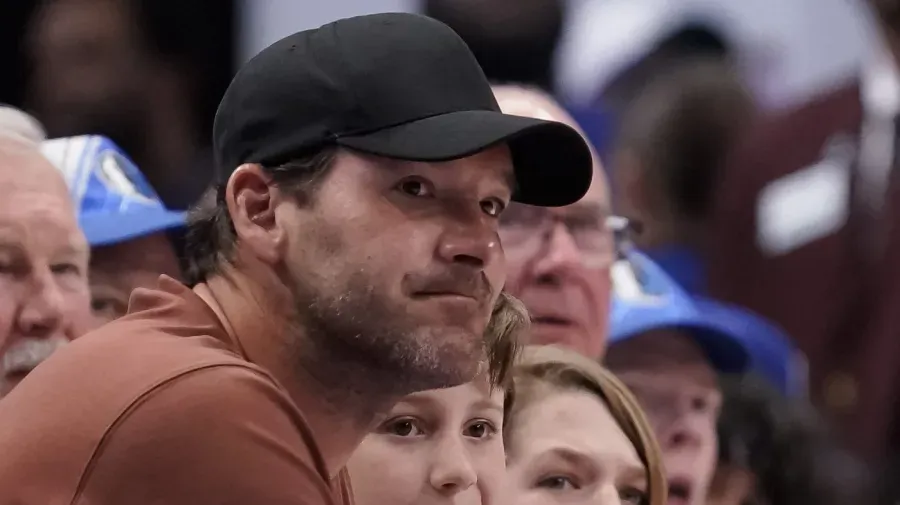
Tony Romo, 46, was arrested last week in Wisconsin on suspicion of operating a vehicle while under the influence. CBS Sports then placed Romo on leave, a move that forces media companies to act fast on compliance, reputational risk, and contractual continuity.
Tony Romo, 46, has been placed on leave from CBS Sports after his arrest last week in Wisconsin on suspicion of operating a vehicle while under the influence. That is the headline inside the headline: CBS is not waiting for a slow, formal timeline to play out before it adjusts how the talent relationship is managed in public.
For decision-makers, the practical takeaway is simple. When a high-profile on-air figure faces a DUI-related allegation, the risk is not only legal exposure. It is brand trust, advertiser confidence, internal standards, and the operational question of whether broadcasts can continue seamlessly without turning every segment into a fire drill. Romo's leave signals that CBS is treating the allegation as an immediate operational and reputational issue, not a “wait and see” moment.
This matters in the specific ecosystem of sports media. Broadcasters and streaming platforms build value by appearing steady. Viewers show up for games, highlights, and commentary. Sponsors show up for safe association. When a recognizable commentator is arrested, even if the matter is still only “suspected,” it creates a communications problem that can spill across partners. One ad placement does not just affect that single commercial break. It can influence broader sentiment around a network, and that in turn can tighten how brand teams evaluate risk for upcoming seasons.
There is also the compliance and governance layer. Most large media organizations operate with internal policies around conduct, workplace standards, and reputational risk. In many cases, those policies are not only about criminal outcomes. They are about allegations that could undermine the company’s stated values or disrupt business continuity. Even without adding any new facts beyond the report, the act of placing Romo on leave shows the standard corporate play: isolate the talent while the facts develop, and reduce ambiguity for employees, advertisers, and production teams.
Regulatory and legal systems add another wrinkle, but the key point for boards is timing. A DUI allegation can move through multiple stages, and those stages do not line up neatly with broadcast calendars. If a case drags, networks still need to decide what to do in the interim. If a case resolves quickly, networks must be ready to adjust course without looking like they acted rashly. Either way, leave becomes a tool to manage uncertainty while limiting downside.
For talent management, this episode is also a reminder that “celebrity” does not exempt anyone from operational consequences. Sports analysts and broadcasters often work under contracts that cover on-air roles, promotional appearances, and conduct expectations. Even when a company does not publicly detail the terms, the internal logic is usually straightforward: allegations that affect public perception can trigger reviews, suspension-like measures, or changes in assignments. CBS placing Romo on leave fits that logic, especially given the immediacy of how a live audience reacts to news.
Second-order effects are where the boardroom pays attention. If CBS moves fast, other media companies watching the situation learn how quickly they might need to act when their own talent is implicated in similar incidents. Competitors, producers, and talent agencies also calibrate their risk models. And internally, team leaders can adjust how they brief cast and crew, how they handle social media, and how they prepare contingency plans so a single off-field allegation does not disrupt the production rhythm.
The strategic stakes for executives in similar roles are not abstract. Media is a trust business. When a well-known personality is arrested on suspicion of operating a vehicle while under the influence, audiences and advertisers immediately connect the incident to the network's judgment and culture. CBS's decision to place Tony Romo on leave tells stakeholders that the company is prioritizing continuity and risk containment right now, while the legal facts play out.
This story's Key Insights and Take-aways are locked.
Create a free account to unlock Executive Actions for one credit.
Register to UnlockAlways free for Executives Club members. Join the Club
More in Politics
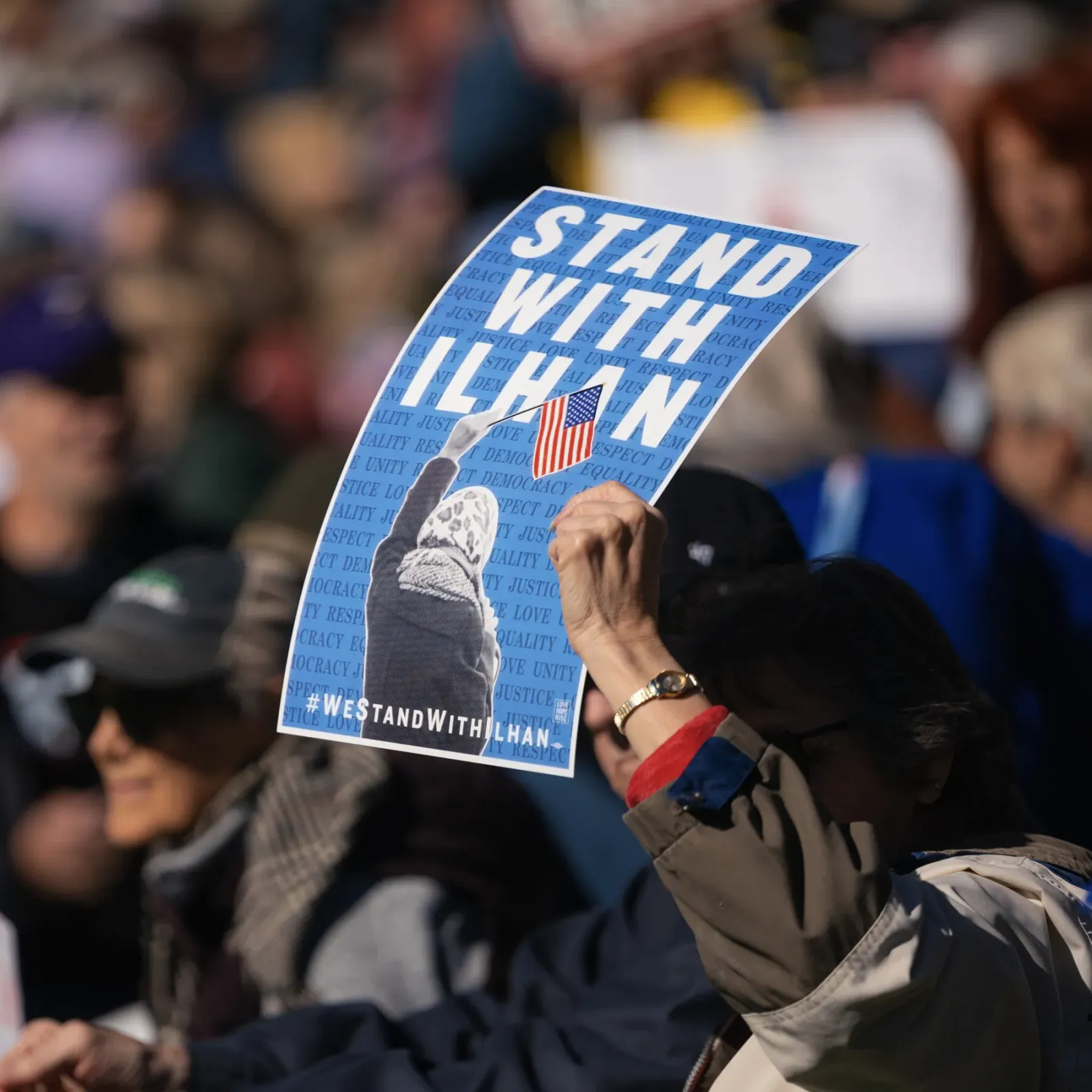
Obama Defends Ilhan Omar After Agents Search Her Home in Trump Inquiry
The former president's intervention raises the stakes in a federal probe into immigration paperwork that has put a prominent progressive lawmaker in the crosshairs.
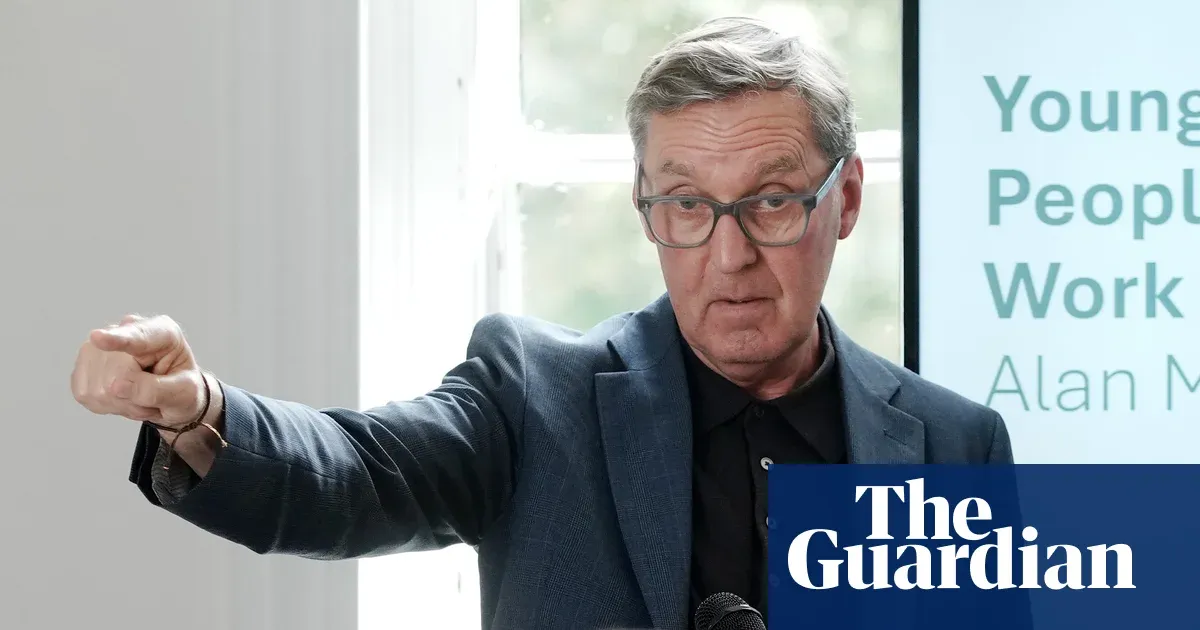
Blair-era minister: cut welfare to fund youth job support
Alan Milburn's call for welfare cuts to fund employment support opens a Labour fight over benefits and the Neet crisis.
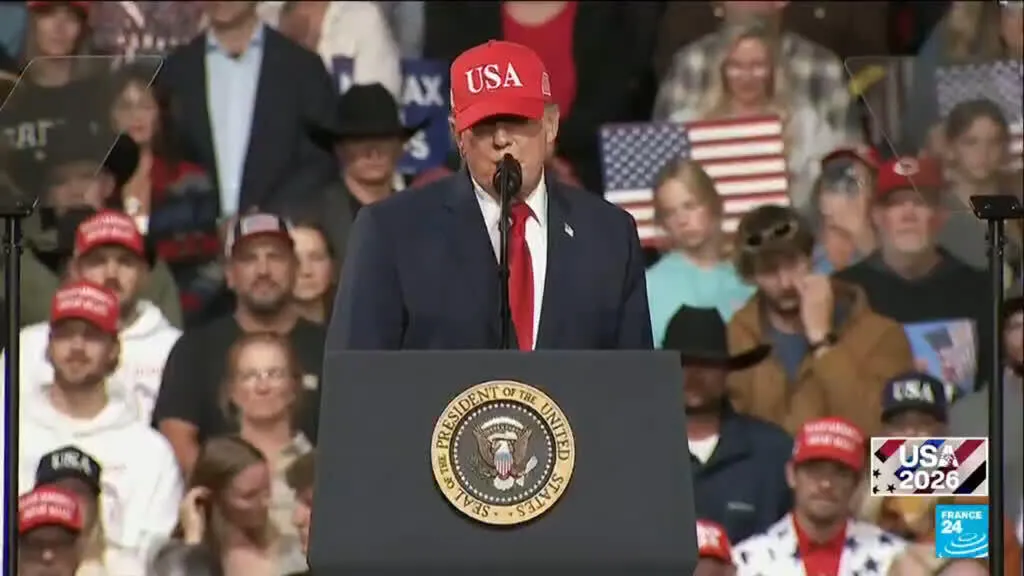
Hot September CPI: energy costs surge, voters feel the squeeze before midterms
The latest inflation print lands as Trump campaigns for GOP control of Congress, putting cost-of-living worries at the center of the midterm fight.