
Toy Story 5 reviews land: 92% praise, but critics flag script and screen-time messaging
What the first wave of reviews gets right, what it worries about, and why your “kid tech” narrative matters.
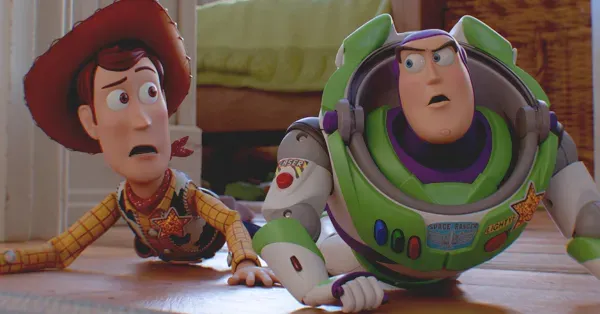
Pixar's Toy Story 5 is back in theaters with initial review coverage showing 92% approval alongside detailed concerns about cohesion and messaging. For decision-makers, the mix signals both brand durability and the growing reputational risk of how family films talk about screens and kids.
Woody, Buzz, Jessie, and the toybox return to theaters this weekend in Toy Story 5, and the first reviews are now online. The headline figure is hard to miss: Toy Story 5 (2026) has a 92% approval rating in the Rotten Tomatoes snapshot included with the coverage. Critics repeatedly describe it as smart, funny, visually gorgeous, and heartwarming, with “outstanding character work” and the kind of polished animation Pixar is expected to deliver.
But the same early consensus also includes an asterisk your stakeholders will care about. Multiple reviews call out minor issues with the script, a message some audiences may read as a little forced, and structural problems like “cluttered subplots” and a “somewhat less cohesive storyline.” In other words: this is not a “nobody saw this coming” failure. It is a strong debut with enough creative friction in the commentary to matter for brand, licensing, and any future approvals tied to how these stories land.
Zoom out to why this is an exec story, not just a movie hot-take: Toy Story is an industrial franchise. The reviews make clear that Pixar is maintaining the series’ baseline craft while still evolving it. One critic frames it as belonging to Jessie and Bonnie, and another says it “foregrounds the human side of the story” in a way the series has never done before. Several reviewers also emphasize the film’s comedic pivot. One review says it feels like “more of an outright comedy than past installments,” and another notes the imaginative-play sequences are rendered with “high-comedy” childlike logic. That blend matters because it supports the family-audience promise without fully resetting the tone the audience already trusts.
Now the second-order issue: messaging about kids and screens. Reviews say the filmmakers bring home the point that children need physical interaction and communication with other kids to develop and grow, and that in a world where kids and adults are increasingly consumed by screens, the film acts like a “gentle, necessary wake-up call.” But not everyone is buying the delivery. One review criticizes moments that can feel like a “PSA aimed at convincing parents to monitor their kids’ screen time,” while another compares it to a story about climate change ending with the sun beginning to shine. Others push back on any assumption of anti-tech stance, with one review explicitly saying the film isn’t tech-phobic or anti-tech, but instead warns that too much screen time may rot your brain and make kids socially inept.
For leadership teams managing media risk, that distinction is the whole game. When a family IP touches parenting topics like screen time, you are not just shipping entertainment. You are navigating cultural expectations and potential scrutiny from parents, educators, and regulators depending on the market. Even though the source here is reviews (not enforcement), the pattern is clear: the film’s message is both a selling point for some viewers and a reputational liability for others if it reads like lecturing. That’s why you see critics split between “easy to endorse” themes and complaints that the narrative becomes less natural when it tries to persuade.
The script and structure concerns, meanwhile, point to another business reality: sequels operate under tight constraints. Multiple reviews mention disjointed or scattershot storytelling due to multiple storylines. One critic says it falters at the start but pulls itself together brilliantly. Another says it escalates in delight and even flags a climactic wedding ceremony that must be seen to be believed. Yet others say it doesn’t quite justify its existence, or that it pushes the material too far by finding a compelling new topic but failing to build a sturdy structure. This is the classic sequel problem: the audience wants familiarity, but the creative team has to add something new without turning the narrative into a patchwork.
There is also a production-and-portfolio subtext to all of this. Andrew Stanton directs Toy Story 5, and the coverage highlights that he and co-writer Kenna Harris approach the screen-time topic with “much more nuanced” thinking than some might expect. The reviews also stress that the movie works because it has heart and conviction, believing tech toys are not innately bad and can serve to bring joy. That is not a random line. It is a brand positioning strategy: acknowledging concerns while refusing to demonize technology outright, which helps keep the franchise aligned with mainstream parents and the realities of modern childhood.
So what should executives, investors, and operators take from these first reviews? The answer is not “Pixar is back,” because the source already shows critics calling it another triumph. The strategic stake is the durability of the franchise under scrutiny. With a 92% approval headline and credible praise for characters and visuals, Toy Story 5 has strong momentum. But the recurring notes on script cohesion and the possibility of an overly persuasive screen-time message are exactly the kind of creative-side risk that can affect long-tail word of mouth, awards conversations, and future internal approvals for family-facing narratives. If your organization is underwriting IP or platform partnerships, this is a reminder: the most powerful lever is not just what you animate, it is what your story asks parents to do with their beliefs.
This story's Key Insights and Take-aways are locked.
Create a free account to unlock Executive Actions for one credit.
Register to UnlockAlways free for Executives Club members. Join the Club
More in Entertainment

Russell Brand's accuser 'bewildered and confused' as he denies 7 sex charges
The criminal case against the comedian is a live test of how media companies manage talent risk when serious allegations go public.

'It's a Magic Trick': Ballet Experts Say Rosalía's SNL Pose Is Impossible
Three ballet experts tell Rolling Stone Rosalía's gravity-defying SNL stillness shouldn't be possible - and why the debate is now part of the show.

Activision CMO: GTA 6 Will Boost Call of Duty, Not Bury It
Activision's top marketer says Rockstar's blockbuster will drive players back to consoles and into Modern Warfare 4, even as the company admits its recent strategy failed.