

Toyota group sells stakes across dozens of companies, reshaping its long-term portfolio bets
A quiet unloading by Toyota group highlights how auto giants manage cross-share holdings, capital efficiency, and governance expectations.
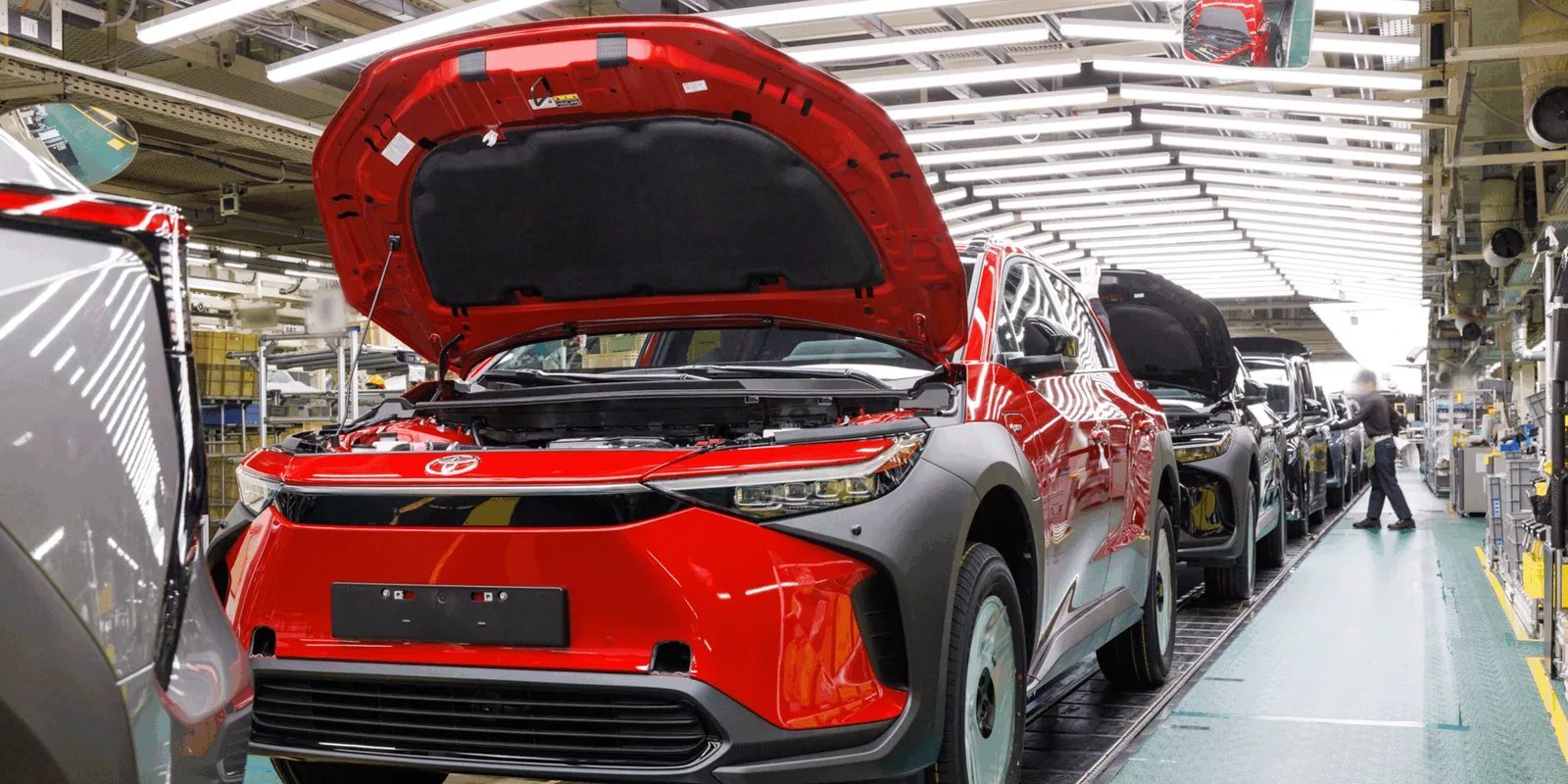
Toyota group is unloading shares across dozens of companies, according to Nikkei Asia. For decision-makers, the move signals continuing portfolio cleanup and a shift toward more explicit capital allocation rather than cross-holding inertia.
Toyota group has started unloading shares across dozens of companies, a move that lands in a very specific place in Japanese corporate life: the sprawling ecosystem of cross-shareholdings. In plain English, this is the practice where companies hold each other's stock, often to strengthen business relationships and soften economic shocks. It can also be a tax on shareholder capital efficiency, because money stays parked in equities that may not be the highest-return use of cash.
The headline detail matters because selling across dozens of companies is not a one-off liquidity tweak. Nikkei Asia frames it as a broader unload, which implies the Toyota group is actively pruning its portfolio rather than just trimming a single position. That kind of portfolio surgery usually takes time, internal coordination, and board-level agreement, because it changes both financial optics and relationships with counterparties that have become accustomed to stable, friendly ownership.
To understand why this matters, you have to understand what Japan has been trying to fix for years. Corporate governance reforms have pushed companies to justify why they hold large blocks of other firms’ shares. Regulators and investors have asked harder questions about whether cross-shareholdings actually improve long-term value, or whether they exist more out of habit, history, and relationship management. When pressure builds, these holdings often become the first place companies look to free up capital, simplify balance sheets, and align more directly with shareholder expectations.
Now put that under the Toyota microscope. Toyota is not a small company with a thin equity base where any sale automatically whipsaws markets. It is a platform company. When Toyota moves, peers notice, boards notice, and counterparties notice. Even if Toyota’s individual sales are spread out over time and across many holdings, the directional signal can still be loud: cross-holding is not sacred, and portfolio “stability” is no longer a universal justification for tying up capital.
The second-order effects are where the real boardroom drama tends to live. First, selling shares can change the status of business partners who previously benefited from a degree of implicit support. Cross-shareholdings can be a form of financial insulation, but they are also a form of mutual signaling. When one party exits or reduces exposure, it can force the other party to reassess how much the relationship is underpinned by capital ties versus operational cooperation.
Second, unloading across dozens of companies can also change internal capital allocation incentives. Markets and governance frameworks reward clearer capital discipline. That can mean boards become more willing to redirect capital to higher-visibility uses like buybacks, dividends, or reinvestment tied to strategy. It does not automatically mean Toyota is changing its business model. It does mean the company is making a choice about what it wants its balance sheet to say about priorities.
Third, there is the question of how these sales interact with valuation and liquidity. Even when a company sells thoughtfully, market structure matters. Large Japanese cross-holding networks can include a mix of liquid and less-liquid names. Coordinating sales in many companies at once can be operationally complex. It requires patience, timing, and sometimes negotiation with market absorption, otherwise you risk unnecessary price pressure. That complexity is another reason this is best read as an organized portfolio decision, not a casual rebalancing.
For executives and directors at other large Japanese groups, Toyota’s unloading is a reminder of where the incentives are moving. Boards are increasingly expected to demonstrate that every major investment, including equity stakes in other firms, earns its keep. When a heavyweight like Toyota reduces holdings across dozens of counterparties, it raises the standard for everyone else: “Are we holding these shares for value creation, or for convenience?” And when the answer is convenience, governance reform turns that convenience into a budget line item that will eventually be cut.
Finally, there is the strategic stake for investors and partners. Portfolio cleanup can be a sign of maturation, but it can also be a signal of shifting priorities. If Toyota is taking the time to unload stakes broadly, counterparties may have to plan for less stable ownership support. That could change how companies approach partnership financing, capital negotiations, and even the tone of future strategic discussions.
In short, this is a quiet but consequential form of corporate housekeeping. Toyota group is unloading shares across dozens of companies, and the move fits into Japan’s long-running push toward more explicit governance and capital efficiency. For decision-makers, the real takeaway is not the mechanics of selling. It is the direction: large cross-share networks are no longer guaranteed to stay locked together, and boards that treat capital as “set it and forget it” are being tested on whether it still deserves the space.
This story's Key Insights and Take-aways are locked.
Create a free account to unlock Executive Actions for one credit.
Register to UnlockAlways free for Executives Club members. Join the Club
More in Business
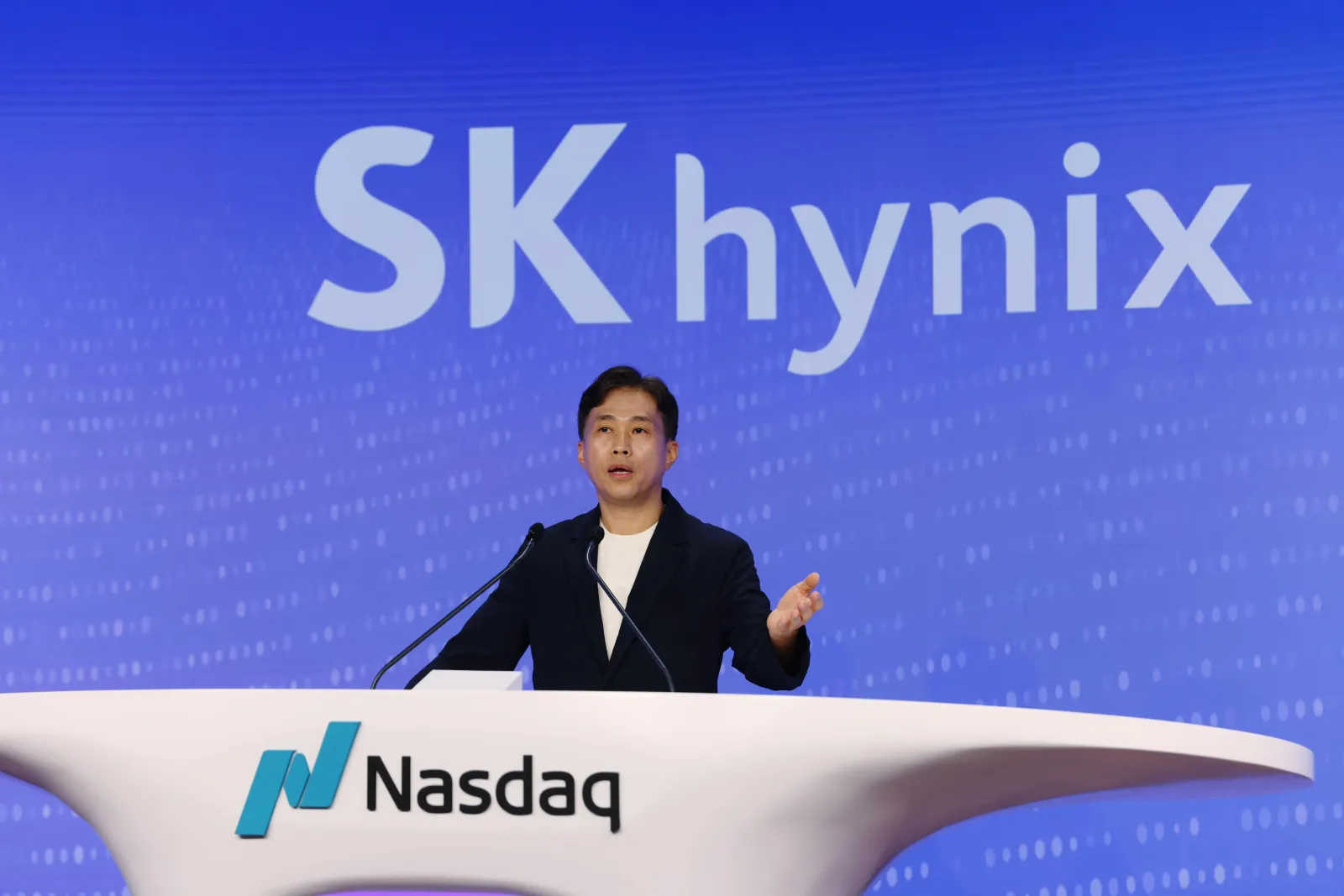
SK Hynix opens at $170, raises $26.5B, and tops foreign IPO records
In Friday's Wall Street debut, SK Hynix turns AI RAM demand into a $26.5B fundraising moment that rewrites comps.

China lands a reusable Long March booster, a first that matches SpaceX and Blue Origin
A barge landing and net-based recovery move China from theory to proof, reshaping the reusability race and satellite ambitions.

AstraZeneca $27B wipeout as Wainua late trial misses cardiovascular target
A failed late-stage heart study triggered a swift market punishment, forcing investors and boards to reset timelines and risk.