
Trump blames Tim Walz for water hacks, while FBI and EPA point to Iran
A Minnesota water cyberattack wave is spreading, but the public blame game just took a detour.
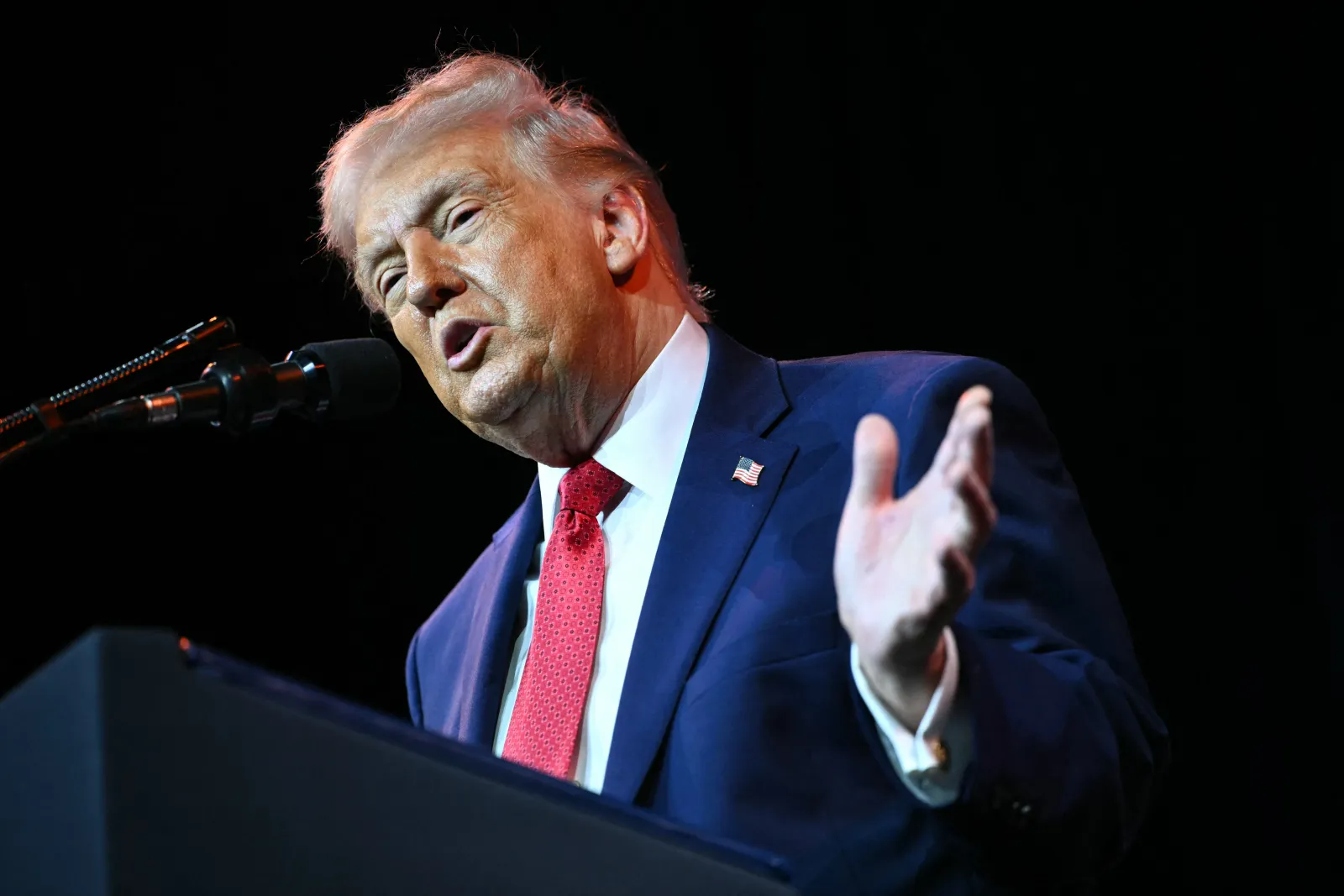
Donald Trump told reporters he blames Governor Tim Walz for cyberattacks on Minnesota's water systems, insisting,
Donald Trump told reporters that Governor Tim Walz is to blame for cyberattacks on Minnesota's water systems, adding, “I don't think there was an Iranian cyberattack.” The problem is timing and context: federal agencies have stopped short of officially blaming Iran, but the “consensus” described in the report is that Iran is likely behind the attacks.
This mismatch matters because Minnesota is already dealing with a large, concrete targeting pattern. The FBI, the EPA, and the Cybersecurity and Infrastructure Security Agency (CISA) have warned that cyberattacks on American infrastructure are spreading to other states. In Minnesota alone, at least 30 community water systems had been targeted, according to the report. So when Trump frames the story as primarily a domestic political accountability issue, it clashes with a national security framing that is still being built through federal warnings.
To understand why this is a big deal for decision-makers, zoom out one layer. Water systems are operational technology targets, not just “IT systems you can patch next quarter.” Once attackers can access or disrupt services tied to community water, the risk quickly becomes about continuity, public safety, and long-running remediation costs, not just downtime. That is exactly why agencies like the FBI, the EPA, and CISA get involved: they are trying to coordinate threat awareness and incident response across a landscape where the weakest link could be a small operator running critical controls.
The report also highlights an important regulatory and communications reality: federal agencies “stopped short of officially blaming Iran,” even while consensus points there. In practice, that means investigators are likely working through evidentiary standards needed for attribution, while still pushing urgent warnings for defense. From a leadership standpoint, this creates a tricky environment for messaging inside organizations and across sectors. Boards and executives still need to act as if the threat is real and likely state-backed, even when the official attribution language is cautious.
Then comes Trump’s comments at the House Republican Party member retreat, which adds another layer of pressure. Political leaders often want a clean narrative: one villain, one chain of responsibility. But the report is clear that the federal warning posture is broader, focused on infrastructure attack spread rather than a single domestic scapegoat. That difference can distort how some stakeholders interpret risk, especially if audiences decide whether to take action based on who is being blamed instead of what is being attacked.
For operators and executives in adjacent industries, the second-order effect is the incentive to underreact. When public discourse turns into partisan blame, leaders can face internal friction over whether to invest in defenses that do not have immediate, visible ROI. Cybersecurity spending is already hard to justify to non-technical stakeholders, particularly when incidents are still being attributed and details may evolve. If the narrative suggests the story is mostly political, some decision-makers can delay upgrades, incident playbooks, or vendor reviews that would otherwise be prioritized.
There is also a governance implication. In critical infrastructure, boards typically need to oversee risk with a “defense-in-depth” mindset: assume multiple threat pathways, test for operational impact, and ensure coordination between security teams and operational leadership. A communications environment that contradicts federal consensus can complicate that oversight. Leaders might have to explain to stakeholders why they are aligning with agency guidance even when political leaders publicly argue against a specific attribution.
Finally, the strategic stakes are not limited to Minnesota. The FBI issued a warning that the cyberattacks on American infrastructure were spreading to other states, and Minnesota had already seen at least 30 community water systems targeted. If similar targeting expands, the cost of preparedness goes up, not down, because more systems become exposed and response timelines tighten. For executives and boards across infrastructure, energy, logistics, and other critical sectors, the question becomes less “Who did it?” and more “How fast can we reduce operational risk while attribution is still contested?”
This story's Key Insights and Take-aways are locked.
Create a free account to unlock Executive Actions for one credit.
Register to UnlockAlways free for Executives Club members. Join the Club
More in Politics
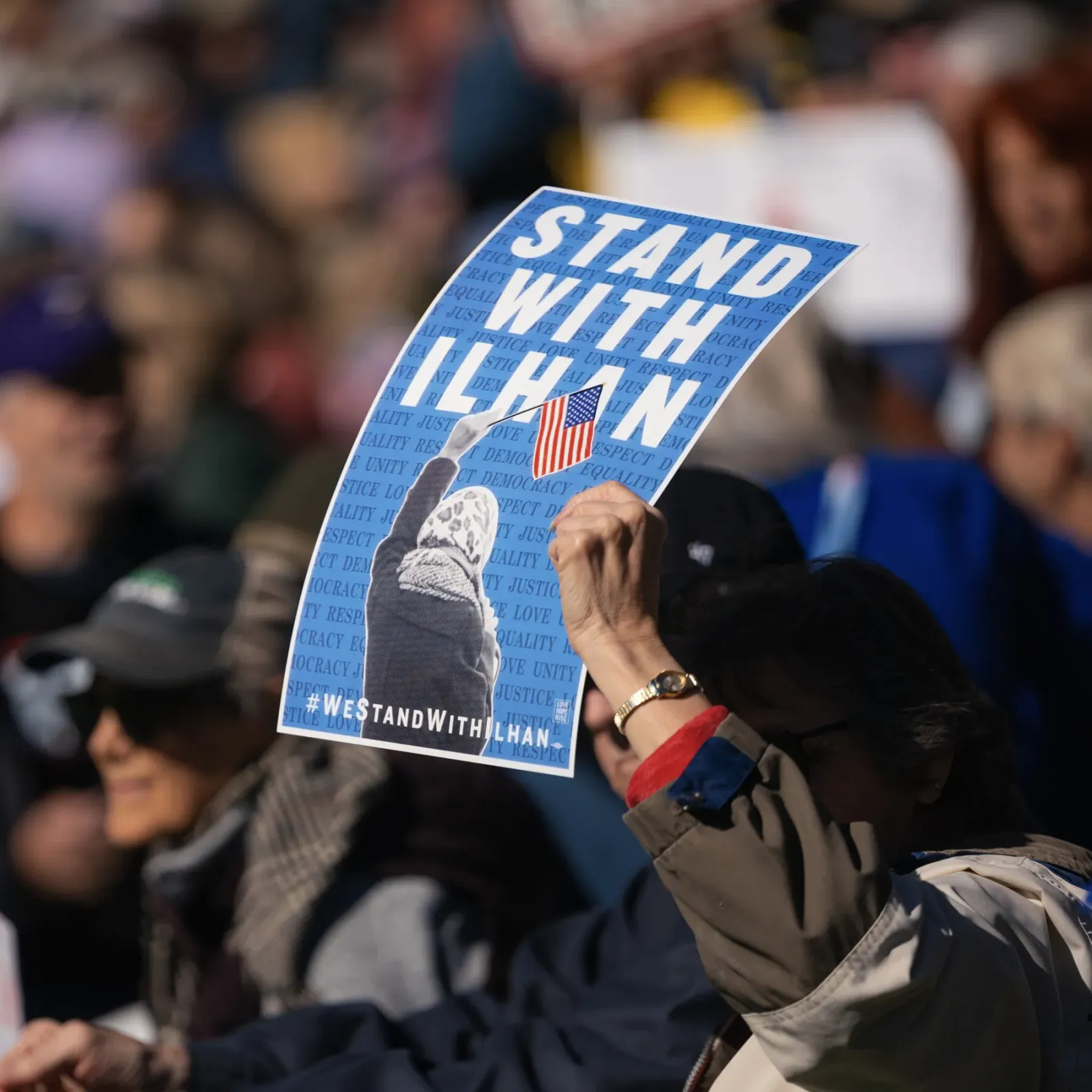
Obama Defends Ilhan Omar After Agents Search Her Home in Trump Inquiry
The former president's intervention raises the stakes in a federal probe into immigration paperwork that has put a prominent progressive lawmaker in the crosshairs.

Blair-era minister: cut welfare to fund youth job support
Alan Milburn's call for welfare cuts to fund employment support opens a Labour fight over benefits and the Neet crisis.
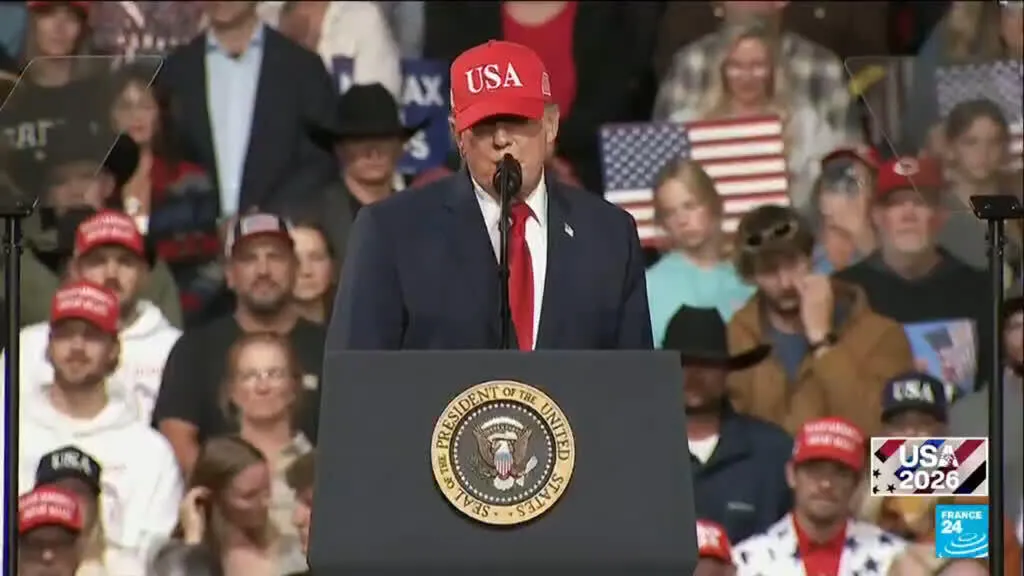
Hot September CPI: energy costs surge, voters feel the squeeze before midterms
The latest inflation print lands as Trump campaigns for GOP control of Congress, putting cost-of-living worries at the center of the midterm fight.