
Trump bombs for a full hour at WHCD, then admits the only joke “wasn’t great laughter”
An hour-long White House Correspondents' Dinner set turned into awkward silence and visible cringe, with journalists staying seated.
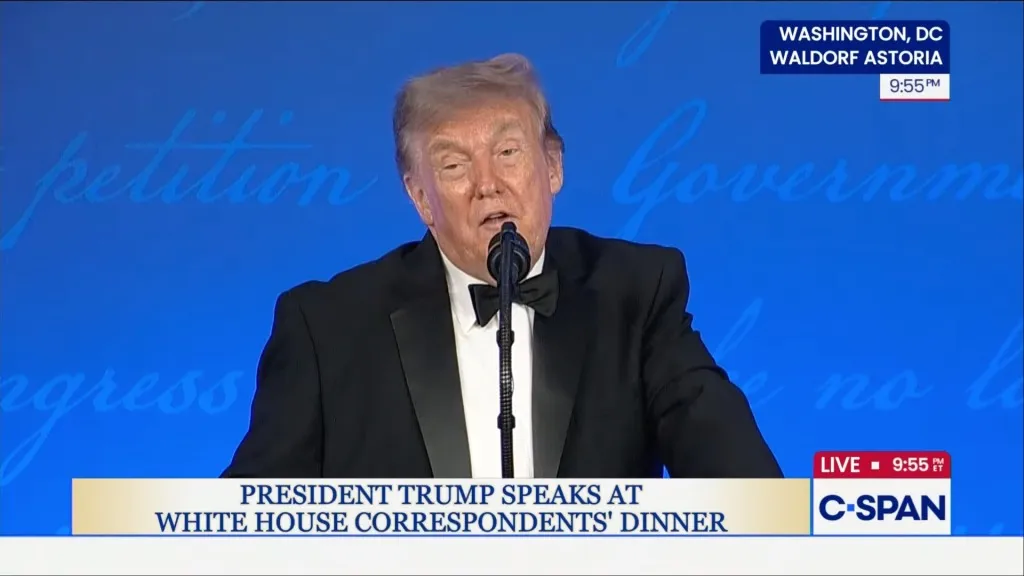
Donald Trump delivered an hour-long comedy set at the White House Correspondents' Dinner where, according to reporters, the jokes landed poorly. The fallout was immediate for WHCD optics and more broadly for how political leaders manage credibility in front of elite audiences.
The White House Correspondents' Dinner was supposed to be the big, bipartisan pressure release valve: jokes, goodwill, and an annual reminder that Washington can laugh at itself. Instead, Donald Trump treated the room like he was hosting a rally, openly questioning the whole assignment, and then watched his own material collapse in real time. Reporters in the room described “palpable cringes,” and when the speech ended, many journalists remained seated and did not applaud.
Trump started with a blunt uncertainty about the format, wondering, “What do we do here?” and whether he was meant to treat the evening as fun, serious, or comedic. From there, he delivered an hour of harsh jabs and what The Washington Post’s Maura Judkis described as lead-balloon jokes, with CNN’s Betsy Klein saying many attendees were on phones or chatting among themselves. Multiple outlets also reported that people mostly stared straight ahead rather than reacting, which is a particularly brutal outcome at an event designed for public performance.
What made it feel so consequential, beyond simple awkwardness, was how the jokes clashed with the WHCD’s implicit contract. A dinner like this is a trust exercise. Executives and board-level audiences understand these moments because they mirror investor days and high-stakes earnings calls: timing and delivery matter, the room is evaluating tone, and goodwill is part of the product. If you seem to disregard the social cues, you do not just “bomb.” You signal a misfit between your incentives and the audience’s expectations. That mismatch is what turns a speech into a reputational asset loss.
The clip that went especially viral shows how quickly comedy at this venue can become a brand safety problem. Trump butchers a joke about Nicki Minaj twerking at the previous WHCD, an event that had been abandoned halfway through when a gunman rushed into the venue. Even when jokes aim for irreverence, references tied to traumatic disruption have a different weight. The irony is sharp: a night meant to demonstrate control and polish can look careless if the humor does not respect the emotional context.
The report also includes specific examples of confusion and meandering content that added to the impression that the set was not landing. Trump said at one point that he confused CNN reporter Kaitlin Collins with Dylan Mulvaney. He also offered a rambling joke about a regime being toppled, former leaders being removed, and then being run by a gay dictator facing internal divisions, before adding a line about “wish[ing] Bari Weiss all the best at CBS News,” calling her “a wonderful woman.” The problem for an audience is not that any one line is offensive in the abstract. It is that the joke structure appears to drift, break pacing, and miss the collective rhythm that an event like WHCD depends on.
There was, notably, one segment described as the most effective joke: Trump talking about the steaks in the room being from a cow that Robert Kennedyd Jr. had run over on the way there. In other words, the best-received bit was oddly specific and grounded in the event’s own material reality. But the damage was already done. Reporters described him as able to tell the room was not with him. When a joke about gerontocracy did not land, he said, “That was actually the only thing I thought was good in this whole fricking stupid speech. It was the only good one, and that went down with not exactly great laughter.” That self-lashing reaction matters because it breaks a second, unstated rule: when you are losing, you cannot correct by attacking. Comedians, as the piece notes, treat lashing out as the last move you want when you are bombing.
Then there was the ripple effect on the next act. Oz Pearlman, the mentalist who came back for round two, had to follow the performance. At one point, he directly asked the room if it was alive. Per Judkis, people were too burnt out from Trump’s speech to participate, and she wrote, “I saw several people get up and leave as he took to the stage.” In executive terms, think of it like a major segment that breaks audience attention for the rest of the program. Even strong follow-on programming struggles if you drain the room’s energy and willingness to engage.
So what does this mean beyond one weird night? The WHCD is not a regulator, but it is a proxy stage for elites: journalists, political operatives, and public-facing figures who understand how narratives work. When a high-profile leader visibly loses the room, it raises questions about judgment, audience fit, and control of tone. It also creates an immediate information problem. News clips travel fast; journalists remember what they felt in the moment, and that becomes the story. For peers in politics, media, and corporate leadership, the strategic stake is simple: credibility is not just what you say, it is how the room reacts. At a dinner built around laughter, the headline reality here is that many journalists did not applaud, and plenty looked elsewhere while the speech dragged on.
Executives and board-level leaders can take the subtext without turning it into self-help. If you want elite audiences to engage, you cannot treat their expectations as optional. You need rhythm, respect for context, and a willingness to adjust before the set collapses. Trump’s hour at the WHCD did not just “land badly.” It demonstrated how quickly an audience can withdraw attention, how viral moments can amplify missteps, and how hard it is to recover once you lose the room.
This story's Key Insights and Take-aways are locked.
Create a free account to unlock Executive Actions for one credit.
Register to UnlockAlways free for Executives Club members. Join the Club
More in Politics
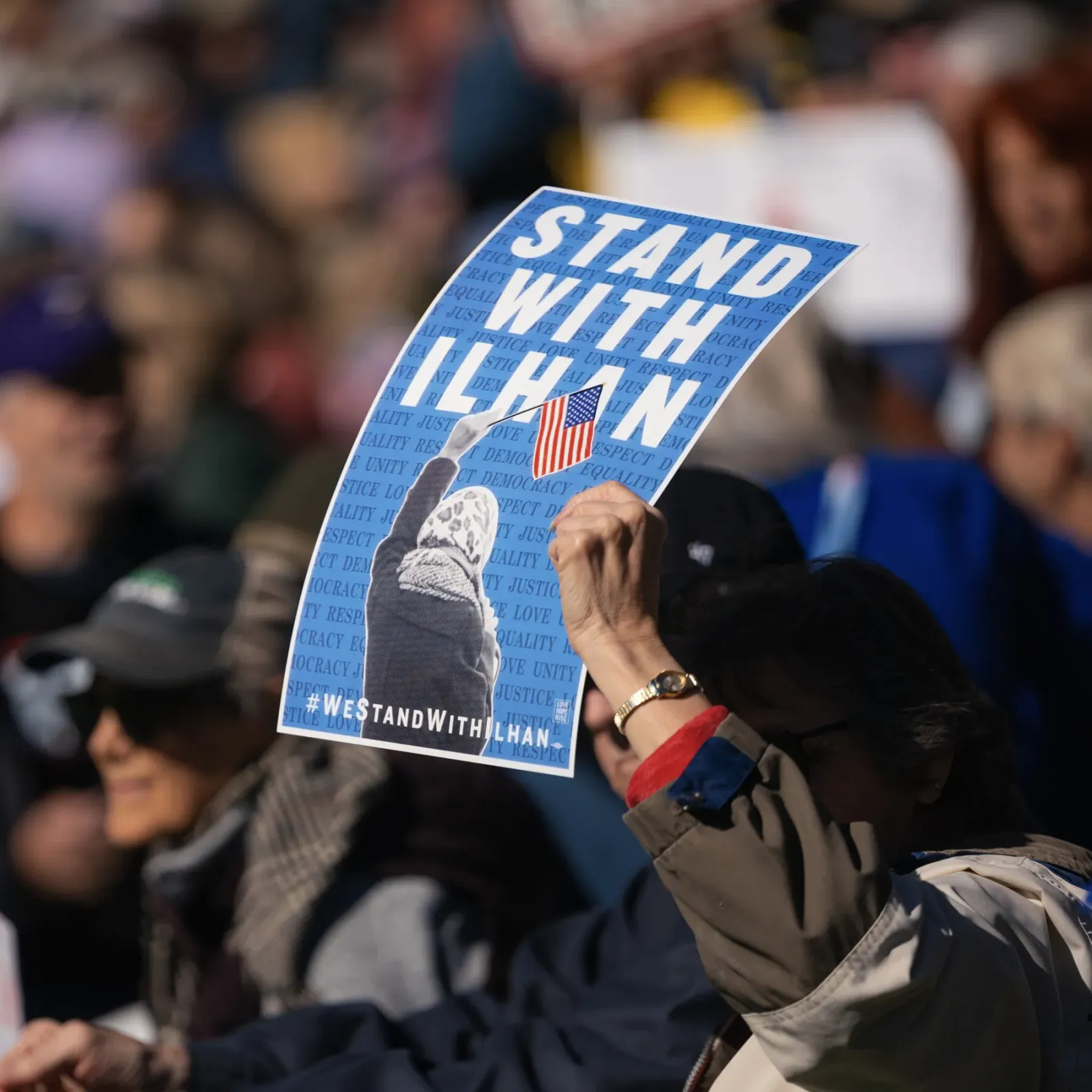
Obama Defends Ilhan Omar After Agents Search Her Home in Trump Inquiry
The former president's intervention raises the stakes in a federal probe into immigration paperwork that has put a prominent progressive lawmaker in the crosshairs.

Blair-era minister: cut welfare to fund youth job support
Alan Milburn's call for welfare cuts to fund employment support opens a Labour fight over benefits and the Neet crisis.
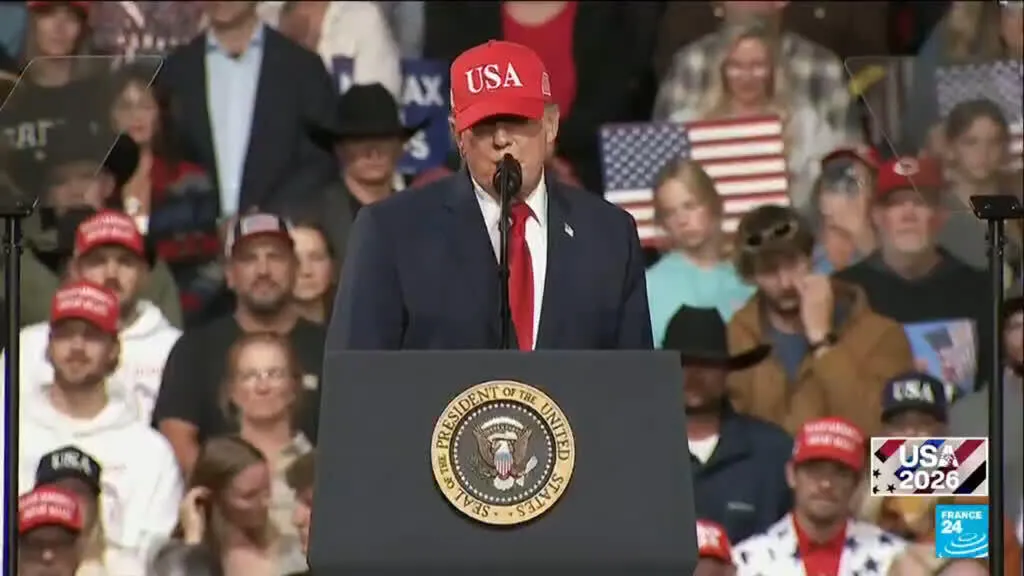
Hot September CPI: energy costs surge, voters feel the squeeze before midterms
The latest inflation print lands as Trump campaigns for GOP control of Congress, putting cost-of-living worries at the center of the midterm fight.