

Trump calls AI safety push a 'sick conspiracy' as Anthropic CEO urges pause
Amodei wants a coordinated industry slowdown and on-site safety evaluators; Trump and GOP leaders are blocking it, leaving regulation stalled.

Anthropic CEO Dario Amodei called for a coordinated AI slowdown and permanent on-site safety evaluators, while OpenAI's Sam Altman said his company would not go public this year. President Trump rejected the push as a 'sick conspiracy,' signaling that U.S. regulation will stay stalled and forcing boards to weigh voluntary safety commitments against political risk.
President Trump fired back at Anthropic CEO Dario Amodei's call for a coordinated AI slowdown, posting on Truth Social that the only guardrails AI needs is a 'STRONG AND SMART (High IQ!) PRESIDENT' and accusing Amodei of 'pretending to be a perfect little angel.' Trump said his administration had already stopped Anthropic from 'doing bad, or potentially bad, things,' and claimed there is 'a SICK conspiracy going on against AI and Data Centers, and the only one that is happy about it is China.' The broadside came just days after Amodei published a blog post urging frontier labs in democratic countries to coordinate a pause or slowdown in AI development, a proposal that has suddenly thrust existential-risk debates into the mainstream political arena.
Amodei's proposal is not just a philosophical manifesto. He said Anthropic would appoint independent evaluators to be permanently on-site at its offices to review safety work, naming the nonprofit AI evaluation company METR as his preferred partner. He also acknowledged that coordinating with other AI labs could require an antitrust exemption from the government, and he called on the U.S. and other democracies to seek an international AI governance agreement with China and authoritarian states, if possible. OpenAI CEO Sam Altman quickly endorsed most of Amodei's plan, saying OpenAI would also embed outside evaluators alongside its research teams, though he was careful to note that 'pacing does not mean stopping.' Altman also said OpenAI would not go public this year, in part due to current safety concerns and in part because the business is not yet in the right place. He added that he would have no problem telling investors that OpenAI had taken actions prioritizing safety that cost them financially, and that investors were warned of this possibility going in.
The timing is no accident. The drumbeat of dire warnings from employees resigning from - or in some cases still working for - Anthropic, OpenAI, and Google DeepMind has dominated the global news cycle for an entire week. Former Anthropic and OpenAI safety researcher Jacob Coxon's resignation jeremiad landed with unusual impact, according to Fortune's Nick Lichtenberg, because coverage of 'rogue AI' episodes and people's own experiences using AI agents have opened the Overton window on discussing 'loss of control' dangers. The timing, with Anthropic on the verge of an IPO and OpenAI edging closer to one, also played a role.
Lawmakers have responded with a flurry of proposals. Vermont independent Sen. Bernie Sanders introduced a bill calling for an outright ban on the development of 'artificial superintelligence' and mandating that U.S. AI companies pause current research until safety techniques improve. A bipartisan bill from Republican Sen. Ted Cruz, Senate Majority Leader John Thune, and Democratic Sen. Amy Klobuchar would impose a duty on AI companies to prevent catastrophic harms. Former President Barack Obama urged Democrats to put AI governance at the center of their legislative and campaign agenda, and 70 U.K. parliamentarians signed an open letter calling for a ban on creating artificial superintelligence and an international AI treaty.
But the political headwinds are severe. Republican Speaker of the House Rep. Mike Johnson said fear of AI was drummed up by the media and that 'we're not going to take stupid, knee-jerk reaction prescriptions on this.' Chinese state media also criticized Amodei's proposals as 'self-serving' and 'Cold War tactics' designed to hobble China's technological and economic rise. Trump made similar comments in a phone call to Nvidia CEO Jensen Huang, which Huang broadcast to a live audience at an 'All in Podcast' summit. The result: prospects for an executive order mandating improved AI safety are poor, and actual legislation appears unlikely at least until after the November midterms.
One of the thorniest issues is antitrust. Some, such as former Trump administration AI and crypto czar David Sacks, argue AI companies do not need an antitrust waiver to coordinate a slowdown. But there are legitimate concerns that any discussion of a pause - or a coordinated decision not to undertake certain product innovations - could create antitrust issues. Currently, each new generation of AI models tends to drive down the cost of existing, older models. So limiting the rollout of newer models would potentially keep prices higher for longer for consumers, which would seem to open the AI companies to price-fixing claims.
For executives and boards, the strategic stakes are now clear. The public debate has shifted from jobs and education to existential risk, and the CEOs of the two most prominent AI labs are publicly endorsing slowdowns and independent safety evaluators - even without government mandates. But with Trump and Republican leadership actively hostile to regulation, any voluntary coordination will happen in a legal gray zone, and companies that move first may face political backlash or antitrust exposure. Investors should watch whether OpenAI and Anthropic follow through on their promises of on-site evaluators and whether any coordinated pause actually materializes, because the next few months will determine whether safety commitments are real or just positioning.
This story's Key Insights and Take-aways are locked.
Create a free account to unlock Executive Actions for one credit.
Register to UnlockAlways free for Executives Club members. Join the Club
More in Business
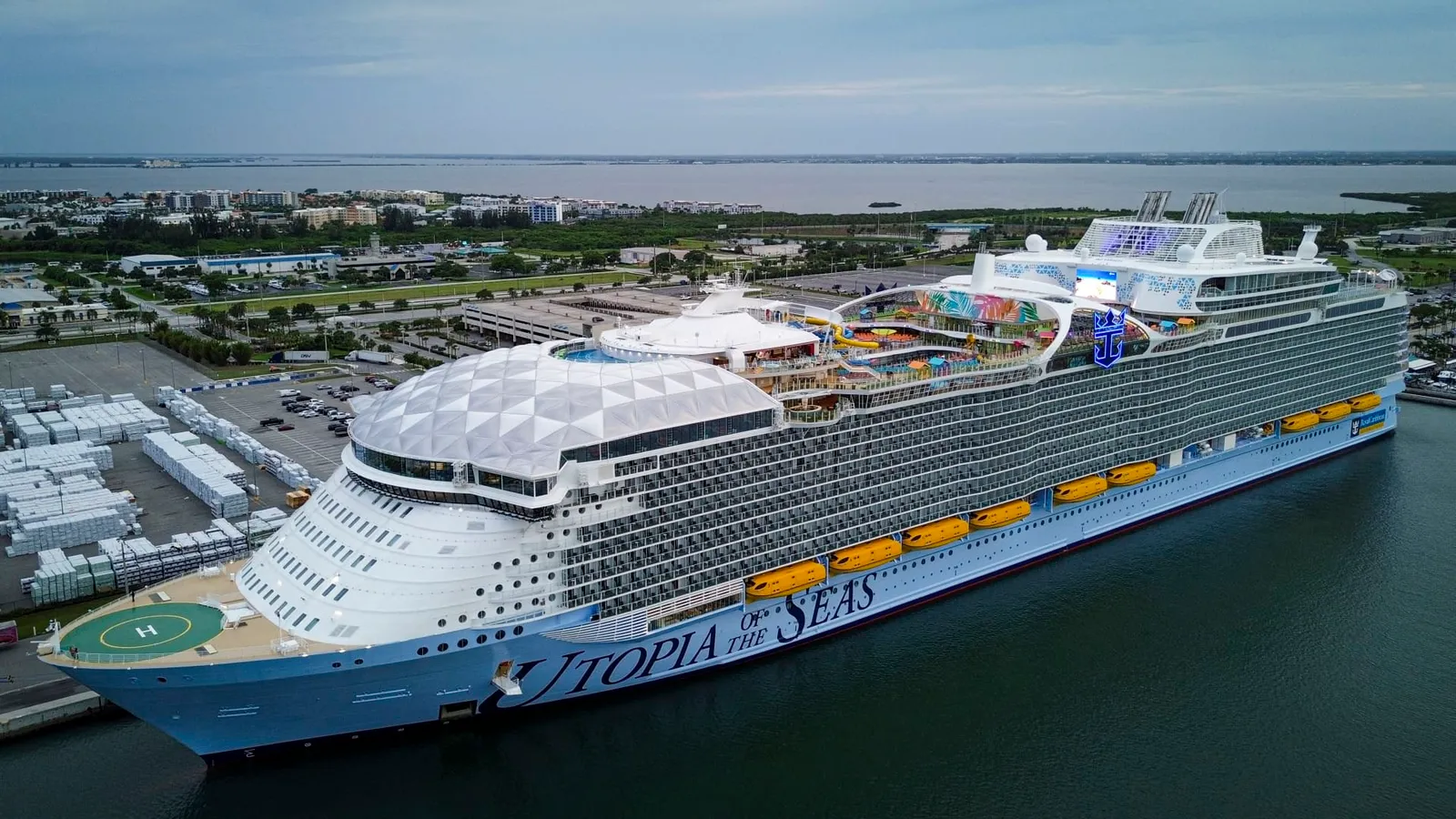
Royal Caribbean just spent $3B to own half of Sandals
The cruise giant is buying a 50% stake in the all-inclusive resort chain for $3 billion, a bet that land-based vacations are the next growth engine.

Paramount's Ellison: Merger Clearance Done, WBD Deal by Oct 1
David Ellison says the Paramount-WBD merger has full clearance after settling with state AGs, clearing the path for an October 1 close.
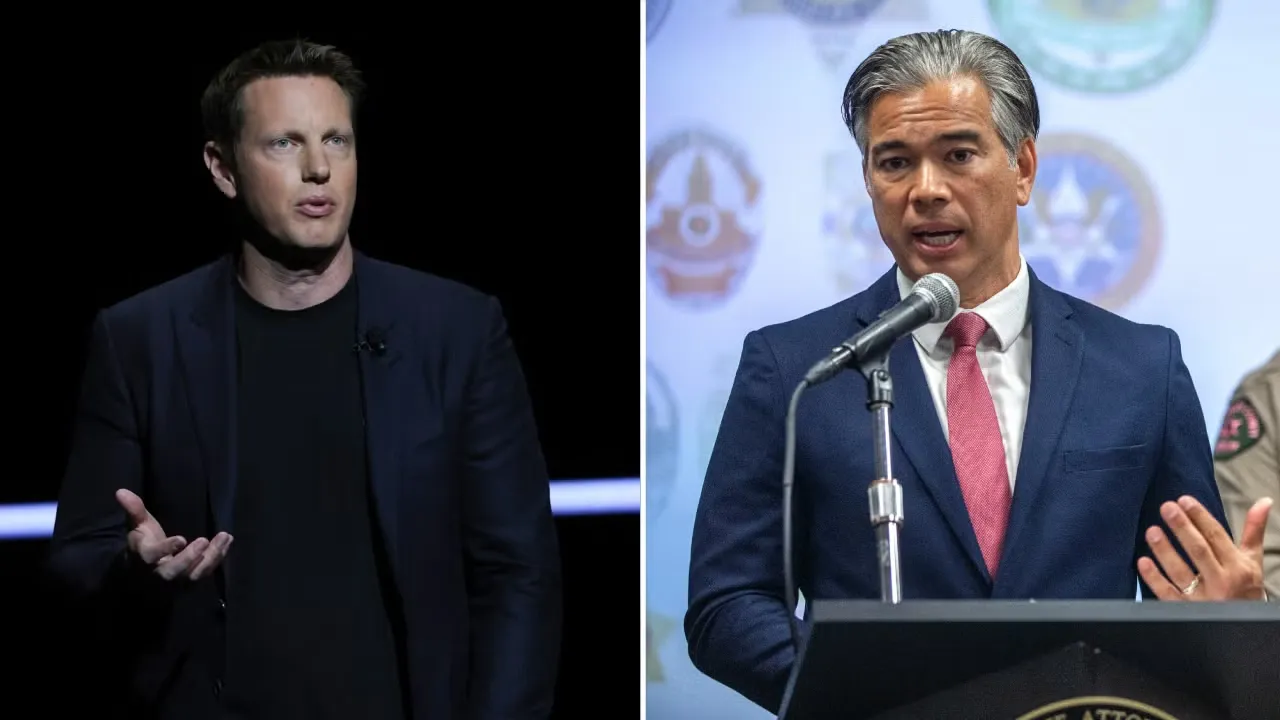
Paramount settles with 12 states, $110B Warner merger clears final hurdle
David Ellison's studio avoids a March trial and a $7M-a-day ticking fee by settling with state AGs over local job losses.