
Trump calls Doha Iran meeting Tuesday, but Iran’s top negotiator says no talks planned
After strikes paused for a day, U.S. and Iran disagree over whether negotiations are restarting or stalling.
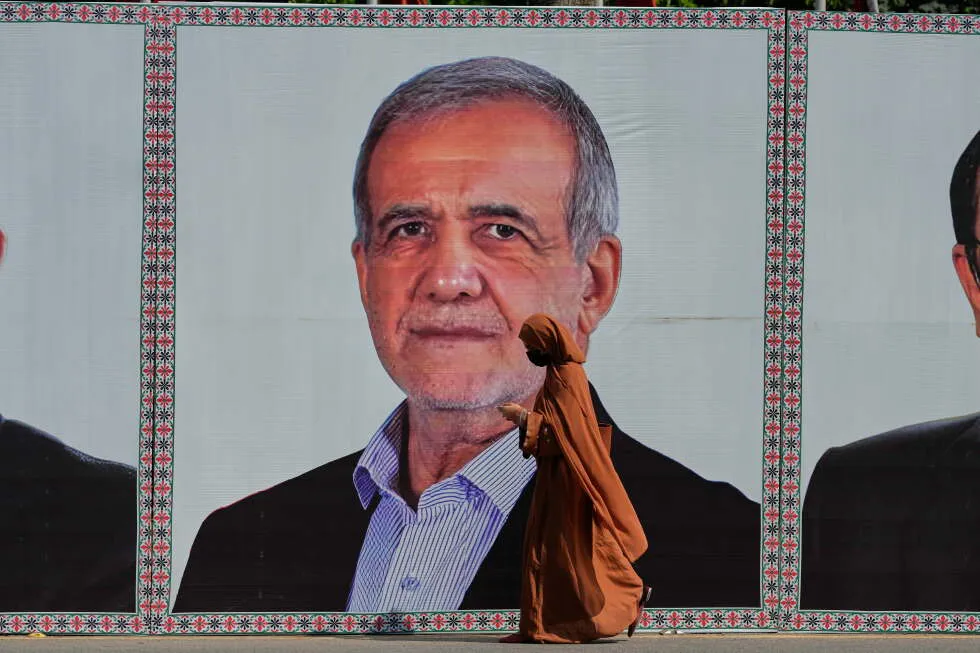
President Donald Trump said Iran requested a meeting and that a session will happen Tuesday in Doha, Qatar, with Steve Witkoff and Jared Kushner. Iran’s senior negotiator Kazem Gharibabadi denied any talks were scheduled, throwing uncertainty back onto a fragile interim nuclear-and-safety deal.
President Donald Trump said Monday that Iran had requested a meeting with U.S. counterparts and that a meeting would happen Tuesday in Doha, Qatar. The White House press secretary, Karoline Leavitt, said Trump special envoy Steve Witkoff and Jared Kushner are flying to Qatar for the meeting. But one of Iran’s top negotiators immediately pushed back: Kazem Gharibabadi, a senior negotiator for Iran, denied that any talks had been scheduled after the weekend’s attacks challenged negotiations.
That standoff matters because it comes right after a round of violence across the Persian Gulf that can spill into energy markets and derail diplomacy. Sunday, Iran launched drone and missile attacks targeting Bahrain and Kuwait in response to new U.S. airstrikes. Iran also threatened a “complete halt” in negotiations to end the war if Washington continues its attacks. By Monday, after four days of trading strikes, both sides appeared to pause their attacks, but the pause is now shadowed by disagreement over what comes next: a real restart of talks, or a pause with no roadmap.
The meeting dispute lands on top of an interim deal agreed earlier this month between the U.S. and Iran. Under that interim arrangement, Tehran is to dilute its stockpile of enriched uranium. In return, it receives a waiver of U.S.-backed sanctions, the Strait of Hormuz is to open, and each side gets 60 days to hammer out broader agreements. The U.S. president has been trying to preserve this fragile interim deal, and U.S. officials said Monday they were operating on the understanding that the U.S. and Iran are standing down after the recent back-and-forth strikes, with vessels able to move freely through the Strait of Hormuz.
The interim deal also includes a financial component tied to frozen Iranian assets. A U.S. official, speaking anonymously to discuss sensitive negotiations, said Qatar planned to release $6 billion in frozen Iranian assets to be used to purchase U.S. food products for the Iranian people. Iranian President Masoud Pezeshkian had announced the expected release of funds earlier Monday in comments published by the state-run IRNA news agency. Pezeshkian described the deal as “a great victory for the Iranian people,” saying $6 billion out of the total $12 billion of Iranian resources in Qatar would be released and returned, and that follow-ups were being carried out, without elaborating.
If this sounds like diplomacy with a spreadsheet, that is because it is. The practical question for decision-makers is whether the weekend’s attacks are treated as temporary friction inside the interim framework or as evidence that the parties are sliding toward renewed escalation. Iran launched attacks on the strait in recent days, including a tanker filled with Qatari crude, following efforts to open Oman’s territorial waters to both inbound and outbound traffic from the Persian Gulf. Those moves were met with retaliatory American airstrikes. The Strait of Hormuz is widely considered an international waterway despite its location in Iranian and Omani territorial waters, but in wartime those legal concepts can collide with risk pricing, insurance, and rerouting.
Layered on top of the U.S.-Iran disagreement is an important maritime policy issue inside the region: Oman’s foreign minister, Badr Albusaidi, said Monday that Oman and Iran are considering charging service-related fees for commercial ships transiting the Strait of Hormuz. Albusaidi said services could include water safety measures, pollution prevention, navigational assistance, and preparedness for incidents such as fires. He emphasized that Oman does not support imposing transit fees, calling it “internationally forbidden” and saying Oman is complying with these rules. This matters because even “fees” can become a flashpoint in an environment where commercial shipping leaders, insurers, and energy buyers are already focused on volatility.
Meanwhile, Lebanon’s security picture is also moving, and it intersects with regional stability even though it is separate from the Gulf negotiations. Lebanese President Joseph Aoun said Monday that Lebanon is determined to deploy troops along its entire southern border as part of a framework agreement with Israel signed Friday. He made the remark while meeting with Adm. Brad Cooper, the top U.S. military commander in the Middle East. That Lebanon-Israel framework was rejected by the Iran-backed Hezbollah militant group, which triggered the latest war with Israel on March 2 by firing rockets across Lebanon’s southern border into northern Israel. The Israel-Lebanon deal calls for Hezbollah to be disarmed before Israel withdraws its troops from southern Lebanon; Israel agreed to withdraw initially from “pilot zones” where the Lebanese army would then deploy, but no details have been shared. Hezbollah officials have warned attempts to implement the plan could lead to civil war.
For executives and boards, the second-order point is simple: when diplomacy is both fragile and contested in public, every “pause” becomes a variable. The U.S. says it expects continued standing down after strikes and expects Qatar to release $6 billion in frozen Iranian assets. Iran’s side says no further talks have been scheduled, at least according to its senior negotiator. If talks are delayed or disrupted, the interim deal’s 60-day clock still runs, but the risk premium on shipping and energy can climb quickly. In a world where a strait can suddenly stop functioning like an artery, the difference between “meeting scheduled” and “meeting denied” is not just semantics. It is how fast disruption turns into cost.
This story's Key Insights and Take-aways are locked.
Create a free account to unlock Executive Actions for one credit.
Register to UnlockAlways free for Executives Club members. Join the Club
More in Politics

Martinelli’s stoppage-time goal sends Canada to World Cup 2026 Round of 16
The knockout bracket is set as Canada beat Japan for the first time in the tournament and move five wins from glory.
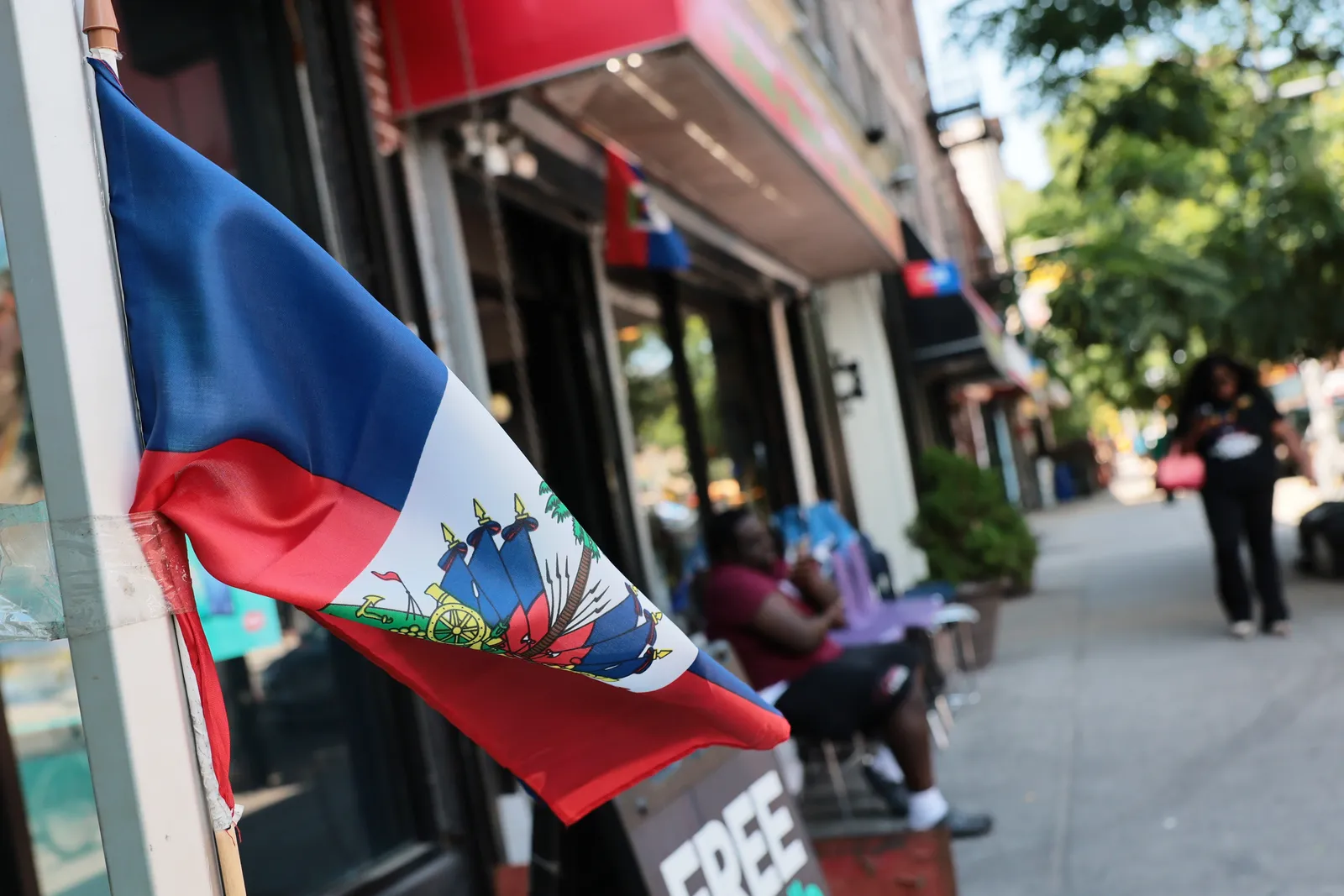
Supreme Court ruling could end TPS for hundreds of thousands, expanding Trump removals
What the Supreme Court did, why it matters for the remaining TPS countries, and what leaders should watch next.

Karol G tells Colombia’s president-elect to govern “for everyone.” Abelardo De la Espriella answers fast
The singer’s open letter lands days after a 50.5% win, and the president-elect responds with a pledge and an invitation.