
Karol G tells Colombia’s president-elect to govern “for everyone.” Abelardo De la Espriella answers fast
The singer’s open letter lands days after a 50.5% win, and the president-elect responds with a pledge and an invitation.

Karol G posted an open letter on X on June 28 urging president-elect Abelardo de la Espriella to govern “for everyone,” not a party. De la Espriella replied on June 29 on X, reaffirming governing for all Colombians and asking Karol G to join his movement.
Karol G did not wait for the political news cycle to cool. On Sunday, June 28, the “Mañana Será Bonito” singer posted an open letter to president-elect Abelardo de la Espriella, writing that elections are over and “now comes the hardest part: governing for everyone.” Then, on Monday, June 29, De la Espriella answered immediately on X, reiterating that governing for all Colombians, including people who did not vote for him, has been his pledge since the campaign.
So here is the exact moment the headline is pointing at. Karol G frames the job as responsibility, not trophy, and warns against governing for a party, ideology, or sector. De la Espriella’s response does two things at once: he says the country needs to regain trust in its leaders, then he asks Karol G to join his effort to “rebuild the country,” using the language his supporters used throughout the campaign, including his nickname “El Tigre” (“The Tiger”). This is celebrity messaging, sure. But it is also political operating system talk, because in Colombia, governing after a razor-thin runoff is not a vibe. It is logistics, trust, and legitimacy under pressure.
Karol G’s letter is explicit about the audience she thinks De la Espriella should govern for. She says she is not writing as a supporter or an opponent, but “as a Colombian who deeply loves her country.” From there, she makes her core argument in plain terms: the power he received is “not a prize” but a responsibility. She asks him to “listen to those who voted for you, but also to those who did not,” and she pushes back on the idea that leaders can pick one political lane and call it unity. Her letter lists groups who could easily get turned into talking points, and instead puts them on the checklist: children needing education, families struggling to make ends meet, farmers who sustain the land, entrepreneurs creating jobs, young people dreaming of a better future, and those who have lost hope of finding that future.
Her emphasis is also on security and fairness as prerequisites for opportunity. She argues that progress is impossible while “there is no security and fear continues to be part of Colombians' everyday lives,” and she calls for leaders who can bring people together through “courageous decisions” and “results.” The conclusion is a legitimacy test, not a campaign slogan: she hopes that when his term ends, Colombians can look back and say he rose to the responsibility entrusted to him, “despite our differences.” Then she lands the philosophical line that reads like a governance KPI: “a president does not truly win when they win an election... A president wins when their people win.”
De la Espriella’s response mirrors the same legitimacy framing while switching gears into movement-building. He states that governing for all Colombians, including those who did not vote for him, has been his pledge since the campaign. He then moves to the trust angle, saying the country needs to regain trust in its leaders. Finally, he invites Karol G to join his movement, writing: “I invite you, @karolg, to join the pack. Colombia needs all of its good citizens in the effort to rebuild the country, with unwavering consistency and conviction.” For executives and boards, this is familiar territory: the rhetoric is about inclusion, but the operational ask is about coalition expansion. When outcomes are close and polarization is high, expanding the coalition is not optional. It is survival.
Why this matters beyond social-media theater is the political math. The 2026 Colombian election outcome reflects an intensely polarized landscape. De la Espriella’s opposition coalition, Defensores de la Patria, ran as an independent movement advocating a more conservative vision anchored in traditional family values and promising further safety for citizens. It also pledged to crack down on inner-city violence, including “a zero-tolerance policy toward the country’s illegal militias and guerrilla groups.” On the other side, leftist candidate Iván Cepeda and El Pacto Histórico emphasized economic and social reforms and continued efforts to advance peace treaties with guerrilla groups. El Pacto Histórico is founded and led by Colombia’s current president, Gustavo Petro, a former guerrilla member and the country’s first leftist president.
De la Espriella won the runoff on June 21 by less than 1% of the vote. The margin is specific: he won with 50.5%, while Cepeda lost with 49.5%. That kind of narrow result is rarely an endorsement of one approach by everyone. It is often a mandate to manage conflict carefully while proving competence quickly. De la Espriella is set to take office on Aug. 7, which means the letter and the reply are not just statements. They are early positioning for the first weeks of governing, when decisions about security, social policy, and trust-building typically collide.
There’s also a brand-and-influence second-order implication, especially for decision-makers who watch how public narratives become political operating capital. Karol G is not a generic commentator. She is preparing the North American leg of her Viajando Por El Mundo Tropitour, starting July 24 at Chicago’s Soldier Field and moving across the U.S. and North America through October, continuing into Latin America and Europe in November. High-visibility cultural leaders can shift how a political message spreads. De la Espriella’s invitation to “join the pack” is, in effect, a bid to turn mainstream influence into a broader legitimacy engine.
For leaders in any sector, the headline’s subtext is the same: if you win narrowly, the question becomes whether you can govern widely. Karol G is pushing De la Espriella to treat office as a responsibility that must include people who voted differently, with safety, fairness, and results as the proof. De la Espriella is responding that governing for all is his pledge and that rebuilding requires broader participation. In other words, the clock starts now, long before Aug. 7. And in polarized environments, trust is not a campaign promise. It is an operational deliverable.
This story's Key Insights and Take-aways are locked.
Create a free account to unlock Executive Actions for one credit.
Register to UnlockAlways free for Executives Club members. Join the Club
More in Politics
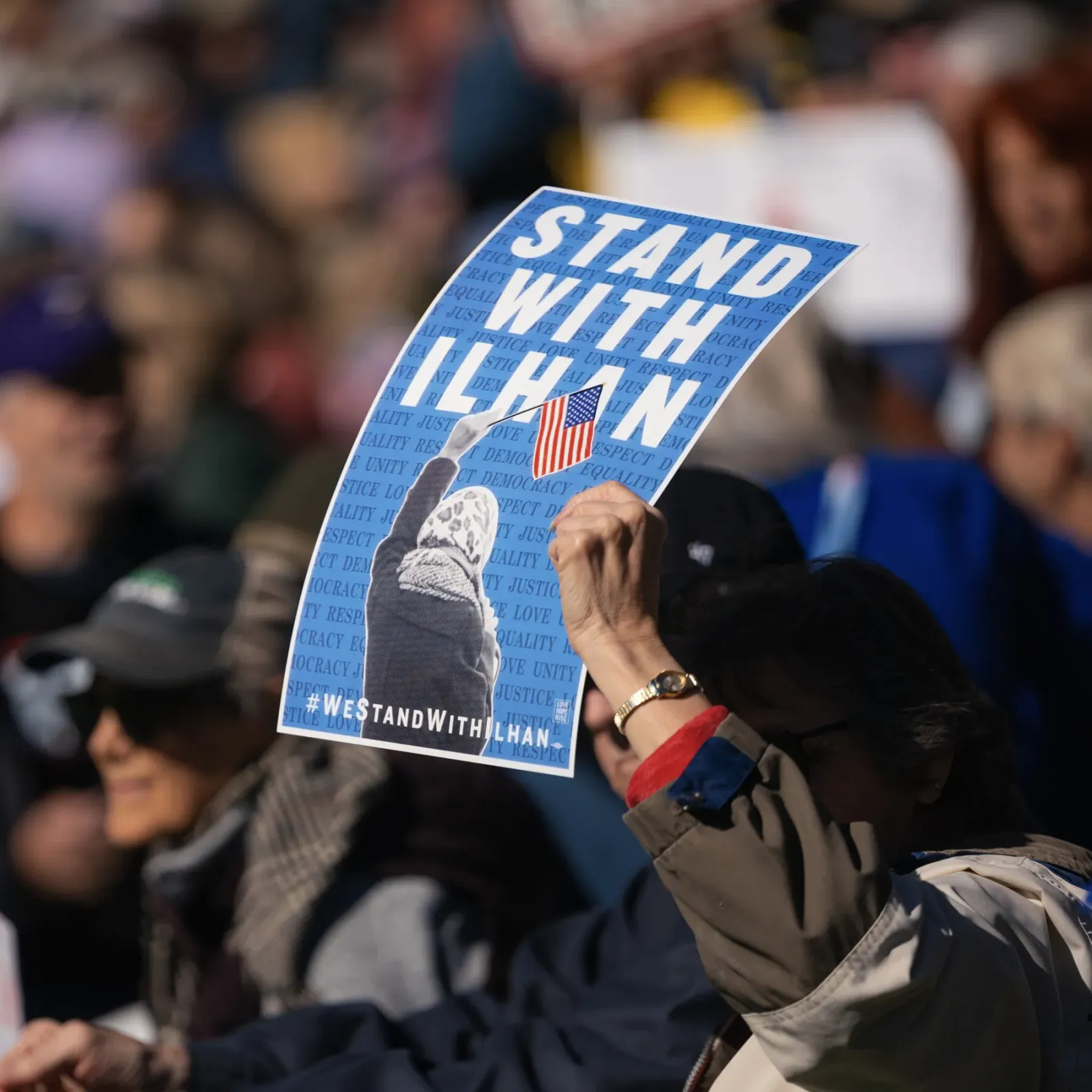
Obama Defends Ilhan Omar After Agents Search Her Home in Trump Inquiry
The former president's intervention raises the stakes in a federal probe into immigration paperwork that has put a prominent progressive lawmaker in the crosshairs.

Blair-era minister: cut welfare to fund youth job support
Alan Milburn's call for welfare cuts to fund employment support opens a Labour fight over benefits and the Neet crisis.
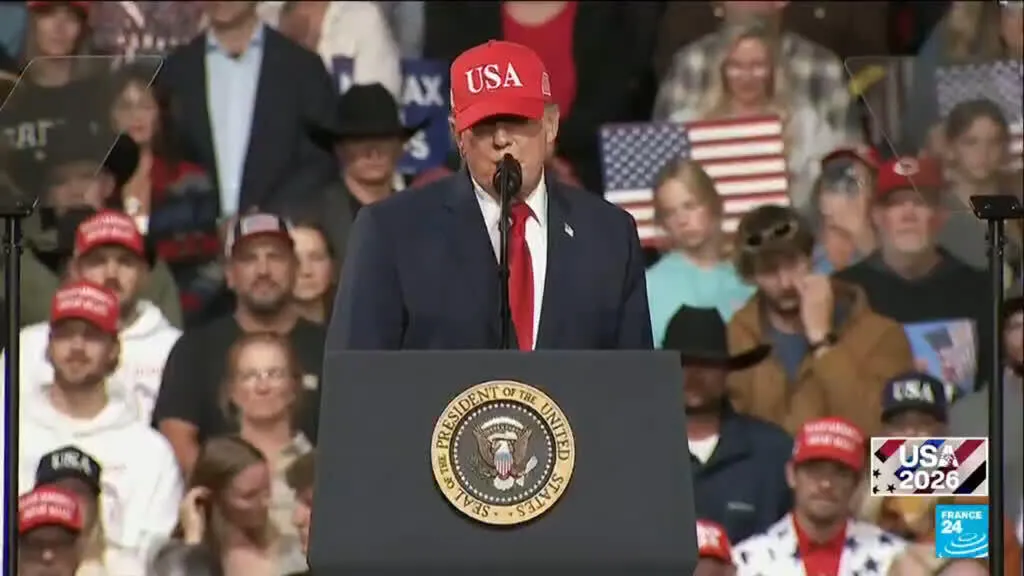
Hot September CPI: energy costs surge, voters feel the squeeze before midterms
The latest inflation print lands as Trump campaigns for GOP control of Congress, putting cost-of-living worries at the center of the midterm fight.