

Trump calls Gaza deal a “great breakthrough” but won’t say what comes first
A Hamas disarmament claim collides with unanswered sequencing, dampening Gaza mood and leaving allies’ support in question.
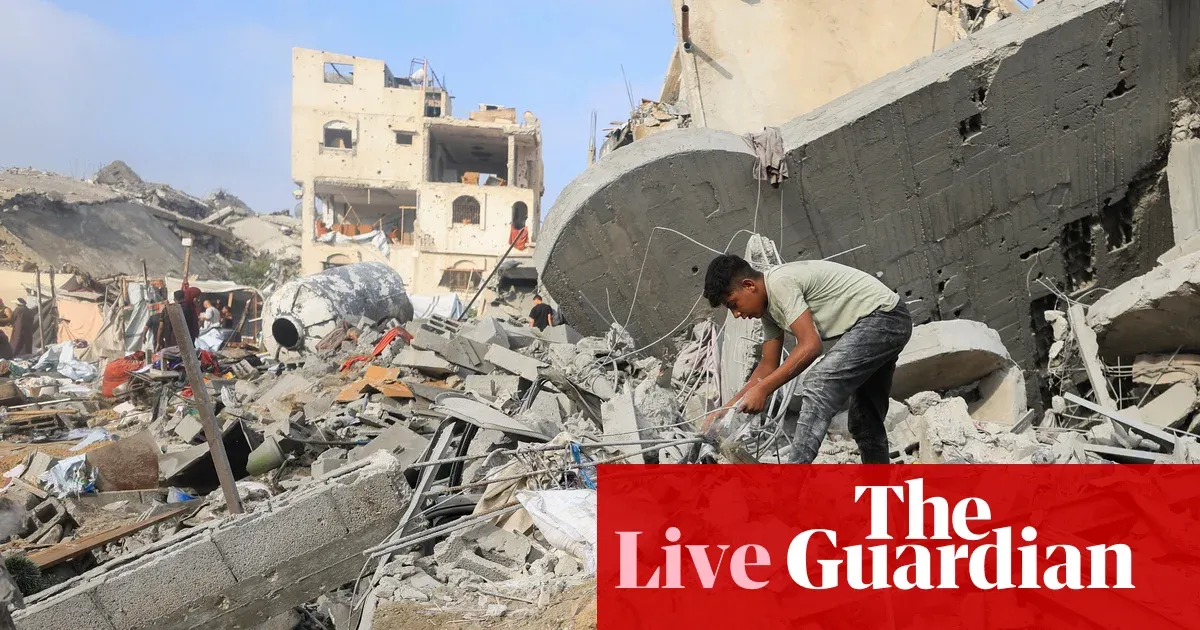
Donald Trump says Israel is “very happy” with a Gaza peace plan and calls it a “great breakthrough,” while claiming the agreement includes “complete disarmament” of Hamas. For decision-makers, the missing detail on whether withdrawal or disarmament happens first leaves support uncertain and raises the odds of a wider regional escalation.
Donald Trump is calling the Gaza peace plan a “great breakthrough,” saying Israel is “very happy” with it. But when media questions turned to enforcement, he did not say whether Israel’s withdrawal would happen before Hamas disarmament, or vice versa, even as he claimed the agreement requires “complete disarmament” of Hamas in Gaza.
That sequencing question is not a footnote. It goes straight to whether the plan feels like a path to security or a risk of a vacuum. In the immediate aftermath of Trump’s announcement, the mood inside Gaza was not celebratory. Al Jazeera reporter Hani Mahmoud reported from Gaza City that Palestinians, having heard repeated statements about their fate in the three years since the current war began between Israel and Hamas, met the news with skepticism and cautiousness.
So the public messaging arrives in a trust deficit environment. In protracted conflicts, credibility is not just about the final outcome, it is about the interim steps. If people expect that one side has to move first without a guaranteed payoff, skepticism spikes. Mahmoud’s reporting captures that dynamic: Palestinians have heard promises before, so the new plan’s promise of “complete disarmament” lands differently depending on who goes first and what timing actually binds the parties.
The article also flags a second tension that matters for any leader thinking about coalition support: uncertainty about backing. While Trump frames the plan as a breakthrough and suggests Israel’s stance is favorable, support is unclear, specifically with Saudi Arabia preparing for a sea and possible land offensive against Houthis. That detail matters because it ties Gaza diplomacy to broader regional security calculations. When a major regional actor is in motion operationally, diplomatic agreements that are perceived as incomplete, or that lack clear sequencing, can fail to produce the kind of stability that coalition members need to justify shifting resources.
From an incentives standpoint, the “what comes first” question determines whether each actor can trust the other to keep its commitments under pressure. Disarmament is rarely a one-time box-check. It typically requires verification, security guarantees, and enforcement mechanisms, all of which become harder as conditions deteriorate. Withdrawal, similarly, changes the security picture quickly. If withdrawal precedes disarmament, Israel faces a higher risk of gaps in control. If disarmament precedes withdrawal, Hamas faces a higher risk of losing leverage before it has verified that its safety and political end state are real. The source does not resolve those sequencing specifics, but it makes clear that Trump did not answer them publicly.
This is where executive-level and board-level thinking would normally focus, even if the actors here are presidents and armed groups rather than corporations. Plans that require behavioral change from multiple parties live or die on sequencing clarity. In the private sector, you would call it a dependency chain. In peace negotiations, it is the difference between a roadmap and a press release. Mahmoud’s note about Gaza skepticism is an early warning signal that the roadmap is not yet believed, at least by those most exposed to the consequences.
The broader war context underscores why timing becomes an existential variable. The current war between Israel and Hamas has lasted three years, and the reporting emphasizes that Palestinians have been subject to repeated statements about their fate. In such a setting, even correct language can fail to persuade if the operational plan is missing key answers. That is exactly what the headline and the live reporting highlight: Trump claims disarmament, calls the deal a breakthrough, says Israel is “very happy,” but leaves the crucial order of operations unstated.
For executives, investors, and operators tracking geopolitics because it affects capital flows and risk, this matters for a simple reason: unclear sequencing increases the probability of stalled implementation. Stalled implementation often means security incidents, political backlash, and hardening positions. And because the region is already preparing for an offensive against Houthis, the risk is not limited to Gaza. A diplomacy package that does not de-escalate cleanly can spill into the surrounding theaters where military planning is already underway. In other words, the unanswered question is not just procedural. It is the hinge point that could determine whether the plan stabilizes the region or adds friction everywhere it touches.
This story's Key Insights and Take-aways are locked.
Create a free account to unlock Executive Actions for one credit.
Register to UnlockAlways free for Executives Club members. Join the Club
More in Politics
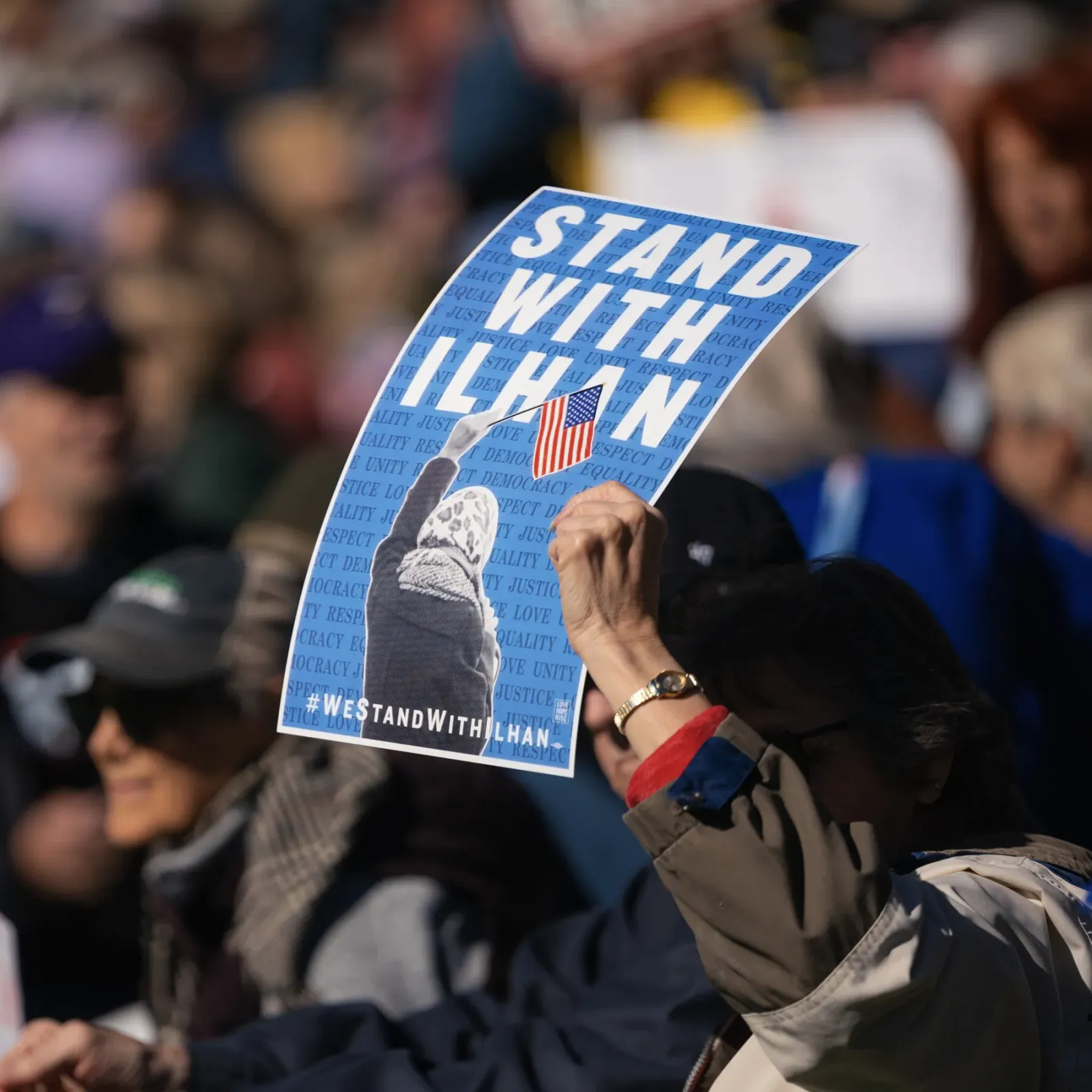
Obama Defends Ilhan Omar After Agents Search Her Home in Trump Inquiry
The former president's intervention raises the stakes in a federal probe into immigration paperwork that has put a prominent progressive lawmaker in the crosshairs.

Blair-era minister: cut welfare to fund youth job support
Alan Milburn's call for welfare cuts to fund employment support opens a Labour fight over benefits and the Neet crisis.
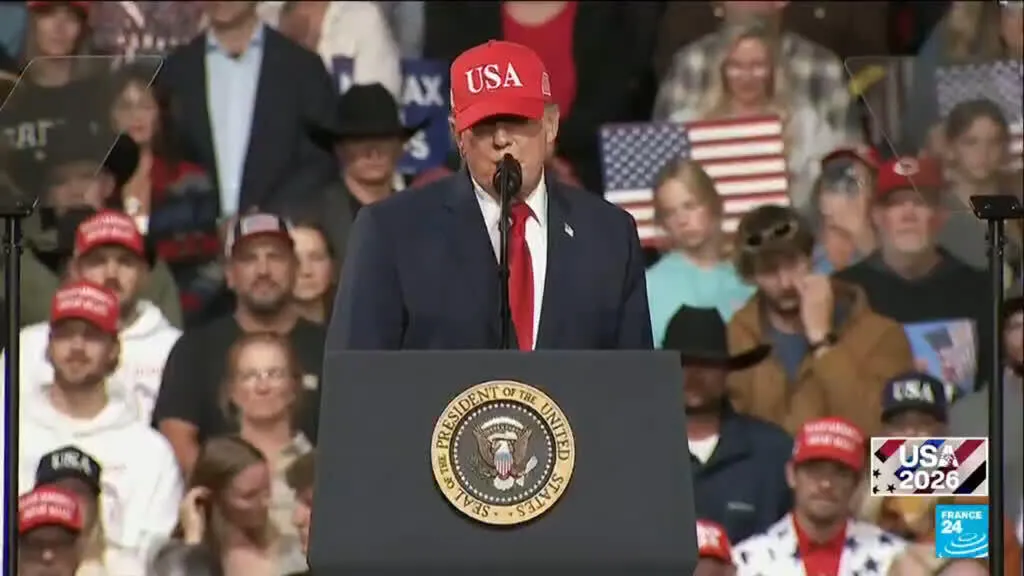
Hot September CPI: energy costs surge, voters feel the squeeze before midterms
The latest inflation print lands as Trump campaigns for GOP control of Congress, putting cost-of-living worries at the center of the midterm fight.