
Trump may hold Todd Blanche nomination until January to bypass GOP holdouts
The attorney general nominee’s timeline just got a political strategy behind it, and Senate dynamics are the lever.

President Trump said he is willing to hold the nomination of Attorney General Todd Blanche until January. For decision-makers watching DOJ leadership and Senate confirmations, that delay signals how political math could shape timing and governance.
President Trump says he is willing to hold his nomination of Attorney General Todd Blanche until January. The reason, as described by Trump, is that he expects an easier political calculation in the Senate by then.
That framing matters because Senate confirmations are not just procedural. They are leverage points in a bigger fight over control of institutions, especially for a top law enforcement post where leadership changes can ripple across enforcement priorities, investigations, and the posture of the Department of Justice.
On its face, this is a timeline decision. But the subtext is that the White House believes timing can change the voting environment. If GOP holdouts are blocking progress now, waiting for January is treated as a way to reduce the cost of getting to “yes.” In other words, the nomination is being managed like a political asset with an expiration date.
For executives, boards, and anyone who interacts with government enforcement, that kind of delay can have real-world consequences even when no one is talking about policy details yet. DOJ leadership matters because the department is the engine behind prosecutions, civil enforcement, and the threat model that shapes risk across industries. Even before a nominee is fully seated, the expectation of who will lead and how aggressively priorities will be enforced can influence how organizations plan compliance, litigation posture, and internal investigations.
There is also a governance angle. The DOJ is not a random bureaucracy; it is staffed by officials who operate within statutory mandates and prosecutorial guidelines, but leadership choices set tone and direction. When a nomination is held, the Senate confirmation clock pauses. That can extend a period where acting officials or interim leadership handles continuity. Those arrangements can still function, but they can also create uncertainty for regulators and regulated parties alike.
Think of it the way markets think about regulatory certainty. Businesses do not only react to final rules. They react to the prospect of them. In enforcement-heavy areas, the practical question is often: “Who is going to be in charge, and what does that mean for our exposure?” When a White House signals it may wait until a later date to alter Senate dynamics, it is effectively telling the ecosystem that the status quo might persist for longer than originally expected.
This is also a story about how political bargaining works inside the Senate. The Senate is where confirmations become a negotiation, not a rubber stamp. Trump’s statement ties his nomination strategy to the idea that votes are not fixed. They can shift based on timing, internal party dynamics, and how leadership calculates the path to securing enough support.
For lawmakers, nominees, and parties watching from the sidelines, the key stake is control over the pace of appointments. If the White House can choose to wait, it can also choose where pressure lands. Meanwhile, holdouts have to decide whether blocking now yields leverage or whether delay helps the administration find a route around them.
Second-order effects can show up in how closely other pending nominations and confirmations get watched. When one high-profile nomination is framed around bypassing holdouts, it becomes a template for how other nominees might be managed. Political actors learn from outcomes, and everyone else updates their expectations about how quickly institutional change will happen.
For executives and board members who need to plan beyond headlines, the practical bottom line is simple: leadership transitions are not purely legal events. They are political events with operational spillovers. Trump’s willingness to hold Todd Blanche’s nomination until January, with the promise of “easier political calculation” later, is a reminder that DOJ leadership could remain in limbo until that strategic window arrives. In a world where enforcement posture can shift with leadership, “when” can matter as much as “who.”
This story's Key Insights and Take-aways are locked.
Create a free account to unlock Executive Actions for one credit.
Register to UnlockAlways free for Executives Club members. Join the Club
More in Politics
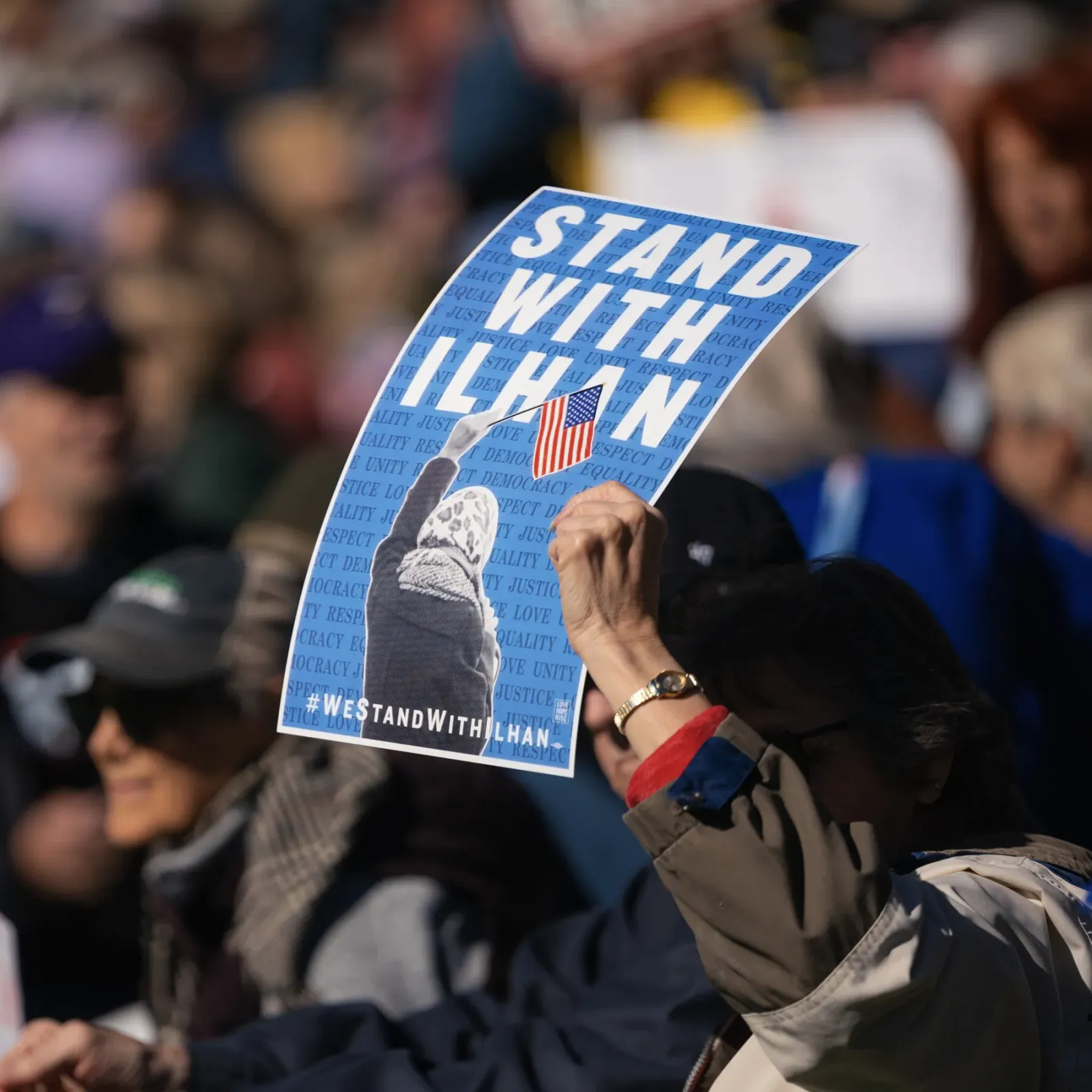
Obama Defends Ilhan Omar After Agents Search Her Home in Trump Inquiry
The former president's intervention raises the stakes in a federal probe into immigration paperwork that has put a prominent progressive lawmaker in the crosshairs.

Blair-era minister: cut welfare to fund youth job support
Alan Milburn's call for welfare cuts to fund employment support opens a Labour fight over benefits and the Neet crisis.
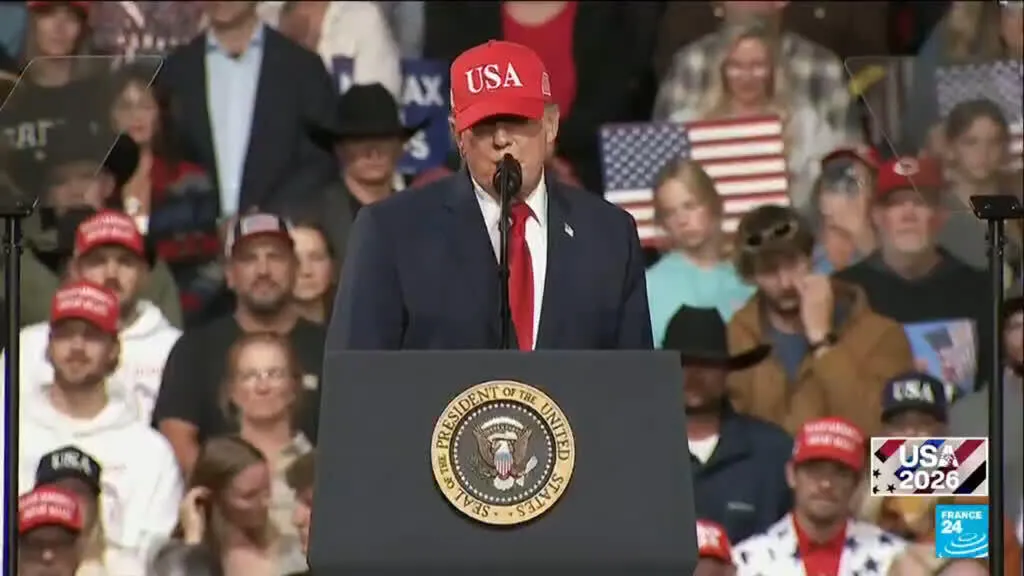
Hot September CPI: energy costs surge, voters feel the squeeze before midterms
The latest inflation print lands as Trump campaigns for GOP control of Congress, putting cost-of-living worries at the center of the midterm fight.