

Trump officials in Qatar after U.S. and Iran agreed to “stand down for now”
Why the Strait of Hormuz pause matters for markets, risk models, and board-level contingency planning.

Trump administration officials are in Qatar for peace talks with Iran after the U.S. and Tehran agreed to “stand down for now” in the Strait of Hormuz. For decision-makers, the immediate goal is de-escalation, but the bigger consequence is how fast risk and supply-chain assumptions can flip back on.
Trump administration officials are headed to Qatar for peace talks with Iran, after the United States and Tehran agreed to “stand down for now” in the Strait of Hormuz. That quiet phrase matters because the Strait of Hormuz is not just a geopolitical flashpoint. It is a choke point that shapes global shipping lanes, energy pricing expectations, and the insurance and logistics assumptions most companies build into budgets.
The “stand down for now” agreement, and the Qatar track that follows it, changes the near-term operating environment for everyone exposed to Middle East risk. If tensions truly ease even briefly, it can relieve pressure on freight rates, shipping schedules, and hedging strategies. If it does not, the same channels that de-escalate can also become conduits for escalation, because the underlying stakes have not disappeared.
Here is the practical governance takeaway: when governments coordinate a pause, markets often reprice the probability of worst-case scenarios quickly. That repricing can hit more than energy traders. It can flow into transportation, industrial procurement, commodity-linked margins, and even the cost of capital for firms whose risk frameworks are built on geopolitical volatility. Boards do not need to follow every diplomatic turn to understand the pattern: de-escalation narratives can compress risk premiums, while reversals can re-inflate them just as fast.
For executives, the Qatar talks also sit inside a familiar diplomatic and compliance reality. In the background are long-running U.S. efforts that tend to use sanctions, export controls, and enforcement posture as levers in negotiations. Even when the front page headline is about peace talks, the back office is often thinking about what those negotiations could mean for sanctions exposure, licensing decisions, and the risk appetite of financial institutions. In many companies, internal policies treat any change in policy posture as a “compliance event,” triggering reviews of counterparties, trade flows, and payment rails.
This is where second-order implications show up for boards and investors. A stand-down in a key maritime corridor can make it easier to sustain deliveries and maintain supply continuity. But it can also create a false sense of stability. If firms reduce hedges too early or delay contingency planning, they can get caught unprepared for the next adjustment in posture. The strategic challenge is to treat de-escalation as an input, not a final state, and to keep decision triggers clear for finance and operations leaders.
The stakes are especially high for companies and investors who price risk using scenario frameworks. De-escalation can cause companies to “win” the short term by moving from high alert to normal operations, but those same models need to stay responsive. The Strait of Hormuz is the kind of bottleneck where events can propagate quickly through shipping estimates and cost structures. When officials coordinate in Doha or Qatar, or elsewhere, the market tends to react to signaling as much as to outcomes, because signaling can predict timing, scale, and direction.
Finally, Qatar is a reminder that diplomacy often works through parallel tracks. There is the headline track, where officials gather for talks, and there is the operational track, where actions at sea, posture changes, and enforcement posture create the reality on the ground. The fact that the U.S. and Iran agreed to “stand down for now” indicates there is at least some immediate alignment on reducing confrontation risk. But the need for additional peace talks in Qatar signals the pause is not the whole solution. For leaders making capital allocation decisions, that means the smartest stance is to keep flexibility. Treat the stand-down as progress that should be monitored, not as permission to loosen guardrails permanently.
This story's Key Insights and Take-aways are locked.
Create a free account to unlock Executive Actions for one credit.
Register to UnlockAlways free for Executives Club members. Join the Club
More in Politics
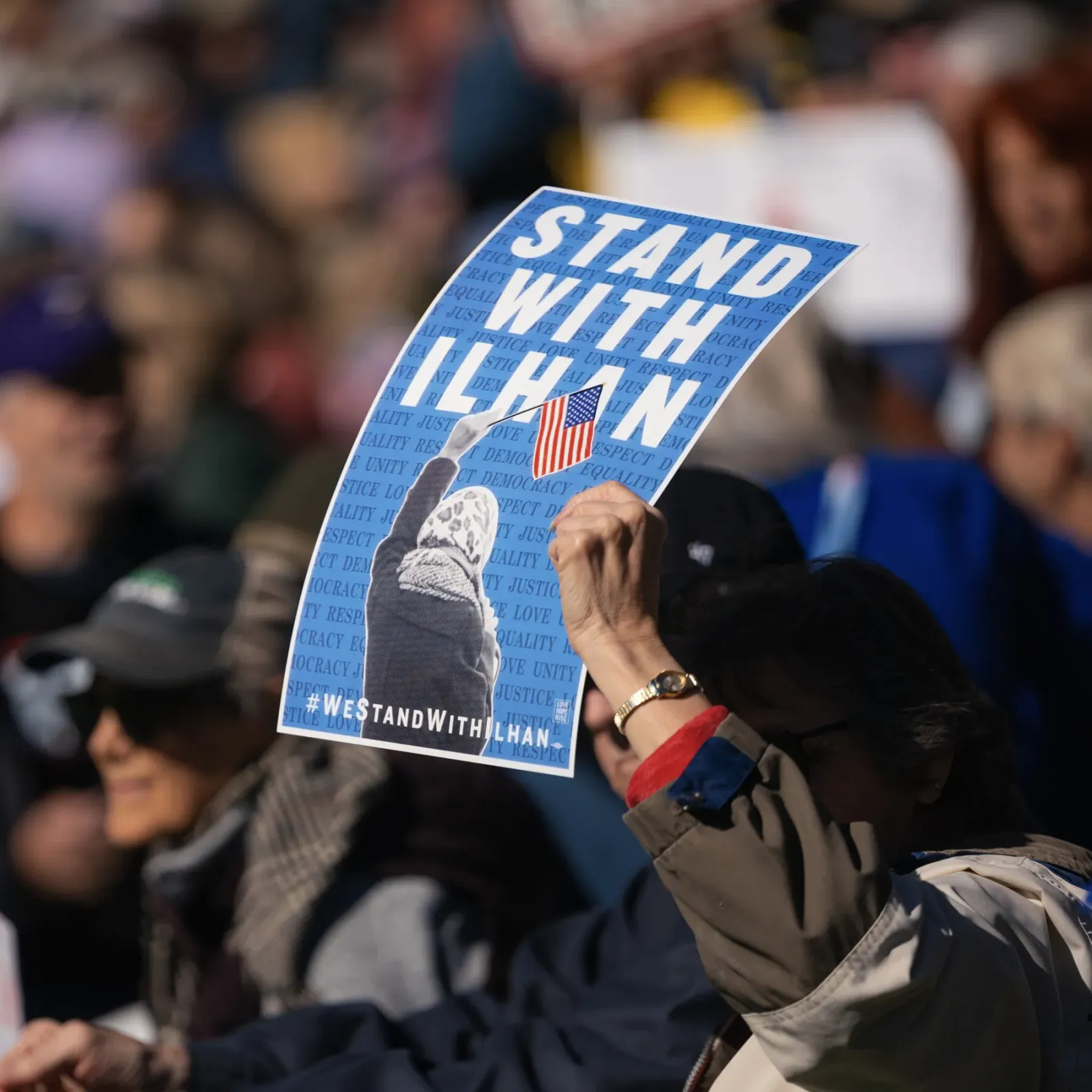
Obama Defends Ilhan Omar After Agents Search Her Home in Trump Inquiry
The former president's intervention raises the stakes in a federal probe into immigration paperwork that has put a prominent progressive lawmaker in the crosshairs.

Blair-era minister: cut welfare to fund youth job support
Alan Milburn's call for welfare cuts to fund employment support opens a Labour fight over benefits and the Neet crisis.
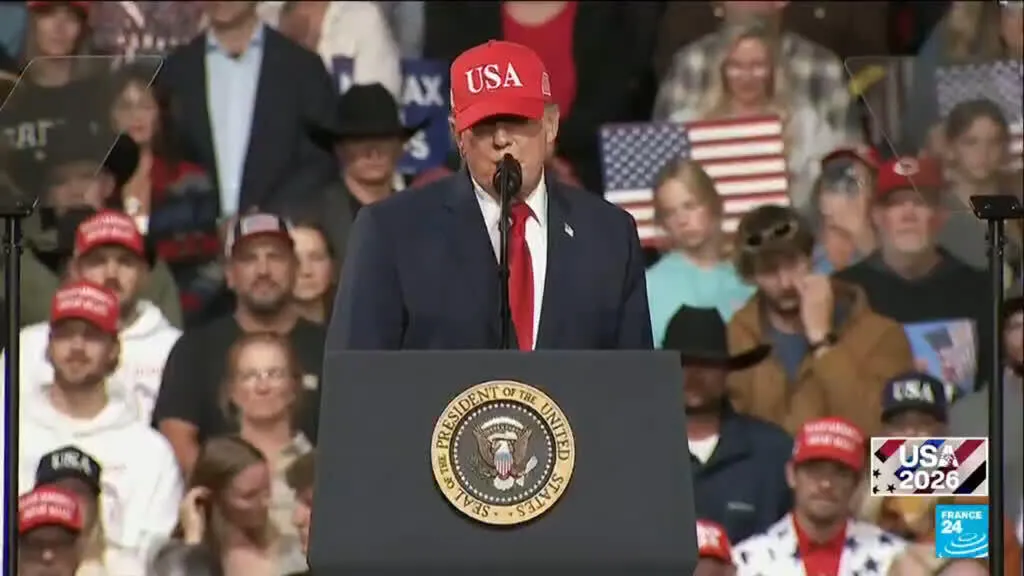
Hot September CPI: energy costs surge, voters feel the squeeze before midterms
The latest inflation print lands as Trump campaigns for GOP control of Congress, putting cost-of-living worries at the center of the midterm fight.