
Trump picks Todd Blanche for U.S. Attorney General as Michigan Democrats scramble for Senate options
Two nomination trains leave the station this week, and party strategy, legal policy, and Senate math all get tugged.

President Trump is advancing Todd Blanche as U.S. Attorney General, according to the week’s politics preview. In Michigan, Democrats will choose Tuesday who to campaign for the U.S. Senate, a decision that could reshape the field and messaging.
President Trump’s nomination of Todd Blanche for U.S. Attorney General is the kind of move that looks procedural until you remember what the job actually controls. The Attorney General is the top legal officer of the federal government, steering major enforcement priorities and setting the tone for how aggressively agencies pursue investigations and litigation. In other words, the nomination is not just about a résumé update. It is about who gets to define what “the law” looks like in practice across the executive branch.
That matters for decision-makers far beyond the Justice Department. When the Justice Department changes direction, the effects ripple outward into federal courts, regulatory agencies, and the broader compliance environment for companies and other institutions that live in the orbit of enforcement. Even if day-to-day operations are carried by career officials, the AG determines which cases rise to the top, how risk is assessed, and how high-stakes legal theories get tested. Blanche’s path to Attorney General is therefore a signal to anyone managing regulatory exposure: the enforcement posture is likely to be a policy lever, not a neutral administrative setting.
At the same time, Michigan Democrats face their own kind of high-wire moment, just in a different lane. The week’s politics roundup highlights “who Michigan Democrats will choose Tuesday to campaign for the U.S. Senate.” Campaigning here is not a minor branding exercise. In U.S. Senate races, who gets the nomination or the top slot on the ticket drives everything that follows: staffing, fundraising narratives, voter targeting, and how opponents frame the contest. It also affects how donors and outside groups calibrate where they deploy money and messaging.
Michigan is a state where the Senate contest can become a proxy battlefield for national issues, and where turnout and coalition discipline often matter as much as the headline issue of the day. That means the Tuesday decision is likely to function like a strategic hinge for Democrats: choose a candidate and you start building the machine around that person, including how they respond to attacks, how they position on economic and social priorities, and how quickly the campaign can unify its base.
Overlaying both stories is a simple reality: nominations and candidate selection are both about incentives. For the administration, installing a new Attorney General is about aligning legal strategy with the President’s priorities. For party leaders in Michigan, selecting who to campaign for the U.S. Senate is about aligning the political strategy with the electorate math, the fundraising pipeline, and the likely opponent’s moves. Neither is only about the individual at the center. Both are about the systems that mobilize around that individual.
This is also where the second-order implications start to get interesting. A new Attorney General can influence not only enforcement, but also the legal posture that shapes how other parts of the federal government operate. Federal agencies often coordinate with the Justice Department on litigation risks, consent decrees, and how certain regulatory theories land in court. When that coordination changes, corporate compliance teams pay attention. They tend to translate political and staffing shifts into practical questions like: What enforcement priorities are likely to shift first? Which sectors face more scrutiny? How aggressive will litigation timelines be?
Meanwhile, in Michigan, campaign selection determines the feedback loop between polling, media narratives, and voter engagement. When Democrats consolidate behind their chosen figure on Tuesday, the campaign can move from internal debate to external messaging, sharpening contrasts and building discipline around a single story. If the field feels fluid before the decision, it often becomes more stable after. That stabilization affects not just the candidate, but also the outside actors who decide whether to match the campaign’s pace.
Put simply: this week’s two nomination storylines, one legal and one electoral, are both about control. Todd Blanche’s nomination, if it proceeds, points to who will steer federal legal enforcement priorities at the top. Michigan Democrats’ choice Tuesday points to who will steer the Senate campaign’s political strategy and messaging rhythm. For executives navigating policy risk, and for boards and leadership teams watching the political weather, that is the through-line. The center holds, or it doesn’t. And either way, the ripples travel fast.
This story's Key Insights and Take-aways are locked.
Create a free account to unlock Executive Actions for one credit.
Register to UnlockAlways free for Executives Club members. Join the Club
More in Politics
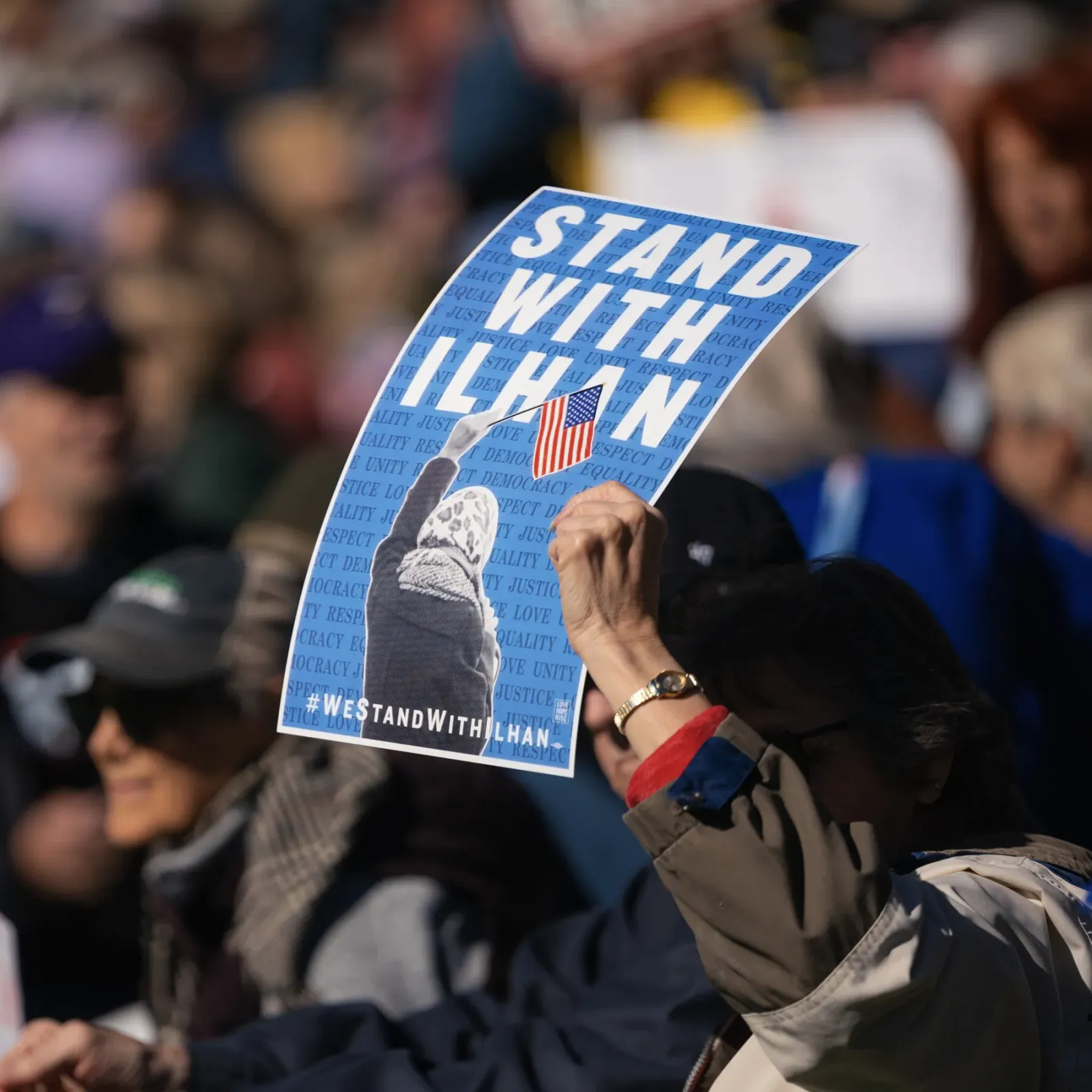
Obama Defends Ilhan Omar After Agents Search Her Home in Trump Inquiry
The former president's intervention raises the stakes in a federal probe into immigration paperwork that has put a prominent progressive lawmaker in the crosshairs.

Blair-era minister: cut welfare to fund youth job support
Alan Milburn's call for welfare cuts to fund employment support opens a Labour fight over benefits and the Neet crisis.
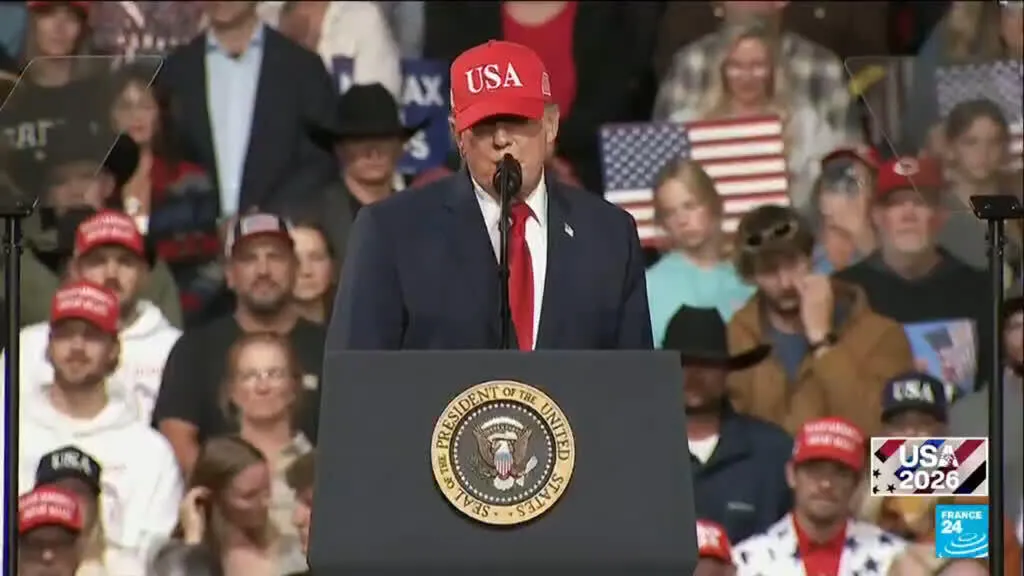
Hot September CPI: energy costs surge, voters feel the squeeze before midterms
The latest inflation print lands as Trump campaigns for GOP control of Congress, putting cost-of-living worries at the center of the midterm fight.