

Trump plans a DC makeover for US 250th birthday, aiming to crown his second term
The 250th independence celebrations come with a political design agenda for Washington DC and national museums, parks, and monuments.
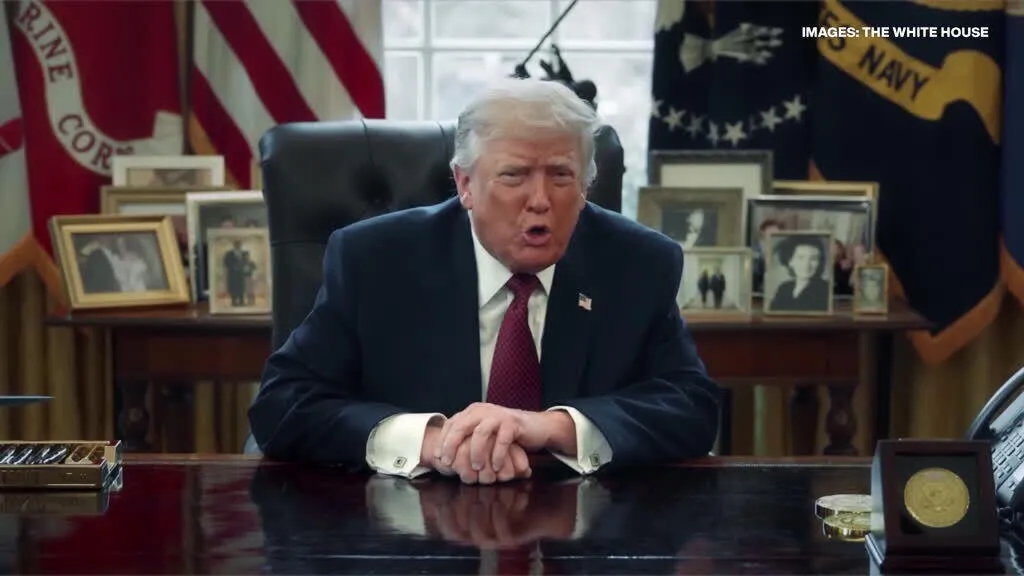
US President Donald Trump intends to use the United States' 250th independence birthday as a centerpiece for his second term. He plans to change Washington DC's appearance and infuse his vision of American history into national museums, parks, and monuments.
The United States is marking 250 years of independence with celebrations across the country, and US President Donald Trump wants those celebrations to do more than make history feel warm and patriotic. According to France 24, Trump intends to turn the milestone into a “crowing achievement” of his second term by changing the appearance of Washington DC to his taste and by infusing his version of American history into national museums, parks, and monuments.
In other words: the 250th anniversary is not just an anniversary. It is a campaign stage and a cultural blueprint. The core move is straightforward in the way it is consequential: alter the look and interpretive framing of Washington, D.C., and push a specific vision of American history through the country’s public-facing institutions. That is the hook, and it matters because public spaces and national museums are not neutral background. They shape what visitors remember, what schools can point to, and what future policy and funding fights will orbit.
To understand why this is such a high-stakes lever, it helps to remember how Washington, D.C., functions as a kind of national stage set. Museums, monuments, and parks are where a lot of civic meaning gets produced at scale. When a president targets these spaces for an appearance change and a history narrative shift, the change is experienced in person by millions, not just consumed in headlines by a few. For decision-makers watching from industries beyond government, the parallel is obvious: brand and messaging are not limited to ads, they become built into the customer experience. In this case, the “customer” is the public.
Trump’s stated aim is also politically legible. A second term is typically a time when an administration tries to lock in legacy and move faster on politically aligned priorities. Using a once-in-a-generation milestone like a 250th birthday creates a deadline-like forcing function, which can compress timelines for planning, approvals, and coordination. Even if many details of how changes get implemented are not spelled out in the France 24 summary, the direction is clear: Washington’s visual and interpretive environment is the target, and museums, parks, and monuments are the delivery channels.
There is a second-order implication that boards and executives in heavily regulated or public-facing sectors should clock, even if they are not directly involved with federal monuments. Public institutions involve overlapping stakeholders: government agencies, contractors, curators, cultural organizations, and layers of oversight that can slow decisions. When a presidential agenda moves into physical spaces and official historical interpretation, it can trigger higher scrutiny of process and messaging. That can mean more attention from watchdogs and more sensitivity to how changes are justified. In corporate terms, it is like shifting strategy from a marketing plan to product design, where every component becomes harder to reverse once it is installed.
Then there is the reputational angle. National museums and monuments do not only reflect policy, they compete for cultural authority. If an administration pushes one “vision” of American history into these venues, it can intensify debates over which stories are centered, how exhibits are framed, and what gets emphasized. Those debates do not stay in the museum. They spill into education, media coverage, and community politics, and they can become persistent. Executives leading institutions with public trust obligations can recognize the risk pattern: changes intended to create momentum can also create backlash, and backlash can translate into longer-term friction, funding instability, and staff turnover.
For peers trying to forecast how this kind of agenda could ripple outward, the biggest practical takeaway is the infrastructure behind the symbolism. Physical changes to Washington DC and interpretive changes to national museums and landmarks typically require coordination across multiple actors. That coordination can reshape budgets, procurement priorities, and contract pathways, even when no single contract is mentioned in the source. The stake is not only what gets displayed, but how the work gets governed.
Ultimately, France 24 frames this as Trump trying to use the United States’ 250 years of independence as the crowning achievement of his second term, by changing Washington DC’s appearance and embedding his vision of American history into national museums, parks, and monuments. If you lead an organization with government clients or a mission tied to public trust, this is a reminder that cultural infrastructure is policy infrastructure. When political leaders move the storyline and the surroundings together, it can change what institutions spend their attention on for years, not months.
This story's Key Insights and Take-aways are locked.
Create a free account to unlock Executive Actions for one credit.
Register to UnlockAlways free for Executives Club members. Join the Club
More in Politics

Glacial collapse, not rain, killed 180 in Nepal's Himalayan flood
The Himalaya's extreme geography hid the true cause of Nepal's catastrophic flood, a glacial collapse that turned a geological battleground into a mass-casualty zone.
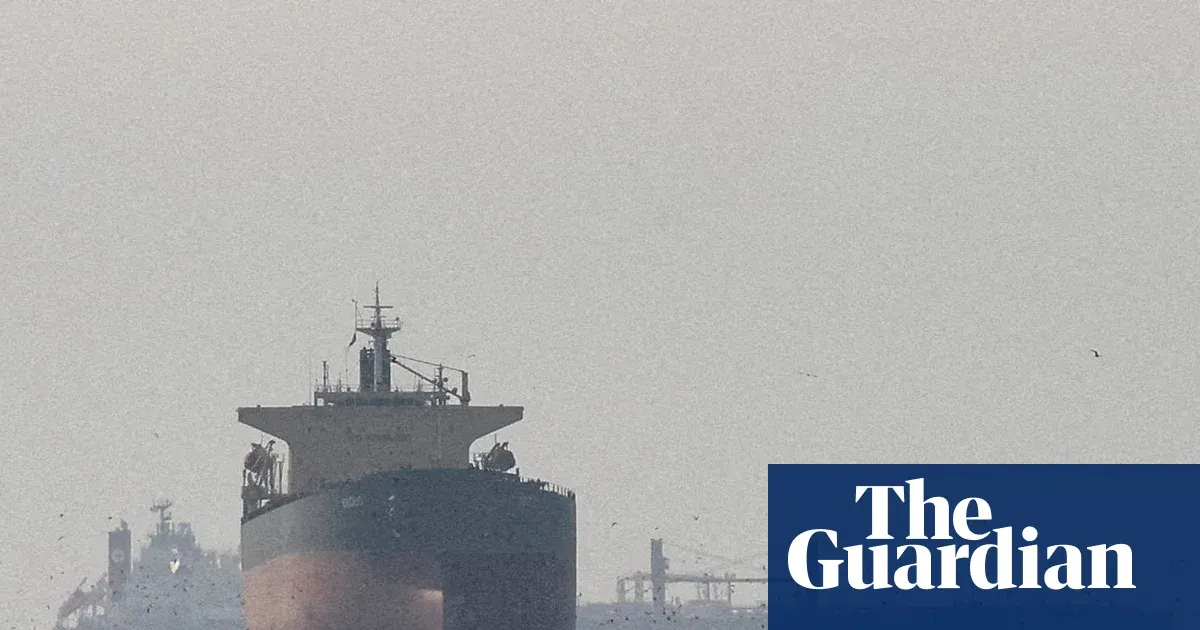
Iran’s Esmail Baghaei says Oman talks start shipping via Hormuz, not US talks yet
Temporary route plans with Oman aim to restart commerce while Tehran says Washington dialogue is not on the table.
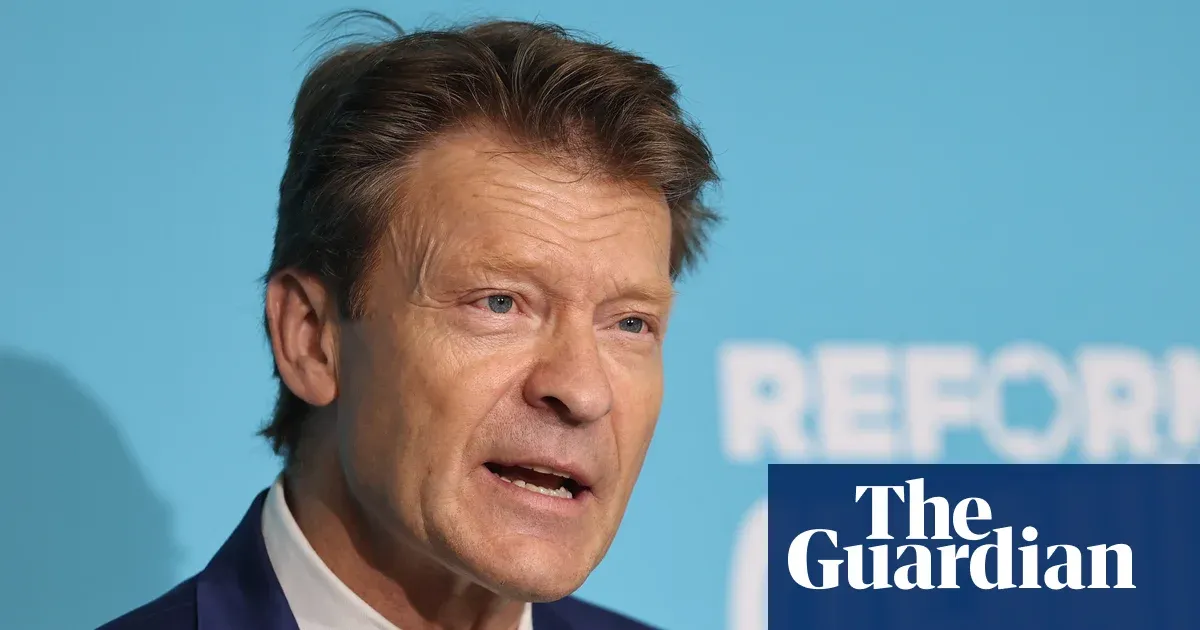
Standards watchdog opens probe into Reform UK deputy leader Richard Tice over interests
The parliamentary standards commissioner says it began an investigation on 28 July into a possible undeclared interest.