

Trump’s approval sinks below a third, hitting historic lows for a second-term start
With barely a third of Americans approving, decision-makers should prepare for harder political risk and less policy predictability.
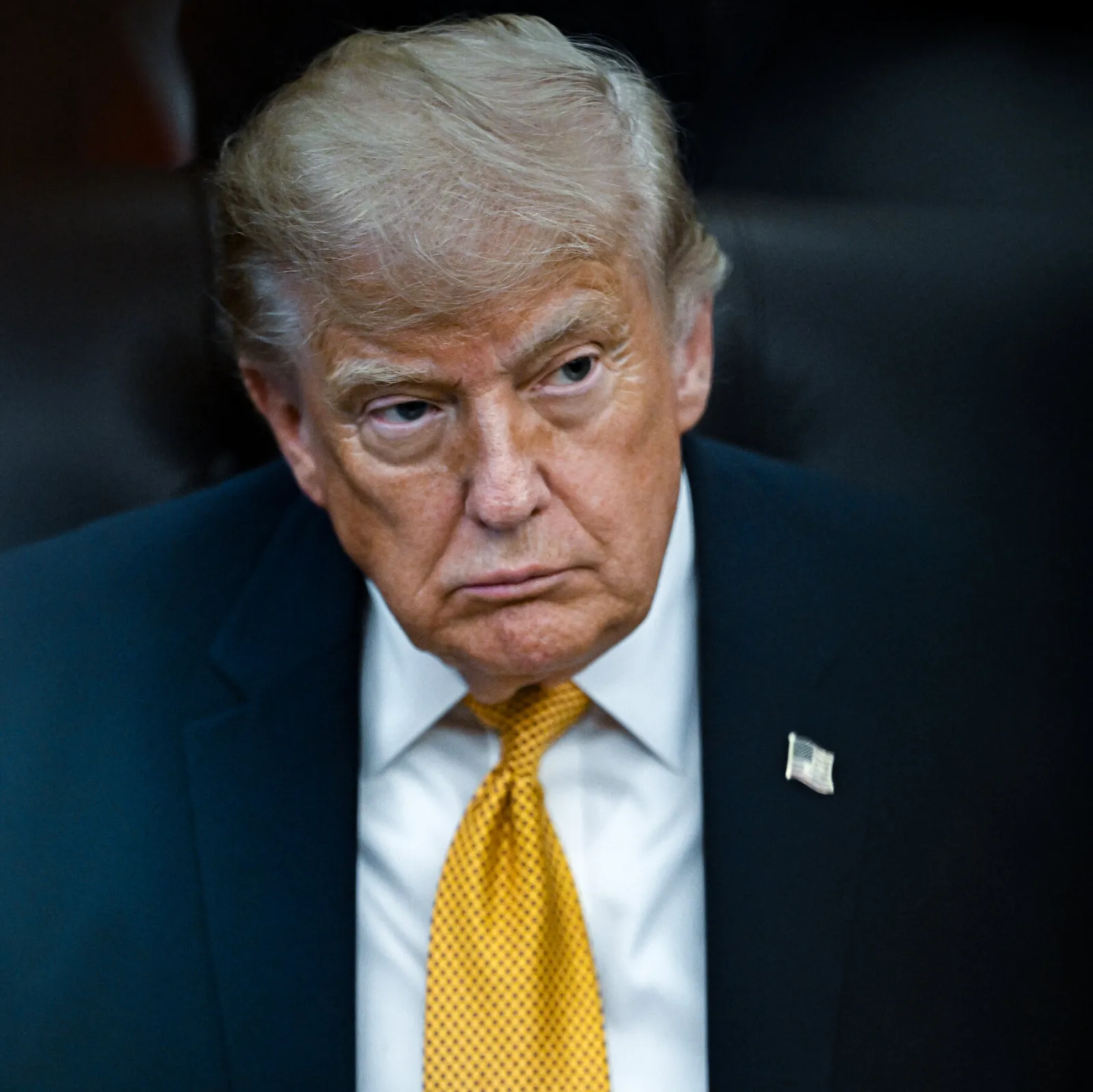
Donald Trump is receiving historic-low approval ratings for a second-term president at this stage of his tenure. Barely a third of Americans approve of his job handling, leaving policymakers and markets to price in political friction.
Barely a third of Americans approve of Donald Trump’s handling of the job, and that number lands him at historic depths for a second-term president at this stage of his tenure.
For decision-makers, this is the key signal: approval at that level is not just a political scorecard. It is a proxy for how much room the administration likely has to govern without resistance, delay, or constant recalibration. When public approval is this low, stakeholders from regulators to courts to corporate boards typically anticipate more volatility, more fighting over legitimacy, and a higher chance that policy timelines stretch or get renegotiated.
There is also a pattern worth understanding. Second-term presidents generally start with a mix of legislative momentum and an expectation that institutional friction will be easier to manage. But the source is clear that Mr. Trump is instead at historic lows for this point in his tenure. That matters because the “governing bandwidth” problem becomes real. Agencies plan around political direction, staffing stability, and how durable a policy posture looks beyond the next news cycle. When approval sinks and stays sunk, it can tighten the feedback loop: everything moves slower, negotiations get sharper, and the administration may spend more time defending its approach than executing it.
This gets especially relevant in the regulatory world, where the mechanics are slower than cable-news cycles but no less sensitive to politics. Rulemaking and enforcement typically rely on legal authority, administrative capacity, and the ability to sustain attention long enough to finish processes. If public support is weak, political opponents, regulated industries, and legal challengers often feel more empowered to contest decisions. That can translate into a higher likelihood of procedural fights, temporary restraining actions, and longer timelines for major rules, even when the underlying policy direction does not technically change.
Markets and corporate leadership teams feel these dynamics indirectly, through uncertainty premia. Even when companies do not lobby on day one, they plan around regulatory risk because it can affect costs, compliance burdens, operational constraints, and long-term strategy. Low approval does not automatically mean policy reversals. But it does raise the odds that any given policy push will face intensified scrutiny, renegotiation, or implementation friction.
For boards and executives, it also changes the incentive landscape for engagement. When political capital is scarce, access can become more transactional, and decisions can become more contingent on immediate political optics. Corporate leaders often track regulatory calendars, comment periods, enforcement priorities, and the direction of key agencies. When the administration is already polling at historic lows this early in the term, the practical question is how quickly it can convert political messaging into operational follow-through.
Second-order implications extend further. If approval is barely above a third, it can shape how lawmakers interpret their own leverage and how coalitions form or fracture. That can affect confirmation dynamics, appropriations, and the ability to coordinate across branches of government. Even where the policy objective remains consistent, the path can become more contested. That, in turn, creates a planning problem for executives who need predictable implementation windows for product launches, compliance upgrades, and supply chain investments.
So the stake is not abstract. The source frames Mr. Trump’s approval as “historic depths” for a second-term president at this point. That level suggests limited political cushion. For peer leaders in regulated industries, for investors allocating capital under policy uncertainty, and for boards that must manage risk across compliance, litigation, and government relations, the message is straightforward: prepare for a governance environment where speed, stability, and predictability may be harder to secure than teams would prefer.
This story's Key Insights and Take-aways are locked.
Create a free account to unlock Executive Actions for one credit.
Register to UnlockAlways free for Executives Club members. Join the Club
More in Politics
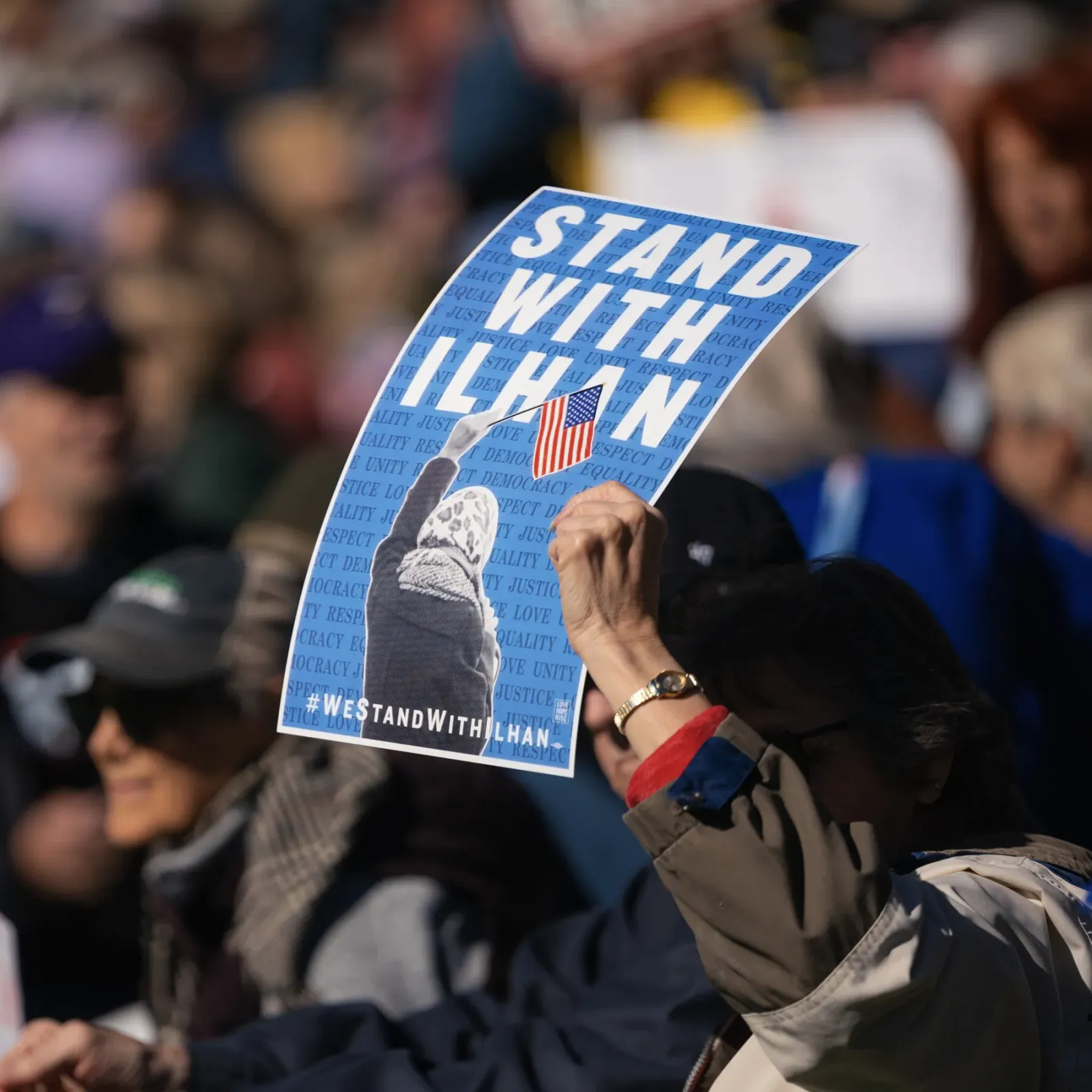
Obama Defends Ilhan Omar After Agents Search Her Home in Trump Inquiry
The former president's intervention raises the stakes in a federal probe into immigration paperwork that has put a prominent progressive lawmaker in the crosshairs.

Blair-era minister: cut welfare to fund youth job support
Alan Milburn's call for welfare cuts to fund employment support opens a Labour fight over benefits and the Neet crisis.
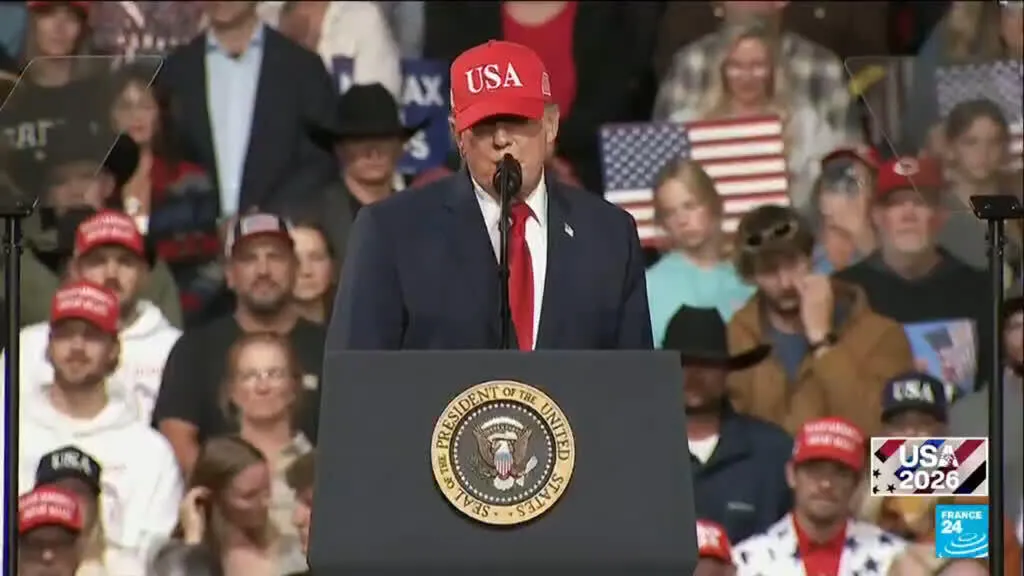
Hot September CPI: energy costs surge, voters feel the squeeze before midterms
The latest inflation print lands as Trump campaigns for GOP control of Congress, putting cost-of-living worries at the center of the midterm fight.