
Trump's 'grand conspiracy' probe is buckling: shake-ups, infighting, no evidence
The sprawling Justice Department inquiry meant to prove a grand conspiracy is unraveling under staffing chaos, internal fights, and a missing evidentiary core. Here is what the collapse means for the rule of law and the political stakes.
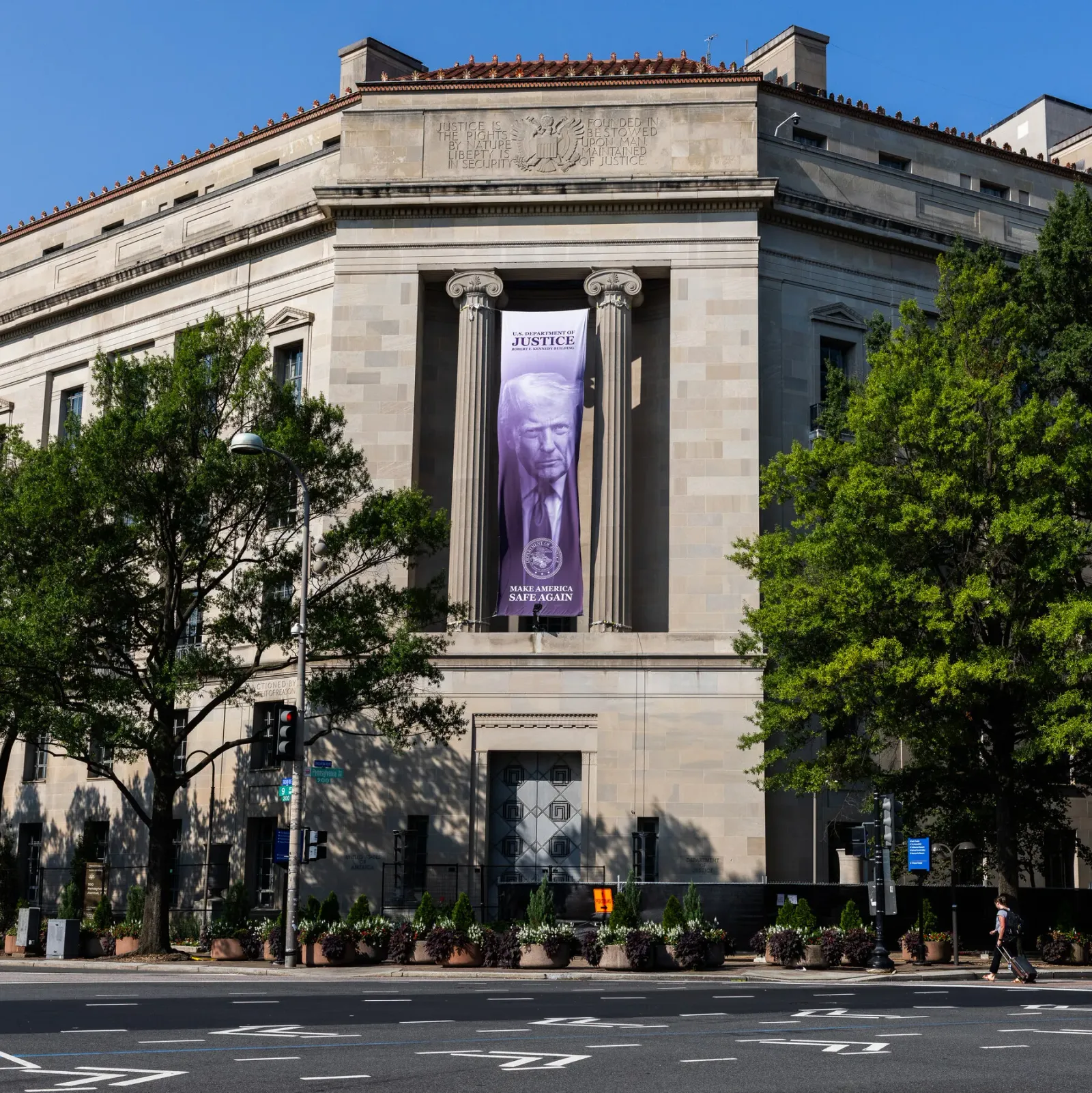
President Trump's allies pushed a sprawling Justice Department inquiry meant to prove a 'grand conspiracy,' but the effort is buckling under staffing shake-ups, internal disputes, and trouble finding evidence. For decision-makers, the collapse is a reminder that political pressure cannot manufacture evidence, and it raises the stakes for institutional independence and the credibility of federal investigations.
The sprawling Justice Department inquiry that President Trump's allies hoped would prove a 'grand conspiracy' is buckling under its own weight. Staffing shake-ups, internal disputes, and trouble finding evidence have turned what was meant to be the centerpiece of a revenge campaign into a case study in how political ambition collides with prosecutorial reality. The three failure modes are distinct but compounding: people leaving or being moved, investigators arguing over direction, and the underlying facts refusing to cooperate.
The stakes here are not just political, though the political exposure is real. For anyone who has watched federal investigations from a boardroom or a trading desk, this is a reminder that the Justice Department's power runs on evidence, not narrative. When the evidence does not cooperate, the machinery grinds to a halt, and the people who promised a result are left holding the fallout. That is the gap the headline promised, and it is the gap the story delivers: a grand theory with no proof to anchor it. For the rest of the government and the markets that watch it, the lesson is that institutional power is only as strong as the facts underneath it.
For context, the Justice Department has long operated under a norm of independence from the White House. That norm is not a formality; it is the foundation of the department's credibility. Special counsel regulations, created in the aftermath of Watergate, exist precisely to insulate politically sensitive investigations from the people they might embarrass. Internal guidelines require prosecutors to follow the facts wherever they lead, not to reverse-engineer a conclusion from a political objective. When that insulation erodes, through staffing churn, internal conflict, or a mission that looks more like a political assignment than a legal one, the investigation itself becomes the story.
The 'grand conspiracy' framing deserves a closer look. Conspiracy cases are among the hardest in the American legal system to prove. Prosecutors must show a shared agreement, an intent to commit an unlawful act, and an overt step in furtherance of that agreement, all backed by admissible evidence. Historically, investigations that chase a grand theory without the underlying proof tend to unravel, either in court or in internal review. The reported trouble finding evidence suggests the theory may have outpaced the facts, which is the single most dangerous position for any prosecutor to occupy.
Staffing shake-ups compound the problem. High turnover in a major investigation typically signals mission drift or internal disagreement about scope and strategy. When investigators leave or are reassigned mid-inquiry, institutional knowledge walks out the door, and the remaining team has to rebuild momentum from scratch. Internal disputes over how to pursue the case only deepen the stall, because every argument about direction is time not spent developing evidence. The combination is a slow bleed: fewer people, more conflict, and a shrinking pool of usable facts.
For the president and his allies, the political math is unforgiving. A revenge campaign sold as a decisive reckoning now looks like a slow-motion collapse. Every week without a finding widens the gap between promise and delivery, and opponents can point to the turmoil as proof that the entire premise was hollow. The inquiry was meant to project strength; instead, it projects dysfunction. In politics, the perception of a failed investigation can be as damaging as the failure itself, because it converts a tool of intimidation into a source of vulnerability.
For executives and boards, the episode is a useful stress test for how they read political risk. When a government institution is publicly pushed to produce a predetermined outcome, the volatility is real, but so are the guardrails. The same norms that slow a politicized inquiry are the ones that protect companies from arbitrary enforcement. Watching this play out is a reminder that institutional process, however messy, is often the last line of defense between power and caprice. That is not a partisan point; it is a structural one.
The strategic takeaway for peers in similar roles is blunt: do not build a plan around a political promise that depends on evidence you cannot control. Whether in government, litigation, or corporate investigations, the gap between narrative and proof is where careers and reputations go to die. The DOJ inquiry is buckling because the facts did not show up. That is the whole story, and it is the only one that matters.
This story's Key Insights and Take-aways are locked.
Create a free account to unlock Executive Actions for one credit.
Register to UnlockAlways free for Executives Club members. Join the Club
More in Politics
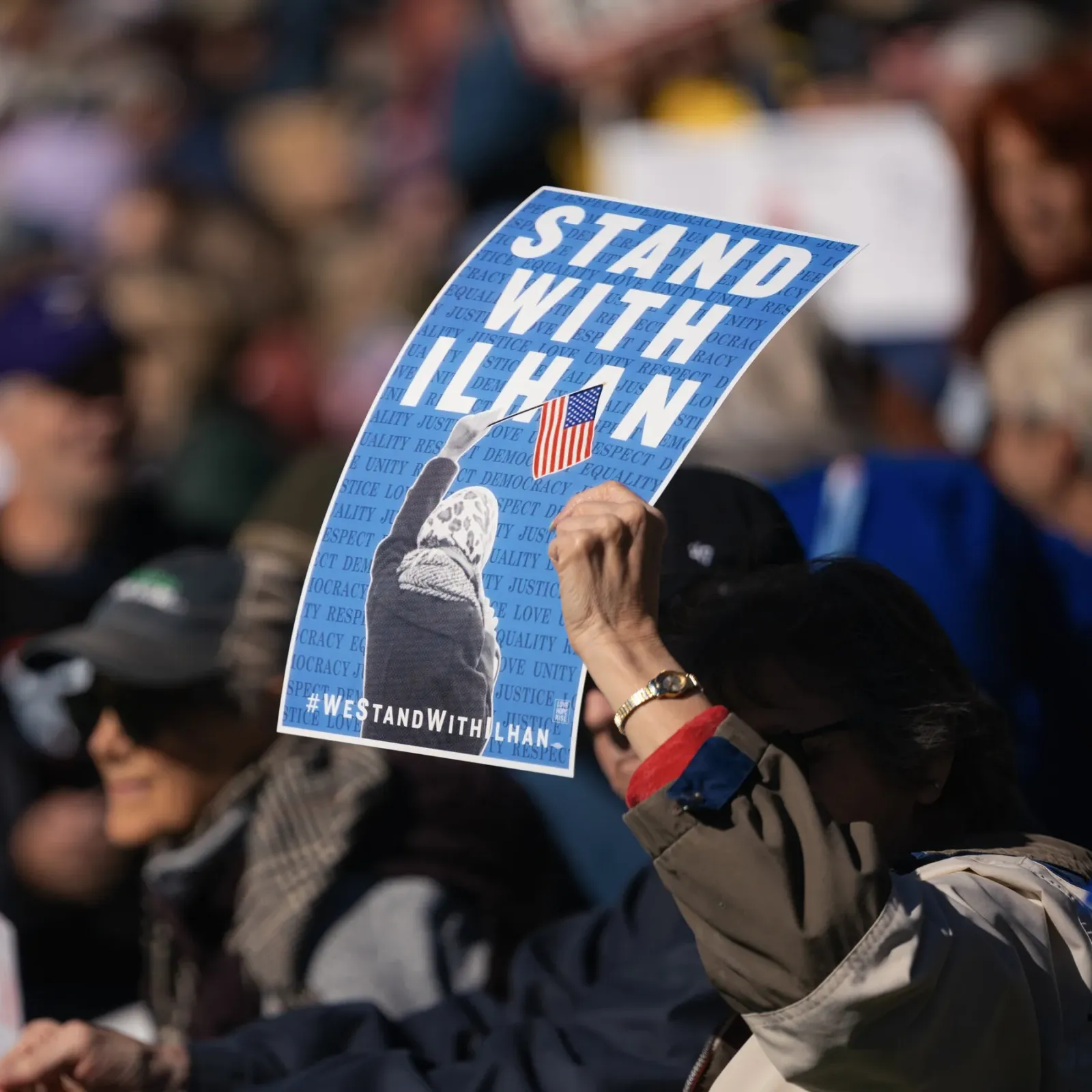
Obama Defends Ilhan Omar After Agents Search Her Home in Trump Inquiry
The former president's intervention raises the stakes in a federal probe into immigration paperwork that has put a prominent progressive lawmaker in the crosshairs.

Blair-era minister: cut welfare to fund youth job support
Alan Milburn's call for welfare cuts to fund employment support opens a Labour fight over benefits and the Neet crisis.
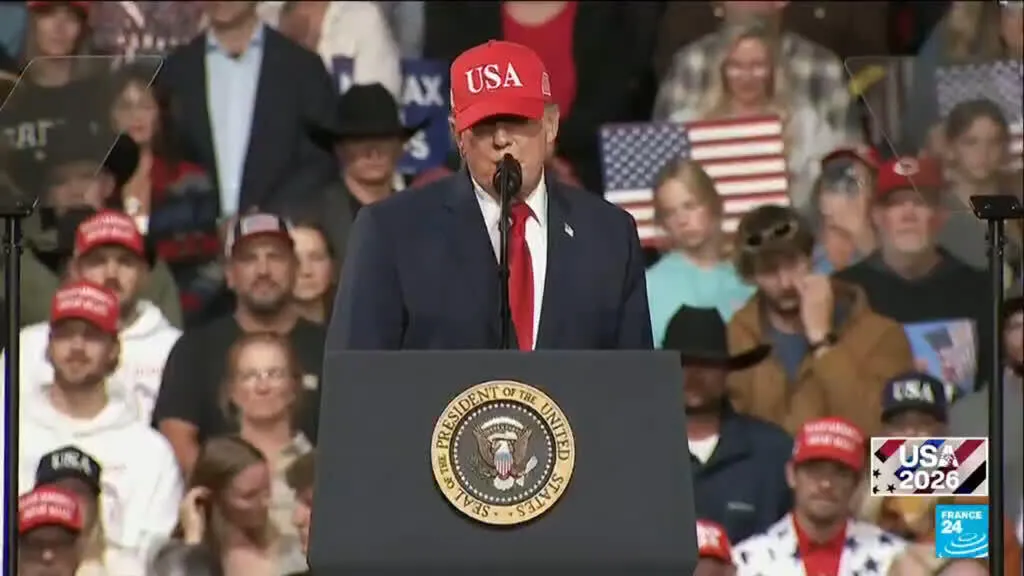
Hot September CPI: energy costs surge, voters feel the squeeze before midterms
The latest inflation print lands as Trump campaigns for GOP control of Congress, putting cost-of-living worries at the center of the midterm fight.