
Trump’s Iran cease-fire looked like a win in June, then collapsed fast
The deal briefly eased the temperature. The breakdown shows how fragile US-Iran diplomacy is when incentives misalign.
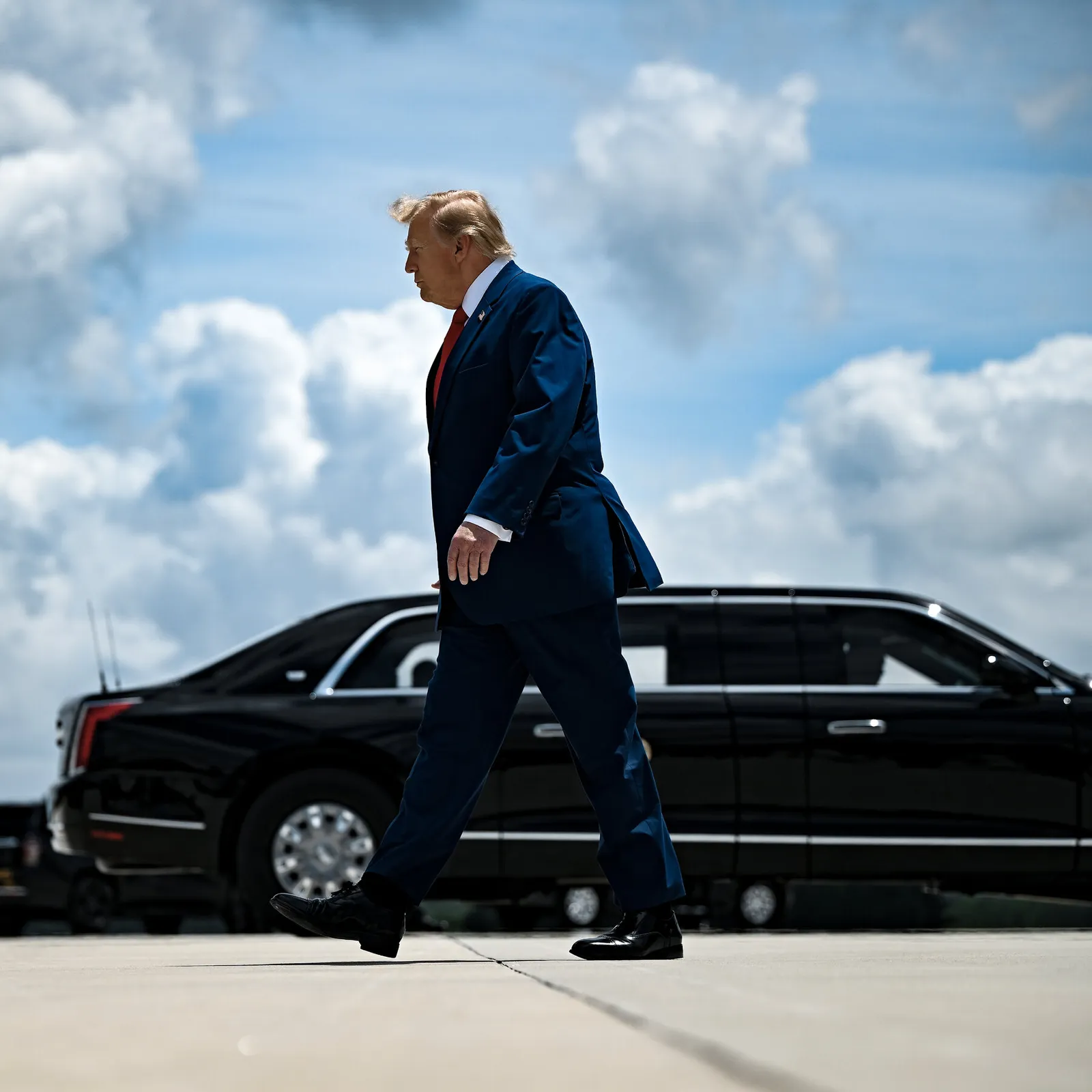
A U.S.-Iran agreement signed in June initially appeared successful, but it did not last. The collapse creates immediate uncertainty for decision-makers tracking US policy risk and regional stability.
A U.S. deal with Iran signed in June initially appeared to be a success. It didn’t take long to fall apart.
That arc, from celebration to escalation, matters more than the headlines suggest. When a cease-fire or diplomatic framework begins with optimism and then unravels quickly, it signals something structural: the conditions that made the deal possible were always more fragile than they looked. The source is blunt on timing and outcome, and the implication for anyone running organizations exposed to policy risk is equally blunt. If the baseline assumption is that agreements will hold, the June-to-collapse pattern punishes that assumption fast.
To understand why this happens, you have to look at how these deals work in practice. A U.S.-Iran arrangement is not just a legal document. It is a moving set of expectations across sanctions, enforcement, verification, and political signaling. Even when a framework starts strong, it still depends on ongoing compliance and on both sides believing that the other will stick to commitments when costs rise. In other words, the deal has to survive not only paperwork but also human incentives, domestic political pressure, and the temptation to test boundaries.
Regulatory context is where the fragility often shows up. For the U.S., Iran policy is tightly bound to sanctions regimes and enforcement priorities, which means a cease-fire framework is only as stable as the operational machinery behind it. When enforcement agencies adjust their posture, or when parties interpret signals differently, the practical effect on trade, finance, and compliance can shift quickly. The result is that even if the deal is “signed,” the lived reality for banks, exporters, insurers, and compliance teams can change before a cease-fire is formally declared over. Decision-makers in corporate risk functions feel this as whiplash: uncertainty widens, internal controls get tightened, and counterparties become harder to trust.
Now layer in the second-order incentives. Diplomatic wins are not evenly distributed. The party that benefits earlier from reduced tension may face less immediate pressure than the party that still needs follow-through on downstream obligations. If either side believes it is doing more than its share, the deal’s momentum can collapse into escalation. The source gives the outcome, not the play-by-play, but the pattern itself is enough to understand the risk. The first phase can look like success because markets and governments want a reason to believe. Then reality catches up with the hard parts: verification gaps, political timing, and the incentives to gain leverage.
For executives, this is where it stops being abstract. A fast collapse of a U.S.-Iran cease-fire means volatility is not a one-off event, it is a repeatable risk. If your organization relies on stable regional conditions, predictable compliance standards, or smooth access to financing and trade routes, a breakdown like this can ripple outward through multiple functions at once. Legal and compliance teams will re-evaluate exposure. Treasury will stress test counterparties. Supply chain leaders will reconsider sourcing assumptions if transport or shipping conditions deteriorate. Even if your company is not directly trading with Iran, your risk can still move with the policy clock.
The strategic stake for peers in similar roles is straightforward. Deals that start strong and fail quickly create a planning problem, not just a geopolitical one. Board members and C-suite leaders need to treat diplomatic volatility as a governance issue: scenario planning, risk appetite clarity, and contingency readiness should assume that “signed” does not mean “safe.” The June-to-collapse storyline captured in the source is a reminder that policy-driven cease-fires can unwind rapidly when incentives misalign and implementation becomes contested. In that environment, the winners are not the ones who watch events passively, but the ones who have already built decisions to withstand the moment optimism turns into escalation.
This story's Key Insights and Take-aways are locked.
Create a free account to unlock Executive Actions for one credit.
Register to UnlockAlways free for Executives Club members. Join the Club
More in Politics
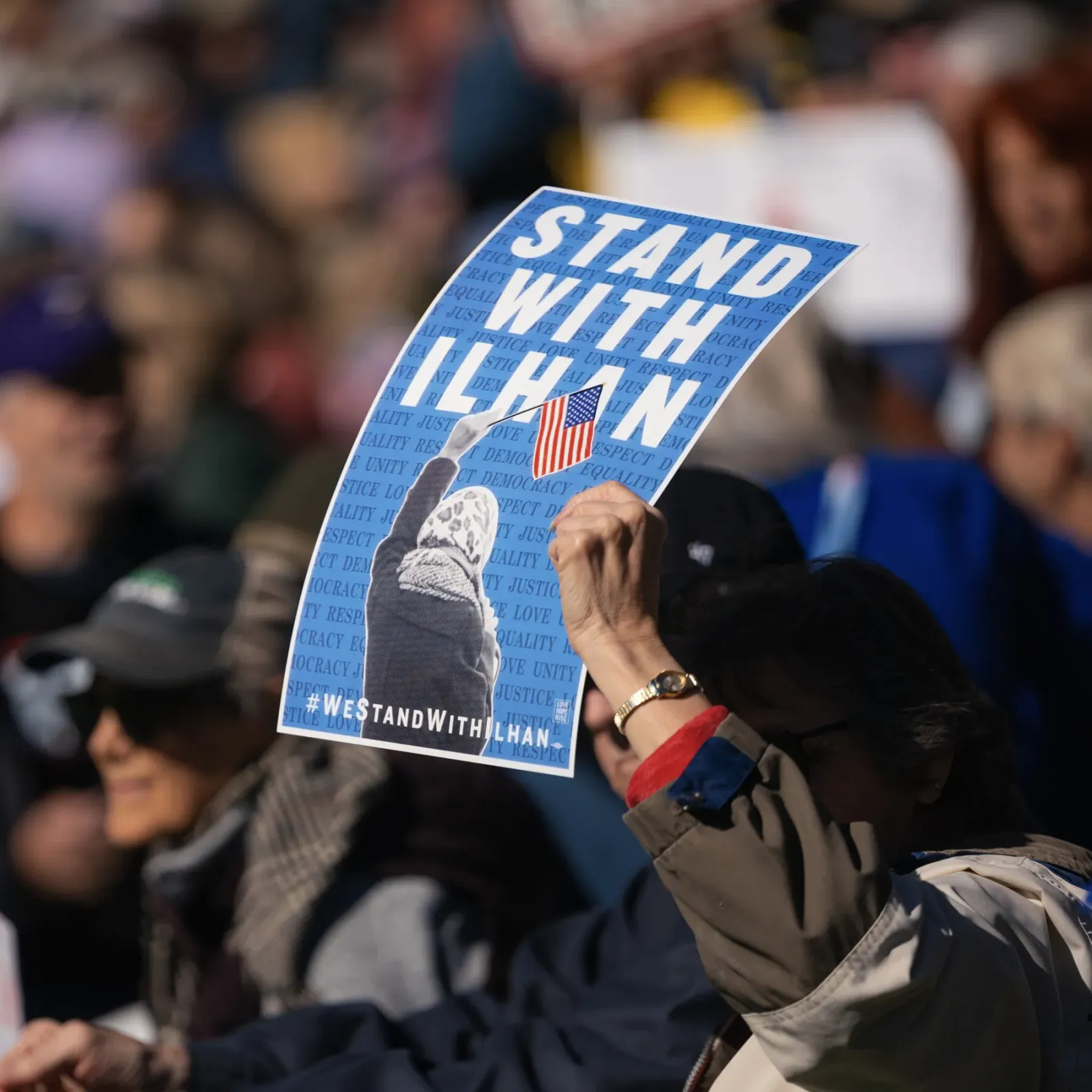
Obama Defends Ilhan Omar After Agents Search Her Home in Trump Inquiry
The former president's intervention raises the stakes in a federal probe into immigration paperwork that has put a prominent progressive lawmaker in the crosshairs.

Blair-era minister: cut welfare to fund youth job support
Alan Milburn's call for welfare cuts to fund employment support opens a Labour fight over benefits and the Neet crisis.
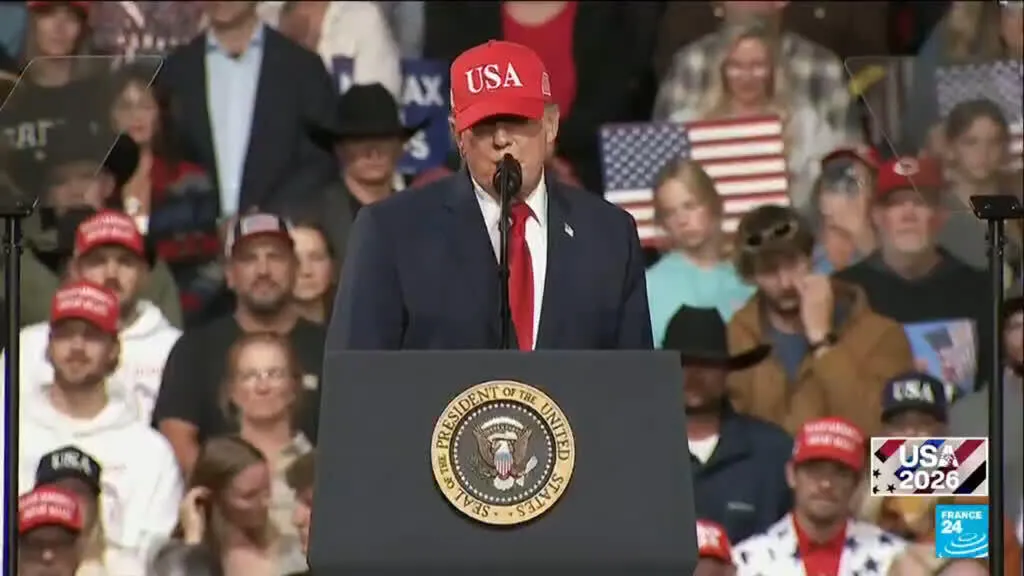
Hot September CPI: energy costs surge, voters feel the squeeze before midterms
The latest inflation print lands as Trump campaigns for GOP control of Congress, putting cost-of-living worries at the center of the midterm fight.