

Trump’s quantum orders spark double-digit surges, even as Nasdaq drops 2.2%
QC-ADDS and quantum-resistant encryption timelines gave investors a jolt, lifting Quantinuum, Infleqtion, and D-Wave.
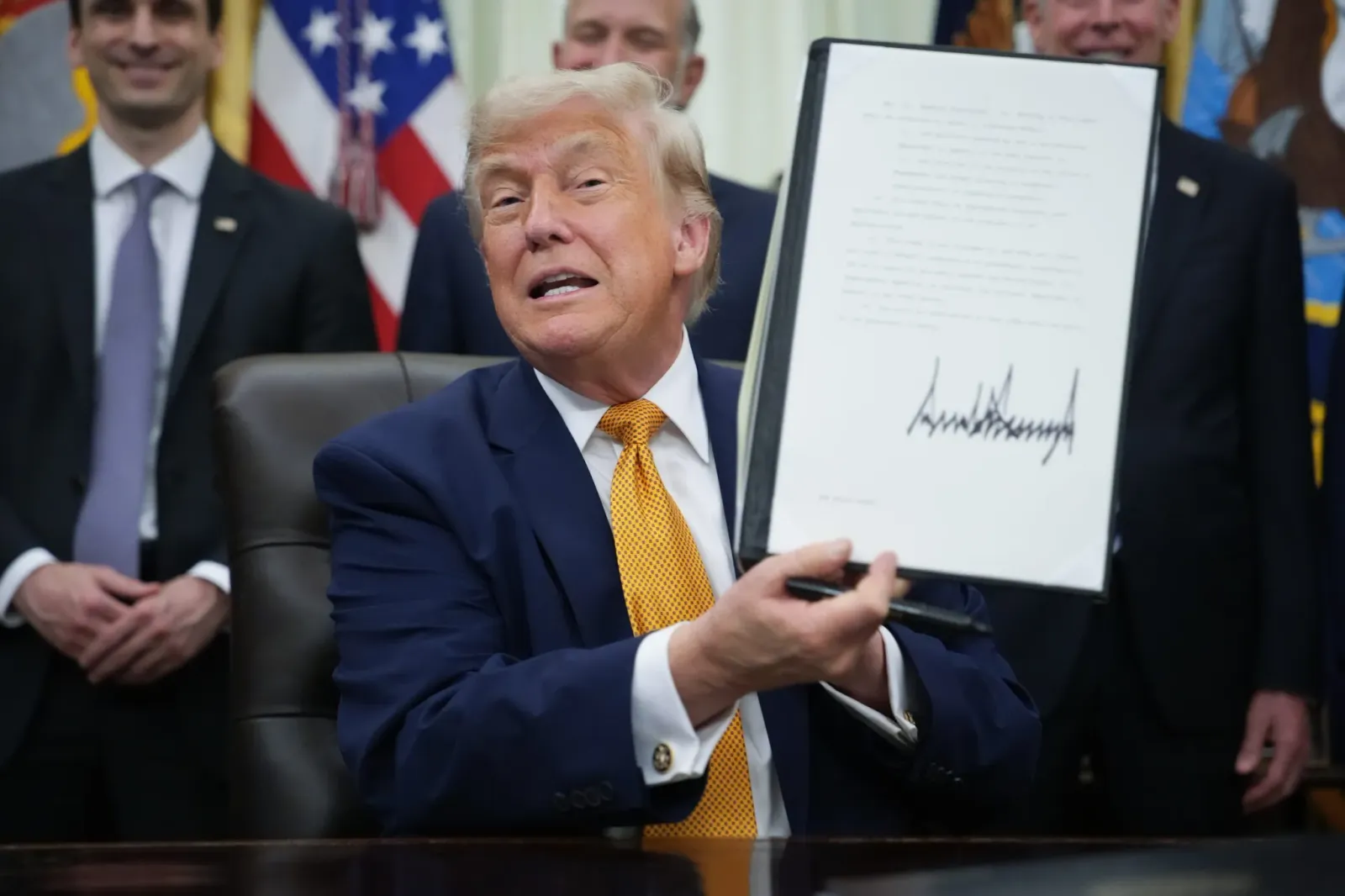
After President Trump signed two executive orders backing U.S. quantum computing and post-quantum cryptography, quantum stock leaders jumped as the broader market fell. The move tightens federal deadlines and reshapes the near-term incentives for companies seeking government and commercial traction.
Tuesday was a gut-check for tech investors. The tech-heavy Nasdaq fell 2.2%, the S&P 500 dropped more than 1.4%, and even with “AI” still in every sentence, risk appetite clearly cooled. Then came a strange bright spot: quantum computing stocks surged by double digits for parts of the sector, even as the rest of the market struggled.
By market close Tuesday, Quantinuum, formed in 2021 through a merger of Honeywell Quantum Solutions and Cambridge Quantum, led the group with shares up more than 13%. Infleqtion and D-Wave closed up 12% and 2%, respectively. IBM, which operates the largest fleet of high-powered quantum systems, gained 5%. The common thread behind the move was not a single earnings report or product demo. It was policy: Trump signed two executive orders aimed at maintaining U.S. dominance in quantum and forcing adoption of quantum-resistant security for sensitive data.
The orders were signed at the White House Monday, with leaders of quantum-computing-linked companies in attendance. Trump framed quantum computing as urgent national work, telling the White House Monday it is of “enormous significance for our country's economic growth, scientific research, and cybersecurity.” For investors, that matters because quantum has long lived in a tension: huge promise, but uncertain timing. The sector has struggled to convince markets that a commercial payoff is close. By attaching deadlines and government actions to quantum, the executive orders effectively turned “someday” into “measurable milestones,” at least for parts of the ecosystem.
Here is what the policy actually does, in plain English. The first executive order establishes the QC-ADDS initiative, directing federal agencies to build the first quantum computer capable of performing “scientifically relevant” research, to be housed at a Department of Energy facility. It also requires the Pentagon to deploy at least three next-generation quantum sensor projects by 2028. The sensors are intended to provide GPS-independent navigation in conflict zones and the ability to detect underground infrastructure from space.
The second order targets cybersecurity. It directs federal agencies to upgrade their most sensitive systems to quantum-resistant encryption by the early 2030s. Federal contractors face the same requirements. And globally, the State Department was directed to push allied governments and critical infrastructure operators to adopt compatible standards. That is an important detail for boards and finance teams: it is not just a research mandate. It is a procurement and standards pathway. Security spending typically behaves differently than experimental R&D spending because it is tied to operational risk and compliance.
This is not Trump’s first swing at quantum. In 2018, he signed the National Quantum Initiative Act, authorizing up to $1.2 billion for quantum research. In May, the Trump administration said it would invest an additional $2 billion in nine quantum computing companies in exchange for equity stakes, including GlobalFoundries and IBM, which were set to receive $375 million and $1 billion, respectively, for quantum-associated projects. Smaller beneficiaries named in the source include D-Wave, Infleqtion, and Quantinuum, whose shares surged Tuesday. Add the new executive orders to the mix and you get a clearer narrative for the sector: government backing is not only about dollars. It is also about timelines and adoption.
The people closest to the policy signaling also show why the market reacted. Infleqtion CEO Matthew Kinsella attended Monday’s signing and told Fortune that the new orders now make quantum a “national imperative.” In a separate statement, IBM CEO Arvind Krishna called the executive orders an “important, timely step forward,” and said “Sound policy, sustained investment, and public-private partnership are vital to sustaining U.S. quantum leadership and technological resilience.” IBM was present, and the stock move followed. JPMorgan analyst Brian Essex also upgraded IBM to overweight from neutral, partly because of its potential to benefit from increased interest in AI and quantum computing, helping boost the stock Tuesday.
Still, a sober note sits under the excitement. The source is clear that Tuesday’s gains do not magically make quantum profitable. Quantinuum, Infleqtion, and D-Wave are all pre-profit companies. Some have leaned on government contracts and private investment to fund research and operations. Monday’s orders signal the federal government backs quantum, but whether that support can translate into profitability remains to be seen. For executives, that is the real chessboard: policy can accelerate engineering and demand, but commercialization depends on technical breakthroughs, procurement cycles, and the ability to scale qubit stability and practical performance in real-world settings.
If you are an executive at any company riding the edge of next-gen compute, this is the strategic takeaway. When policy adds deadlines to a technology category, it changes the funding math and who wins early contracts. For quantum boards, investors, and operators, the question is no longer whether quantum has hype. It is whether the government’s “build and adopt” timetable creates enough structured demand to de-risk the path to revenue, and whether your company can be one of the firms positioned when those deadlines turn into budgets.
This story's Key Insights and Take-aways are locked.
Create a free account to unlock Executive Actions for one credit.
Register to UnlockAlways free for Executives Club members. Join the Club
More in Business

A flaw in PHP just forced governments to pull their own sites offline
European agencies from Belgium to Germany took websites dark to patch a critical weakness in the language behind almost 70% of the web, and the blast radius extends far beyond government portals.

BioWare shuts down, Mass Effect 5 dead after $55B EA buyout
The legendary RPG studio's closure lands months after a $55 billion investment group buyout of EA, raising tough questions for gaming's biggest acquirers.
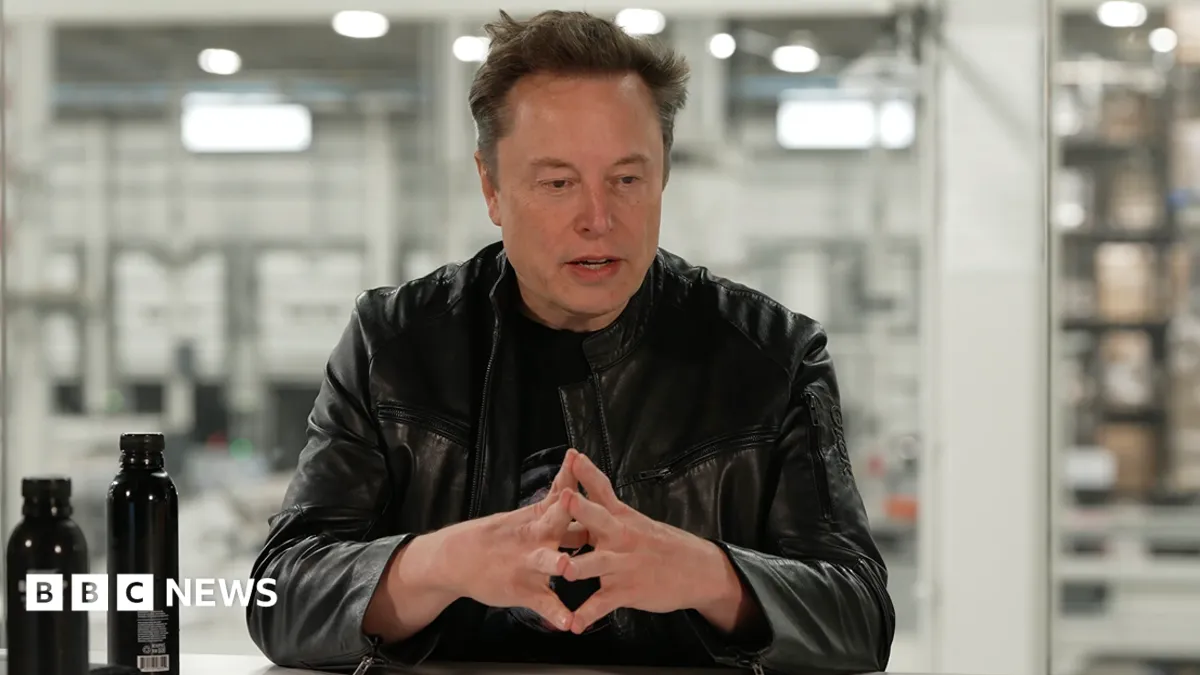
Musk weighs Tesla-SpaceX mega-merger as boards form review panels
Special committees at both companies will examine a tie-up that could fuse electric vehicles and space launch, forcing a fresh look at governance and valuation.