

Trump’s rushed Air Force One push ballooned costs and trimmed safety features, investigation finds
A New York Times investigation says speed demands forced trade-offs in safety, with costs spiraling for the delivery effort.
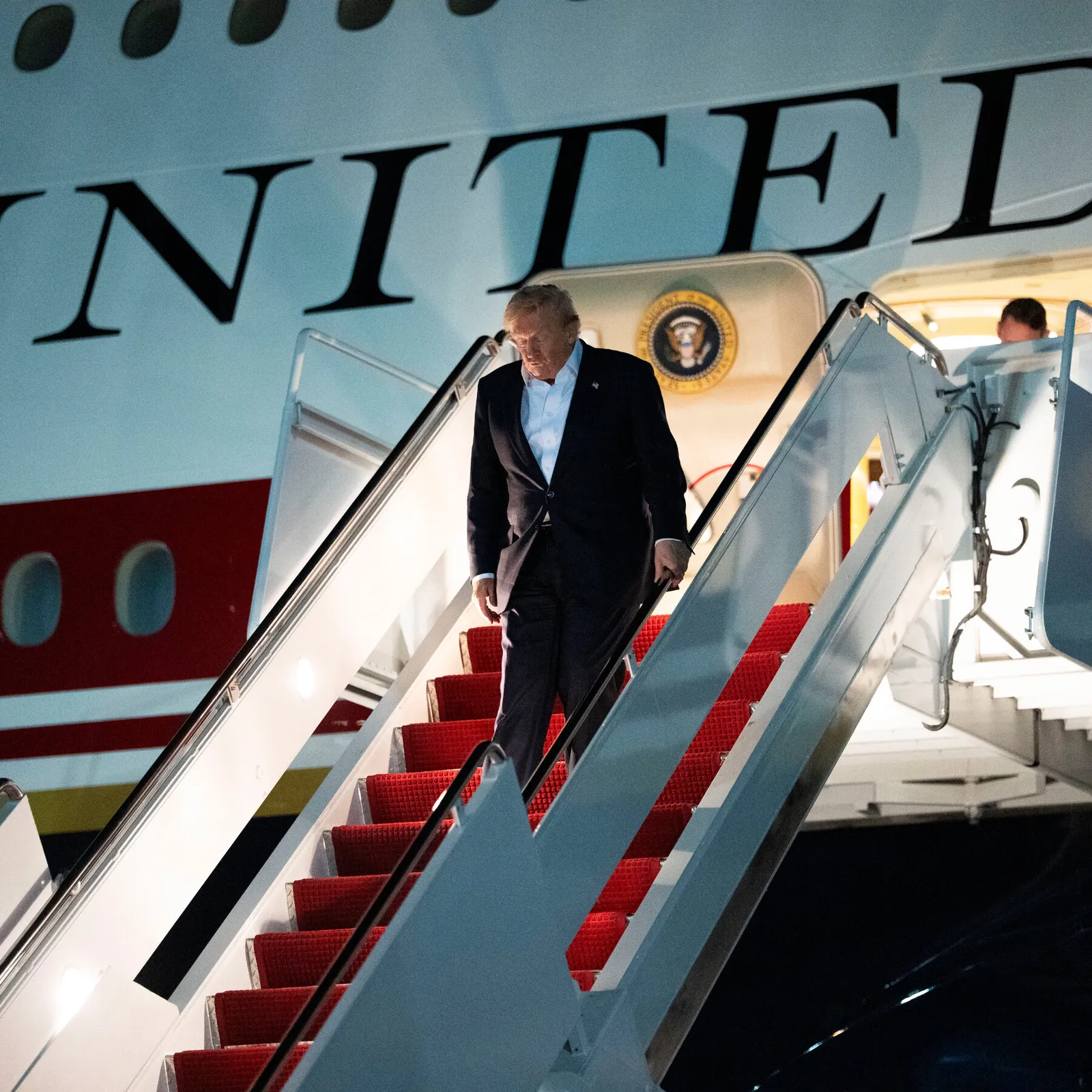
A New York Times investigation found that President Trump pushed to speed delivery of the next Air Force One aircraft. The consequence for decision-makers: faster timelines drove ballooning costs and trade-offs in safety features.
A New York Times investigation found that President Trump’s effort to speed delivery of the aircraft for the next Air Force One led to ballooning costs and trade-offs in safety features. That is the core of the story, and it matters because Air Force One is not a normal procurement. It is a national security asset, a symbol of continuity of government, and a platform where “schedule pressure” can quickly become “design compromise.”
The report frames a push for speed that did not come free. Instead, the timeline sprint appears to have driven higher spending and forced trade-offs in safety features. For executives, procurement leaders, and boards, this is a familiar pattern with a high-stakes twist: when schedules become the top metric, cost and risk management often get rebalanced in ways that later show up as audit findings, regulator questions, or operational constraints.
To understand why the trade-off is so consequential, it helps to remember how aircraft procurement typically works. Large defense platforms are designed, certified, and built through tightly controlled processes that account for safety, reliability, and operational requirements. Safety features are not just nice-to-haves. They are often linked to certification standards, testing, and operational redundancies. If speed becomes the governing priority, program teams may look for ways to keep things moving, sometimes by changing sequencing, reducing scope in certain areas, or accepting delayed completions. The Air Force One context intensifies this because the aircraft must be ready for a wide range of mission profiles, under political and operational visibility that is hard to “de-risk on the fly.”
The regulatory backdrop is where the tension gets real. Defense and aerospace projects are usually constrained by oversight structures, documentation, and compliance requirements. Those safeguards exist because aviation safety is not only about the absence of immediate failure. It is about mitigating the likelihood of edge-case events, ensuring systems behave predictably across conditions, and proving performance through testing and review. When delivery schedules tighten, teams can face pressure to accelerate certain steps while still trying to satisfy oversight. That is how “cost growth” can appear alongside “safety feature trade-offs,” according to the investigation’s basic conclusion.
There is also a governance angle. In any procurement, you have multiple stakeholders: program leadership focused on schedule, technical leadership focused on compliance and engineering integrity, and leadership focused on budget and political or strategic optics. A rushed push can reorder priorities quickly. If decision-makers reward a faster delivery metric, the internal incentive structure shifts. Engineers may be asked to accept less ideal pathways, while procurement teams look for workarounds to keep dollars flowing and timelines intact. Even if no one thinks they are “cutting safety,” the system can still end up rebalancing risk, scope, and timing. The investigation’s finding that safety features were traded for speed and costs ballooned reflects that kind of institutional pressure.
Now zoom out to what this means for peer executives. Air Force One is uniquely visible, but the incentives are not unique. In commercial aviation, critical infrastructure, healthcare systems, and enterprise software deployments, speed can drive scope changes. When that happens under tight timelines, boards are usually the last line of defense, because they must ask whether the program is still being run to the right standard. The second-order lesson here is not just “watch costs.” It is to ask what trade-offs are being made, explicitly and implicitly, when schedules are accelerated. The New York Times investigation suggests that in this case, the trade-offs landed in safety features.
For decision-makers overseeing complex programs, the strategic stakes are straightforward. If a leadership push to accelerate delivery can produce ballooning costs and safety-feature compromises, then governance has to catch those shifts early. Boards and senior executives should treat schedule acceleration as a risk event, not a victory lap. And anyone running procurement should be able to answer, with specifics, what changed in the design and what that means for safety, compliance, and long-term operational resilience. The Air Force One story is a reminder that speed in high-stakes systems often has a bill attached, and sometimes the bill is paid in the form of safety trade-offs.
This story's Key Insights and Take-aways are locked.
Create a free account to unlock Executive Actions for one credit.
Register to UnlockAlways free for Executives Club members. Join the Club
More in Politics
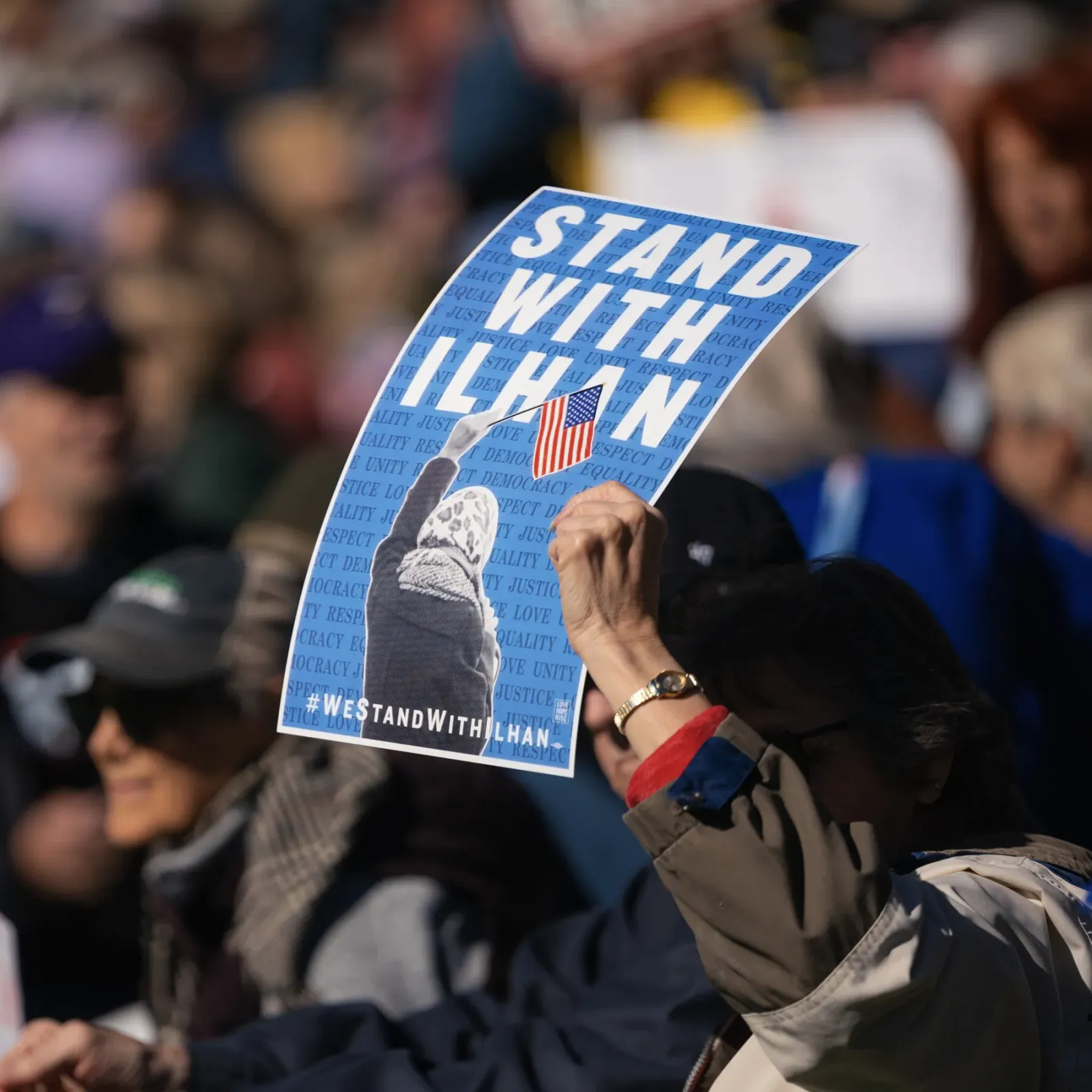
Obama Defends Ilhan Omar After Agents Search Her Home in Trump Inquiry
The former president's intervention raises the stakes in a federal probe into immigration paperwork that has put a prominent progressive lawmaker in the crosshairs.

Blair-era minister: cut welfare to fund youth job support
Alan Milburn's call for welfare cuts to fund employment support opens a Labour fight over benefits and the Neet crisis.

Hot September CPI: energy costs surge, voters feel the squeeze before midterms
The latest inflation print lands as Trump campaigns for GOP control of Congress, putting cost-of-living worries at the center of the midterm fight.