
Trump orders strikes on hold after Iran raid, breaking nearly two-week airstrike streak
Diplomacy and potential Hormuz talks are taking center stage, even as troops and markets brace for the next move.

After Iran killed American troops in Jordan, President Donald Trump reportedly received military plans to strike Iran but ordered them to hold off, according to Axios. The decision broke a nearly two-week streak of U.S. airstrikes as the U.S. and Oman explore an arrangement to reopen the Strait of Hormuz.
A week after Iran killed American troops in Jordan, crossing President Donald Trump’s stated “red line” for restarting all-out war, the U.S. military didn’t launch new airstrikes on the regime. Friday came and went without a fresh announcement from U.S. Central Command, breaking a nearly two-week streak.
Axios reports that Trump received strike plans from the military “yesterday” but did not give a green light. Instead, he ordered them to hold off, while U.S. forces continued preparing for major combat operations in case leadership decides to escalate later. The White House did not immediately respond to a request for comment.
If you’re an operator, investor, or board member, this is the sort of shift that can change everything without looking like a dramatic reversal on paper. Militarily, the U.S. is signaling “pause” while still staging for “go.” Economically, that kind of ambiguous posture is a classic volatility generator. The source makes the point in plain terms: the U.S. retaliated after last week’s troop deaths with airstrikes, but remained “well short” of the widespread campaign early in the war. So the question for markets is not whether the U.S. can escalate, it’s what decides escalation versus negotiations.
Trump has been signaling a preference for diplomacy. On Friday, he told reporters he retains the option to continue strikes, go bigger by “knocking out everything they have,” or pursue a “smarter strategy” of making a deal. He insisted Iran wants that path, saying, “They want to make a deal. I just don’t think they’re ready yet, but they do want to make a deal. Sometimes they don’t want to say they want to make a deal. They want to be the tough guys.” He also said both sides are currently negotiating.
That line matters because it frames the decision calculus inside the U.S. government: deterrence and punishment are being paired with the idea of leverage through timing. Even if Trump is in “revenge mode,” as the source notes from earlier reporting, the near-term outcome is a delay rather than a collapse into full-scale escalation. The practical effect is that the conflict becomes a negotiation environment, not a straight runway to war.
Meanwhile, the operational environment around energy routes is not waiting for Washington to find its appetite. The lull in fighting is coming alongside Iran’s attacks on commercial traffic in the Strait of Hormuz, including on ships using a route near Oman's coast defended by Central Command. That’s essentially closed off the narrow waterway again, cutting off oil supplies to global markets and sending crude prices higher. In other words, even without U.S. airstrikes for nearly two weeks, the world’s energy chokepoints are still being stressed.
Here’s where the second-order implications get real: Omani officials traveled to Tehran on Friday for talks on a new arrangement that would reopen the Strait of Hormuz. Axios says negotiations have made progress, and that an Oman-Iran agreement could be reached over the weekend. If that happens, it could ease a major driver of market stress at the same moment the U.S. is limiting kinetic activity. If it doesn’t, you can have a scenario where diplomacy stalls while shipping and oil prices continue to wobble, pulling through to equities and credit.
The bigger regional picture suggests this isn’t just an Iran-U.S. story anymore. The source notes that the U.S. surged special operations troops, bombers, fighter jets, and medics to the Middle East over the past week, according to the Wall Street Journal. Yet the daily bombardment on Iran over the last two weeks also did little to change Iran’s tactics, which included missiles and drones targeting U.S. bases in the region and attacks on Persian Gulf neighbors.
And the proxy and multi-front dynamic is expanding. Bahrain and Kuwait secretly sent fighter jets to bomb Iran, marking their first such attacks, sources told the Journal, after Saudi Arabia and the United Arab Emirates attacked Iran earlier in the war. Saudi Arabia is also fighting Iran-backed Houthi rebels, who have vowed to close the Bab el-Mandeb Strait to Saudi-linked shipping. The Houthis hit two Saudi oil tankers in the Red Sea this week, prompting Saudi Arabia to strike Hodeida, according to the source. Bab el-Mandeb, at the southern tip of the Arabian Peninsula, connects the Red Sea to the Gulf of Aden. So now you have two chokepoints under strain: the Persian Gulf via Hormuz and the Red Sea via Bab el-Mandeb.
That overlap helps explain why energy markets are acting like they’re pricing a much larger conflict even when day-to-day U.S. strikes pause. Oil market expert Rory Johnston wrote on X on Friday that Trump may simply bail on the Iran war and “leave everyone else with the mess,” and asked at what level of market stress, “crude/pump price, equity market rout, etc.-will force Trump to do so?” Whether you agree with the framing or not, it highlights the tension boards should care about: this is an escalation risk that can be triggered as much by market behavior as by battlefield events.
So for executives thinking about risk, supply chains, energy exposure, geopolitical hedging, and financing conditions, the key readout from this week is not that war is off. It’s that the U.S. is slowing kinetic action while other actors keep pushing the region’s pressure points. That combination can buy time for diplomacy, but it also keeps the system primed for a fast shift from talks to strikes the moment either side decides the deal window has closed.
This story's Key Insights and Take-aways are locked.
Create a free account to unlock Executive Actions for one credit.
Register to UnlockAlways free for Executives Club members. Join the Club
More in Politics
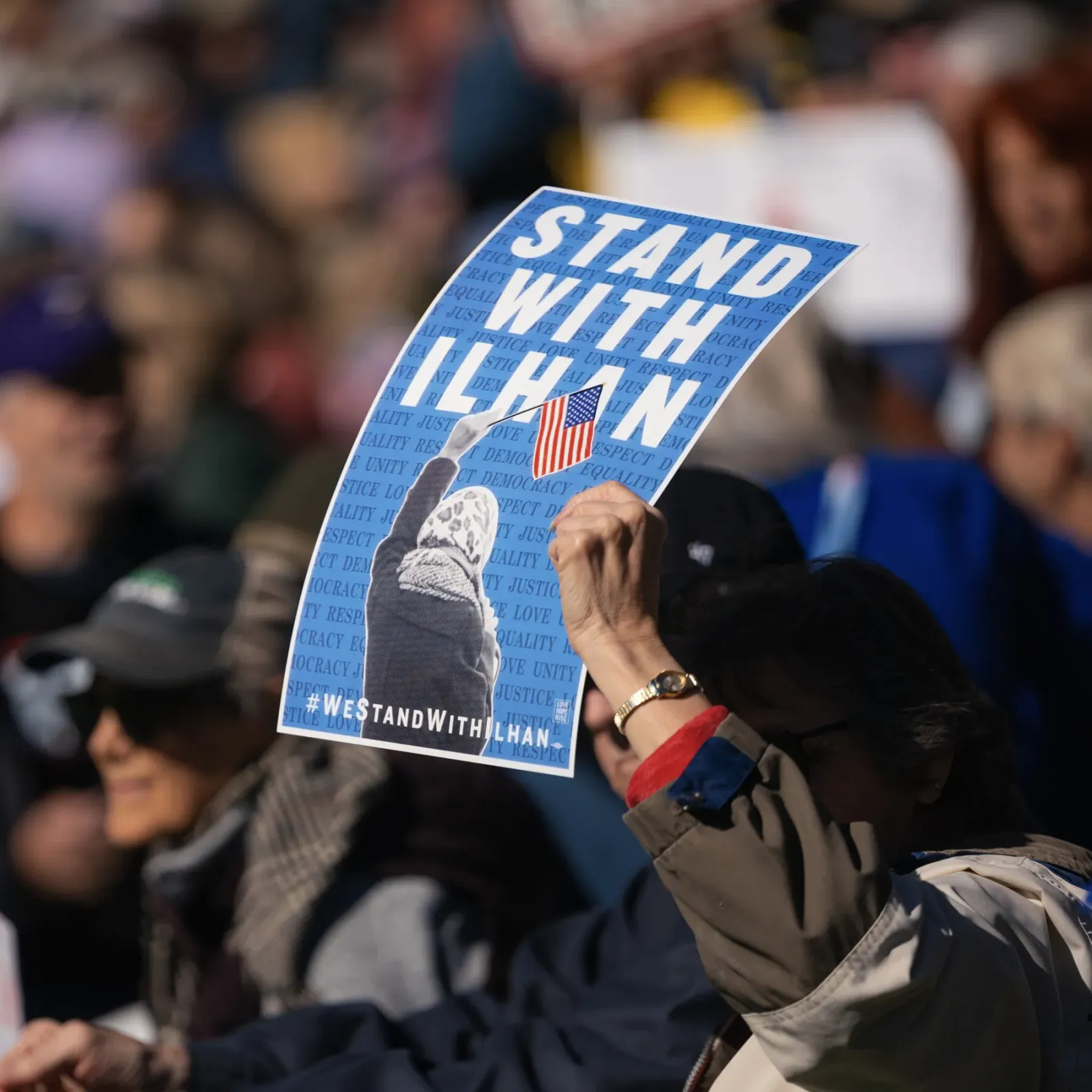
Obama Defends Ilhan Omar After Agents Search Her Home in Trump Inquiry
The former president's intervention raises the stakes in a federal probe into immigration paperwork that has put a prominent progressive lawmaker in the crosshairs.

Blair-era minister: cut welfare to fund youth job support
Alan Milburn's call for welfare cuts to fund employment support opens a Labour fight over benefits and the Neet crisis.
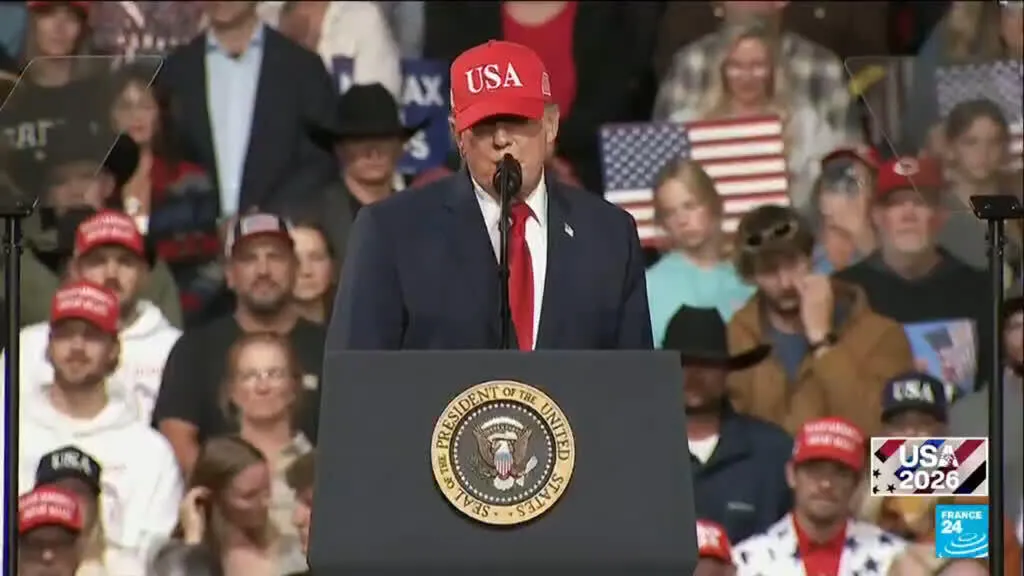
Hot September CPI: energy costs surge, voters feel the squeeze before midterms
The latest inflation print lands as Trump campaigns for GOP control of Congress, putting cost-of-living worries at the center of the midterm fight.