
Biden won’t appeal ruling that lets DOJ release memoir ghostwriter tape recordings
The former president’s choice locks in public access to recordings, tightening the legal and political stakes around his memoir process.

Former President Joe Biden is declining to appeal a court ruling that allows the Justice Department to publicize recordings of conversations between him and a writer collaborating on his memoir. For decision-makers, it signals how quickly court outcomes can turn private collaboration records into public material with long-tail reputational and compliance implications.
Former President Joe Biden is declining to appeal a court ruling that allows the Justice Department to publicize recordings of conversations between him and a writer collaborating on his memoir. The decision means the recordings can be released, without further delay from an appeals challenge, moving the story from litigation to distribution.
That procedural choice matters more than it sounds. Courts can give the government a path to publish recordings after they determine the legal basis for disclosure. By not appealing, Biden effectively accepts that path and prevents the process from dragging into another round of review. For the public, it is a shift from “what may be released someday” to “what is now permissible to share.” For anyone watching the way politics, law, and communications intersect, it is also a live case study in how fast “private” can become “public” once a court opens the door.
To understand the second-order implications, it helps to know what memoir collaboration usually looks like, at least at a high level. Public figures often rely on writers and ghostwriters to capture timelines, personal narratives, and talking points. Those collaborations tend to include drafts, notes, and recorded conversations. When recordings exist, they create a durable record of what was said and when. In ordinary times, that record is controlled through confidentiality norms, contracts, and internal handling. In this case, the legal system is treating the recordings as material that can be publicized under a court ruling.
The Justice Department’s role is the key pivot. When the government seeks to release recordings, it is not just making a document available. It is asserting that public disclosure is justified under the relevant legal standards. Once a court rules in the government’s favor, the disclosure question shifts from “whether publication is allowed” to “when and how it happens.” Biden’s refusal to appeal accelerates that shift. He is not contesting the ruling further in higher court, so there is no added friction to stop disclosure.
That acceleration is where the broader stakes sit for executives, boards, and communications leaders, even far outside politics. Organizations in regulated environments often build compliance processes designed to manage risk before it becomes a headline. They train teams on what gets recorded, how it is stored, who can access it, and how it might be disclosed if litigation or investigations arise. In disputes, companies frequently plan for disclosure scenarios, including how courts might interpret confidentiality arguments. This situation is a reminder that legal outcomes can override internal expectations quickly, and that the existence of recordings creates a specific kind of risk profile.
It also raises questions about incentives for future memo projects and similar collaborations. If public access is possible after litigation, public figures and their teams may review how they handle recording practices and contracting terms. Writers collaborating on memoirs may push for additional safeguards, clearer expectations around confidentiality, and better protocols for what is recorded versus what is handled through text, drafts, or interviews that are not captured the same way. Even when parties intend collaboration to be discreet, the combination of recordings and court rulings can change the cost structure of “writing the story” into something closer to “creating potential evidence.”
Finally, the decision not to appeal highlights how litigation strategy can carry reputational weight. In many legal fights, appeals are used to prolong uncertainty, preserve arguments, or signal disagreement. Declining to appeal sends a different message: the ruling stands, and the disclosure pathway moves forward. That can have ripple effects across political messaging, public perception, and how similar disputes are managed going forward.
For peers in similar roles, the lesson is not about one memoir or one court case. It is about timing and leverage. When courts permit disclosure, waiting for appeal is often the last chance to delay publication. If that option is not taken, disclosure becomes an operational reality rather than a theoretical risk. Boards and leadership teams that manage crisis communications and compliance should treat that reality as a planning input: if records exist and litigation results allow public release, the “private archive” can quickly turn into public narrative.
This story's Key Insights and Take-aways are locked.
Create a free account to unlock Executive Actions for one credit.
Register to UnlockAlways free for Executives Club members. Join the Club
More in Politics
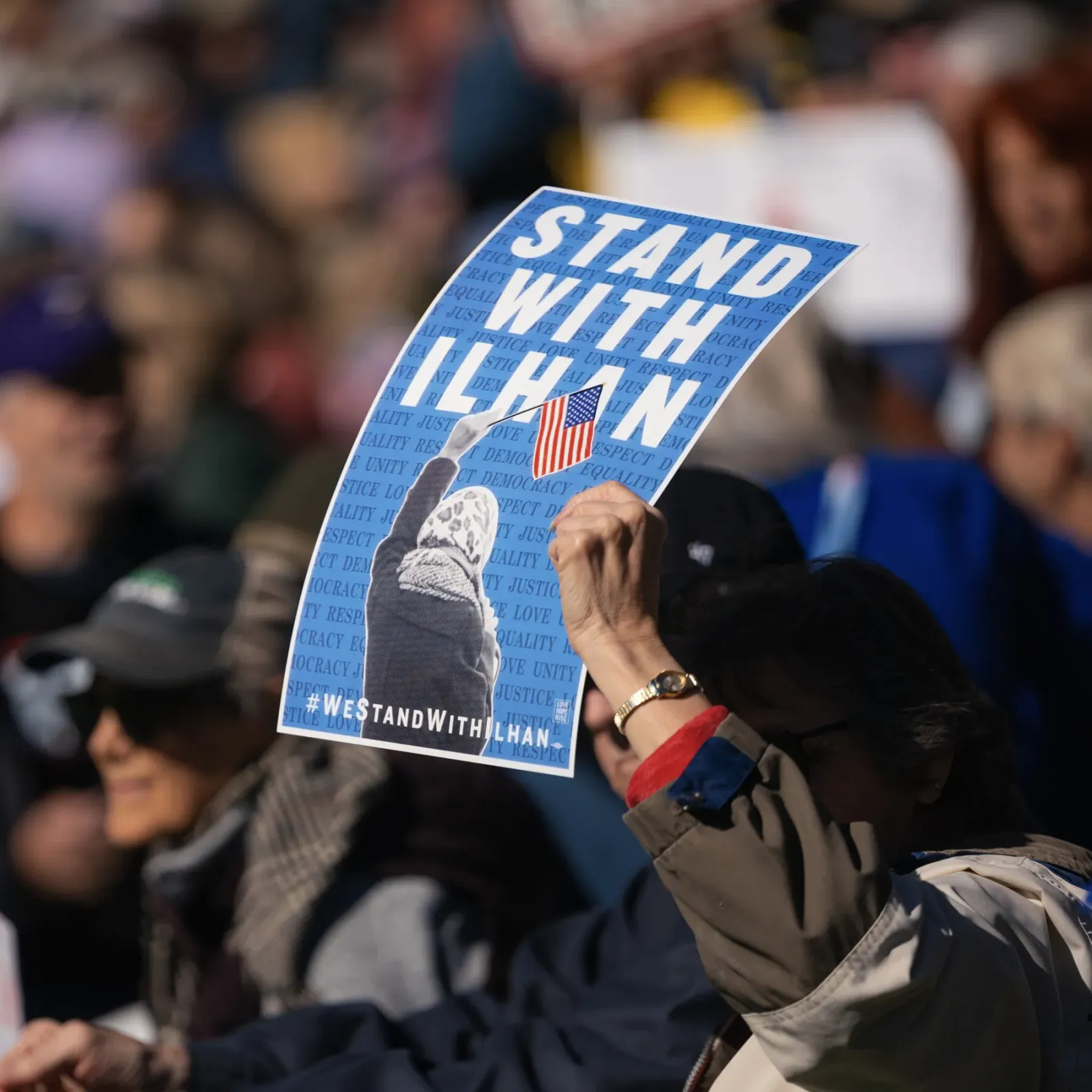
Obama Defends Ilhan Omar After Agents Search Her Home in Trump Inquiry
The former president's intervention raises the stakes in a federal probe into immigration paperwork that has put a prominent progressive lawmaker in the crosshairs.

Blair-era minister: cut welfare to fund youth job support
Alan Milburn's call for welfare cuts to fund employment support opens a Labour fight over benefits and the Neet crisis.
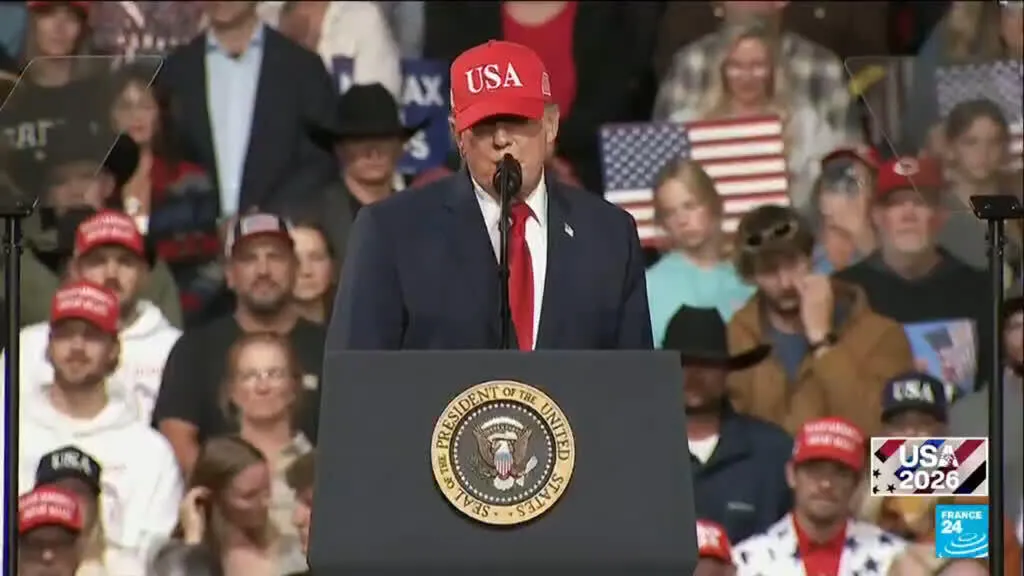
Hot September CPI: energy costs surge, voters feel the squeeze before midterms
The latest inflation print lands as Trump campaigns for GOP control of Congress, putting cost-of-living worries at the center of the midterm fight.