
Trump’s Senate GOP breakup is blocking his agenda in the last GOP stretch
Roadblocks in the Senate, mixed war powers votes, and uncertainty around the Saudi nuclear deal complicate what should be a clean run.
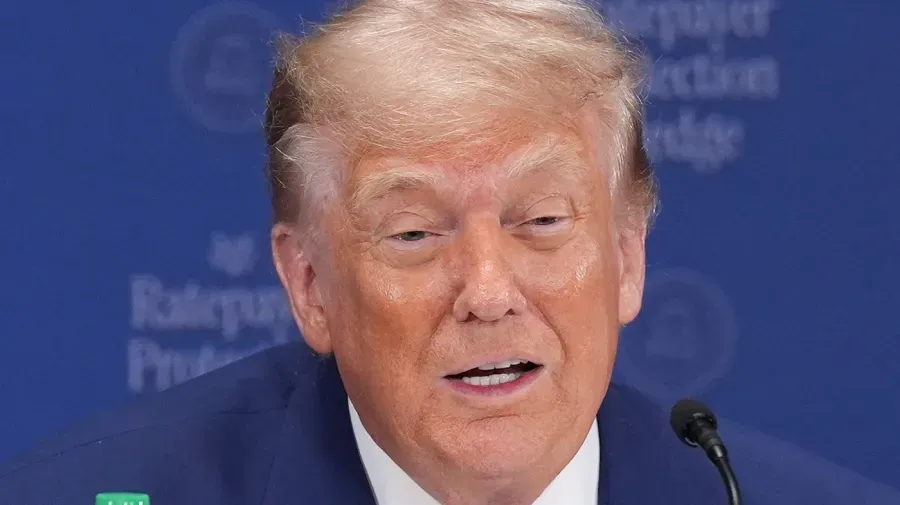
President Trump is running into obstruction from Senate Republicans, straining a damaged relationship with the GOP. The knock-on effects are showing up in roadblocks to his agenda, mixed war powers votes, and confusion around the Saudi Arabia nuclear deal.
President Trump’s relationship with Senate Republicans is already damaged, and it is now turning into an operational problem for his agenda. In what the source frames as potentially the final months of full GOP control during his second term, disgruntled Senate GOP lawmakers are creating “headaches” rather than cooperation. Translation for decision-makers: when the same party controls both chambers, you still can end up with delays, procedural friction, and votes that do not land cleanly.
The practical reason this matters is simple. Senate rules turn disagreement into time. Even when the House is willing to move, the Senate can stall, reshape, or force re-votes through mixed outcomes. Today’s dispatch points to that reality by calling out mixed war powers votes and by flagging Saudi Arabia nuclear deal confusion. None of this is just political theater. For companies and investors, slower timelines mean shifting regulatory risk, delayed clarity on compliance requirements, and a longer window where policy uncertainty can influence spending, contracting, and cross-border planning.
Start with the Senate dynamics. When the legislative majority looks cohesive, leadership can prioritize bills and keep the floor moving. When it is not, “roadblocks” can show up in the form of schedule changes, narrowed coalition support, or legislative language that makes passage harder than expected. The source is explicit that obstruction is coming from disgruntled Senate GOP members, not from the other party. That distinction matters because it suggests the friction is internal, meaning it can persist even if public messaging sounds like unity.
Then there is the war powers angle. War powers votes are rarely straightforward, because they sit at the intersection of national security, constitutional authority, and political signaling. “Mixed” votes imply that even within the GOP there is no single preference line being followed, or at least not consistently across the specific questions being put to a vote. Second-order effect: when war powers become a moving target, it can ripple into defense procurement pacing, executive-branch authority to act, and how companies plan for potential deployments or sanctions implementation. Even if a firm is not directly lobbying on troop authority, policy uncertainty is still uncertainty, and budgets do not like uncertainty.
The other flashpoint in the dispatch is the Saudi Arabia nuclear deal, where the source highlights “confusion.” That word is doing a lot of work. Nuclear cooperation frameworks typically involve complex interlocking approvals, compliance expectations, and international coordination. If there is confusion in the process, it can mean delays in clarity about what safeguards are required, what reporting obligations attach, or what conditions are being negotiated. For decision-makers, the operational takeaway is that policy ambiguity does not sit quietly. It shows up in how businesses assess regulatory exposure, how they structure partnerships, and how they decide whether to move forward on long lead-time projects.
Finally, the dispatch also notes that Google received a major EU fine. That is a separate track from the Senate story, but it reinforces the same theme: in both Washington and Brussels, enforcement and regulatory action can be fast, large, and consequential. Even if the headline of today’s issue centers on U.S. legislative obstruction, the inclusion of the EU fine is a reminder that tech and media companies are still living under intense scrutiny abroad. When U.S. political timelines slow down, global regulators do not. For executives, that means compliance calendars cannot be built around U.S. politics alone.
Taken together, today’s issue paints a picture of an administration dealing with friction inside its own coalition while facing policy ambiguity in sensitive national security matters. If this is truly the last stretch of full GOP control during a second term, then every day of Senate obstruction has a higher cost. The longer the agenda stalls, the more likely it is that priorities either get diluted, get delayed, or force workarounds. For executives watching Washington closely, the stakes are straightforward: you need visibility into timelines, not just outcomes. And you need to plan for “mixed” signals, because in a divided Senate coalition, process becomes policy.
This story's Key Insights and Take-aways are locked.
Create a free account to unlock Executive Actions for one credit.
Register to UnlockAlways free for Executives Club members. Join the Club
More in Politics

Obama Defends Ilhan Omar After Agents Search Her Home in Trump Inquiry
The former president's intervention raises the stakes in a federal probe into immigration paperwork that has put a prominent progressive lawmaker in the crosshairs.

Blair-era minister: cut welfare to fund youth job support
Alan Milburn's call for welfare cuts to fund employment support opens a Labour fight over benefits and the Neet crisis.
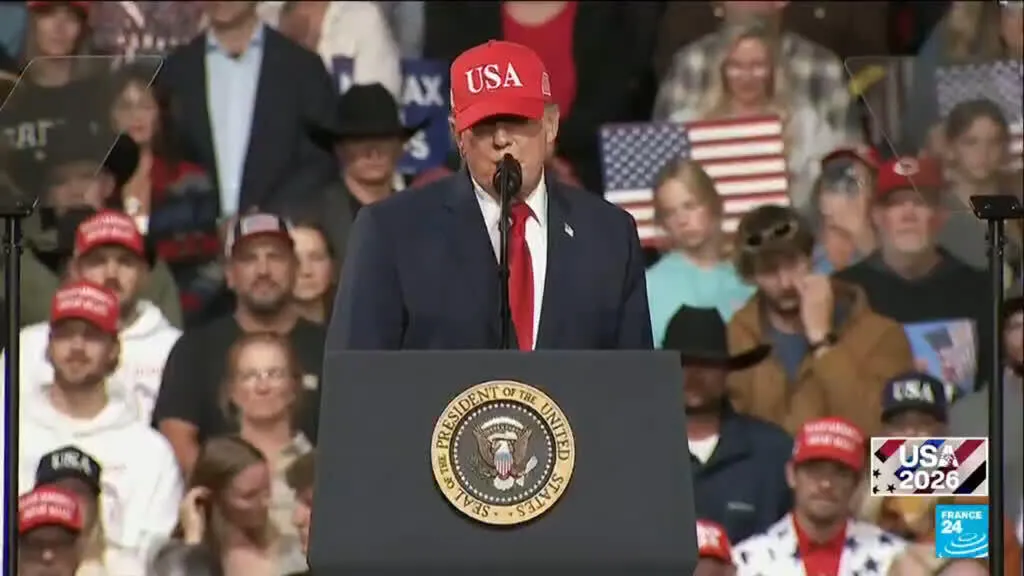
Hot September CPI: energy costs surge, voters feel the squeeze before midterms
The latest inflation print lands as Trump campaigns for GOP control of Congress, putting cost-of-living worries at the center of the midterm fight.