
Trump said Iran gets “unconditional surrender” in weeks. Nearly five months later?
The Iran war started with promises of speed and regime change. The pressure now is to live with the consequences.
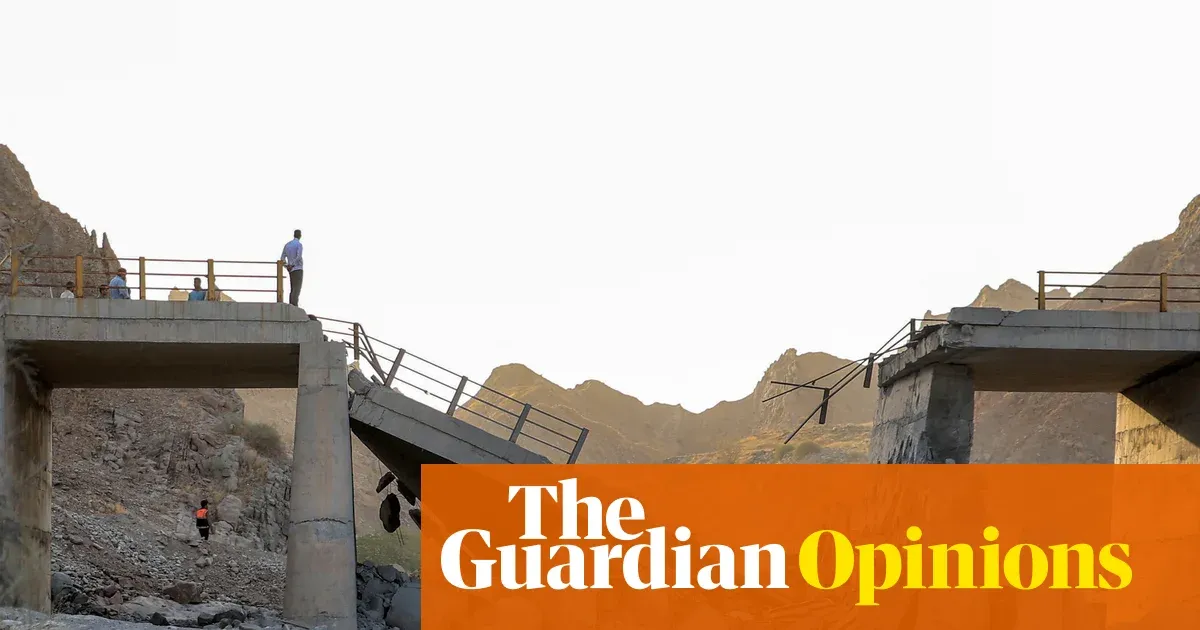
Donald Trump launched a war of aggression against Iran nearly five months ago, despite campaign promises to avoid new conflicts. Early in the war, Trump insisted Washington would achieve decisive victory within weeks and, in early March, said he would only agree to “unconditional surrender” by Iran’s theocratic government.
Donald Trump launched a war of aggression against Iran nearly five months ago. Early on, he insisted the outcome would be decisive within weeks, and his rhetoric was unmistakably maximalist. In early March, about a week into the war, Trump declared he would only agree to “unconditional surrender” by Iran’s theocratic government, vowed to destroy much of Tehran’s military, called for a popular uprising, and touted the overthrow of the regime that rose to power after Iran’s 1979 Islamic revolution.
If you are trying to square those promises with reality, the numbers and the timeline are the problem. The Guardian frames the war as potentially turning into “one of his own making” by dragging the US into something closer to a drawn-out conflict, the very thing Trump previously decried when he criticized the United States’ role in Iraq and Afghanistan. The source describes Trump and his advisers scoffing at any suggestion they were breaking campaign promises not to start new conflicts and to end America’s legacy of forever wars, especially in Afghanistan and Iraq. So the first question decision-makers should be asking is simple: if a war starts with “weeks” language and “unconditional surrender” language, what happens when neither arrives quickly?
To understand why this matters beyond headlines, it helps to remember how wars become hard to reverse. Big statements, especially those that center regime overthrow and popular uprising, shrink the space for off-ramps. Even when objectives are not fully achievable, the political incentives to keep going can intensify. The Guardian’s framing leans into that dynamic: Trump’s “grandiose promises” are presented as the latest chapter in a long history of American “imperial hubris,” a phrase that signals the pattern the author sees rather than a specific new claim.
There is also an organizational lesson here for anyone who sits in a control room, whether it is a boardroom or a war room. Promises of quick victory and demands for total capitulation force leaders to manage expectations externally and internally. In early March, the promise of “unconditional surrender” by Iran’s theocratic government, plus the vows to destroy much of Tehran’s military and to call for a popular uprising, function like constraints. They are not just messaging. They set benchmarks that, if they are missed, create reputational and strategic pressure to escalate rather than de-escalate.
The source also gives you a political timeline that reads like a checklist of how rhetoric can corner policy. The war begins. Trump says Washington will win decisively within weeks. A week into the war, he turns to absolute terms: “unconditional surrender.” Then he adds regime-change signaling tied to the 1979 Islamic revolution. When the conflict drags, the mismatch between the early declarations and the later reality becomes the story, and the story becomes a driver of further decisions. That is how “forever war” language, once used to criticize previous administrations, can start to cling to the new one.
Now zoom out to the second-order implications for executives and boards, even if your company is not in defense. Geopolitical shocks like prolonged conflict can ripple through energy markets, shipping lanes, insurance and compliance costs, sanctions exposure, supply chain resilience, and customer behavior. The Guardian’s piece is focused on the narrative and political stakes, but the business stakes are structurally similar across conflicts: uncertainty increases, risk pricing changes, and compliance burdens can rise fast when governments respond with pressure, enforcement, and policy layering.
Second, prolonged wars tend to harden regulatory and financial stances. Even without inventing specifics, it is reasonable to say that when Washington is locked into an extended conflict, policy tools multiply. That can mean more rigorous screening, more constrained capital flows into higher-risk corridors, and more scrutiny on counterparties. For decision-makers, the practical effect is governance: boards want clarity on exposure, audit readiness, and contingency plans that assume the situation will not resolve on the timetable political leaders once promised.
Finally, the strategic stakes for peers in adjacent roles are about incentives and messaging discipline. The Guardian’s through-line is that Trump insisted on speed, dismissed the notion that he was breaking promises, and then escalated rhetorical demands early in the war. If you are an executive, investor, or operator watching this, the takeaway is not “war will last forever.” The takeaway is narrower and more useful: when leaders commit to absolute outcomes early, they create a governance problem later. Every month that passes without the promised decisive victory tightens the gap between what was promised and what is happening, and that gap becomes a political and operational force of its own.
This story's Key Insights and Take-aways are locked.
Create a free account to unlock Executive Actions for one credit.
Register to UnlockAlways free for Executives Club members. Join the Club
More in Politics

LA County: DOJ's 20,000 'noncitizen' voter list is 'unreliable,' includes U.S.-born
Preliminary review by Los Angeles County election officials finds errors in the federal list, raising the stakes for voter roll integrity ahead of November.

Trump's $1.5B Pentagon chip investment lands in North Carolina
A $1.5 billion defense infusion for North Carolina chipmaking signals a new era of Pentagon-backed reshoring - here's what it means for the industry.

Nigeria confirms first Ebola case in Abuja, a woman just off a Uganda flight
Health Minister Muhammad Ali Pate says the patient flew in from Uganda, putting Africa's latest outbreak on Nigeria's doorstep.