
Trump says truce is over as US and Iran trade Kuwait, Qatar strikes
Retaliation escalated the biggest exchanges since June’s interim memorandum, pushing shipping risk toward Hormuz and beyond.
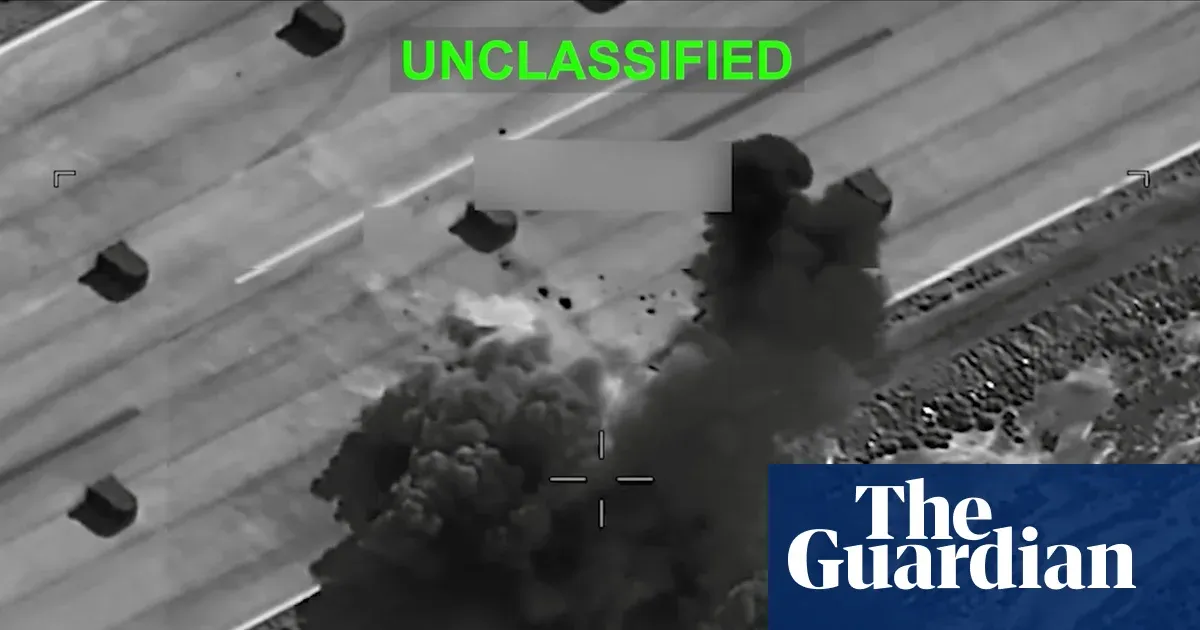
President Donald Trump said the fragile truce is over as the US and Iran traded retaliatory strikes. Iran responded by targeting US-allied Kuwait and Qatar after accusations that the US struck near Iran’s sole nuclear power plant.
On Thursday, the US and Iran traded retaliatory strikes that a report describes as the largest renewed attacks since an interim memorandum was signed this June. The immediate spark was a point-blank warning from US president Donald Trump: the truce is fragile, and it is “over” unless Iran stopped attacking ships in the strait of Hormuz. In other words, this was not just tit-for-tat. It was a pressure campaign with a clear conditional deadline, even as the actual fighting moved across borders.
Iran’s response to the latest round came quickly and geographically wider than the immediate Hormuz region. Iran targeted US-allied Kuwait and Qatar, and it also accused the US of striking near Iran’s sole nuclear power plant. That nuclear plant claim matters because it raises the stakes beyond shipping security into an area where escalation risk is usually at its highest. If you are an operator, an investor, or a board member, you do not need a detailed battlefield map to understand what is being tested: whether the interim memorandum can contain retaliation, or whether the logic of revenge and deterrence is now driving the next cycle.
To understand why decision-makers should care, start with the structure of the standoff itself. The strait of Hormuz is one of the world’s most watched chokepoints for energy and maritime traffic. When ships are attacked there, the world does not only react with headlines. It reacts with risk pricing: insurers rethink exposure, shipping firms reroute, and energy markets price in higher probabilities of disruption. Even if the physical damage is limited, the perceived probability of interruption is often what shifts financial outcomes.
This is why Trump’s framing is significant. By tying his threat of escalation to Iran stopping attacks on ships in Hormuz, the US president effectively positioned the conflict as a controllable variable, with observable behavior as the trigger. That approach tends to appeal to domestic audiences and to markets that crave rules. But the Iranian reply suggests the behavior-based logic is not holding. Iran moved the contest toward Kuwait and Qatar and brought in allegations around the nuclear power plant, which implies Tehran is still willing to retaliate even if the US declares the truce finished.
The reference point for investors and corporate risk teams is June’s interim memorandum. Interim arrangements are designed to pause a spiral, not solve a long-term political conflict. They create a window where both sides can claim restraint while probing each other’s red lines. When the report says these Thursday strikes are the largest since that June agreement, it signals that the pause period is being punctured, not merely tested. In a boardroom context, that is a warning sign about the durability of any “working” framework: when escalation accelerates, the costs tend to spread across portfolios faster than anyone expects.
There is also a wider coalition angle. The fact pattern includes Iran targeting US-allied Kuwait and Qatar. That is not just symbolic. It drags regional partners directly into the risk equation, which can compress their room for maneuver. For corporate leaders in energy, logistics, defense-linked supply chains, and insurance, allied involvement can change escalation dynamics because it affects how quickly governments seek protection measures, legal clarity, and air and maritime security. In practice, that can translate into faster regulatory changes, more stringent compliance requirements, and changes to operational continuity planning.
Then there is the nuclear power plant allegation. The report says Iran accused the US of striking near its sole nuclear power plant. Even without confirming the operational details in the account itself, the mere presence of the claim increases the probability that subsequent actions will be viewed through a nuclear escalation lens. Nuclear-adjacent events are special in global risk management because they can trigger broader international responses, including emergency diplomatic efforts, sanctions enforcement scrutiny, and changes in enforcement posture for related financial flows.
Second-order effects are where executive teams often live or die, so here is what to watch next. First, risk and compliance functions should anticipate tighter scrutiny on transactions linked to shipping, energy exports, and maritime services around the Hormuz corridor and the wider Gulf. Second, treasury and procurement teams should expect counterparty risk to move with the news cycle, because allied states that are named in attacks often become the focus of rapid government measures that can affect payment rails and contract performance. Third, boards should treat the “truce is over” framing as a signal that contingency planning needs to assume more frequent disruptions, even if the conflict never reaches a full-scale regional war.
The strategic stakes for peers in similar roles are straightforward: this cycle tests whether interim de-escalation survives under political pressure. When deterrence and retaliation start looking like the dominant logic, the market learns that agreements can fail faster than operating plans can adjust. For executives, the job is not to predict the next strike. The job is to ensure the organization can operate, comply, and protect cash flow when the corridor that underwrites global movement becomes a volatility engine again.
This story's Key Insights and Take-aways are locked.
Create a free account to unlock Executive Actions for one credit.
Register to UnlockAlways free for Executives Club members. Join the Club
More in Politics
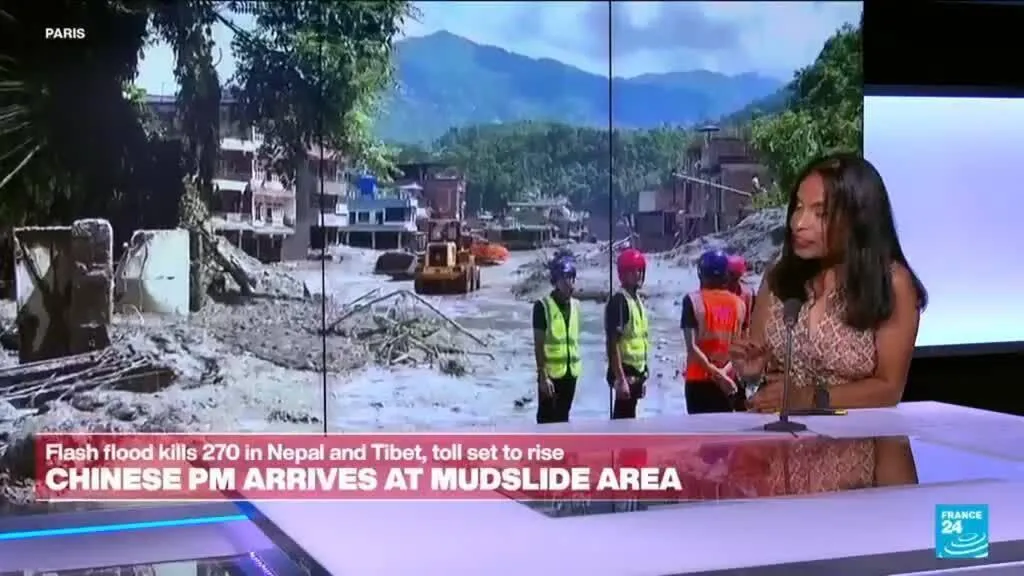
Glacial collapse, not rain, killed 180 in Nepal's Himalayan flood
The Himalaya's extreme geography hid the true cause of Nepal's catastrophic flood, a glacial collapse that turned a geological battleground into a mass-casualty zone.
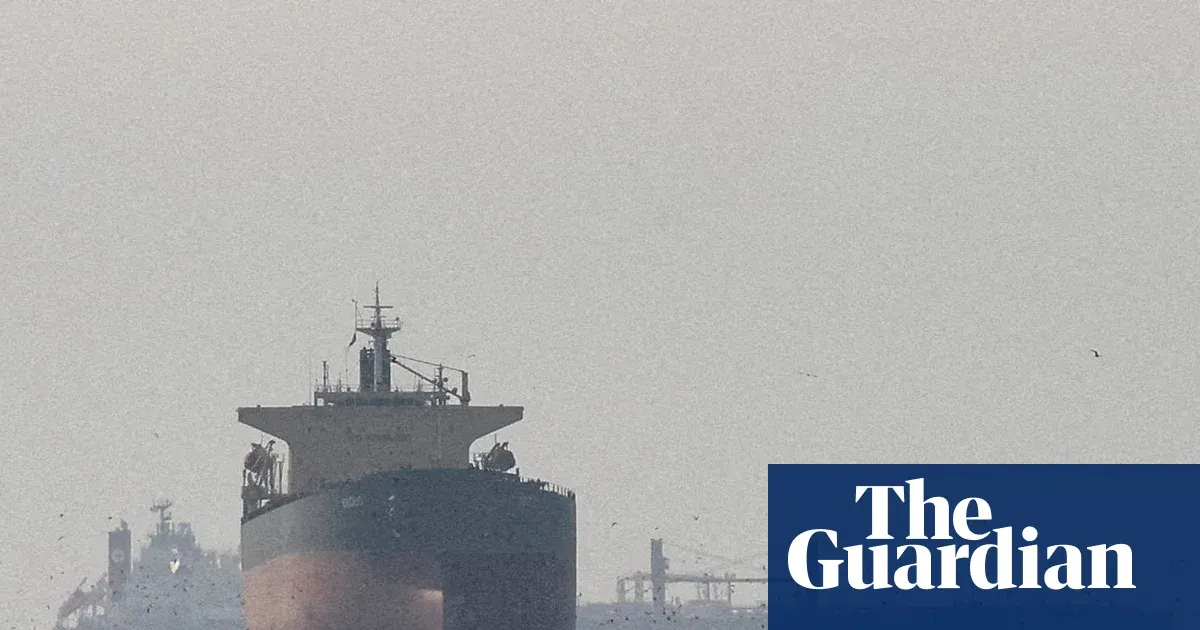
Iran’s Esmail Baghaei says Oman talks start shipping via Hormuz, not US talks yet
Temporary route plans with Oman aim to restart commerce while Tehran says Washington dialogue is not on the table.

Standards watchdog opens probe into Reform UK deputy leader Richard Tice over interests
The parliamentary standards commissioner says it began an investigation on 28 July into a possible undeclared interest.