
Trump team is said to pursue a broad Saudi nuclear deal, lawmakers and Israel push back
A sweeping U.S.-Saudi nuclear plan is reportedly in the works, but fears over weaponization via civilian tech are tightening the noose.
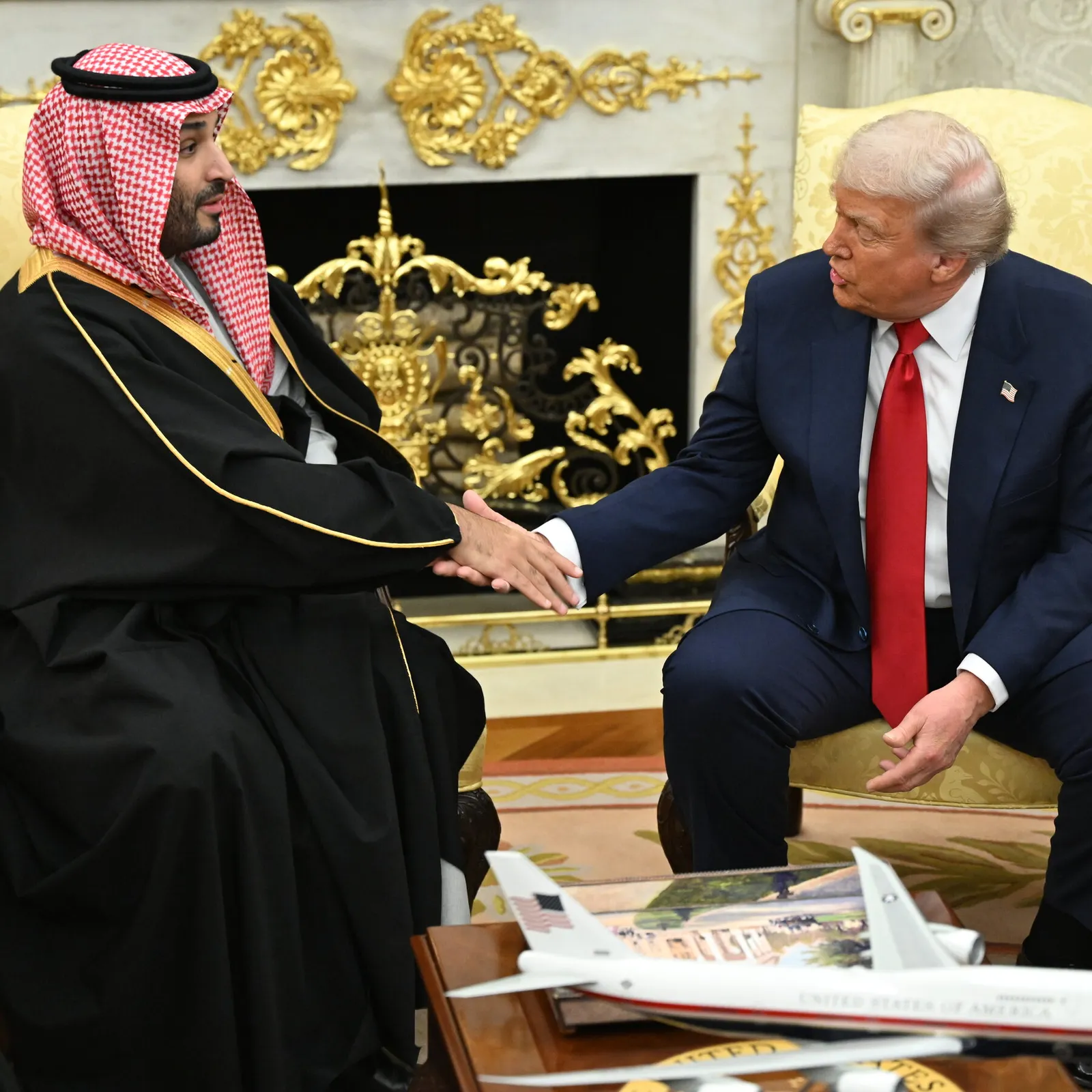
The Trump administration is said to be reaching a broad nuclear deal with Saudi Arabia. The reported direction has drawn opposition from U.S. lawmakers from both parties and Israeli officials, who fear the kingdom could use civilian nuclear projects to develop nuclear weapons.
The Trump administration is said to be reaching a broad nuclear deal with Saudi Arabia, and the pushback is coming fast from lawmakers in Washington and officials in Israel. The worry is not about the power reactors themselves. It is about the playbook that could follow: a civilian nuclear program can, over time, create the technical and operational building blocks that make a weapons program easier to launch later.
That is the core tension U.S. lawmakers from both parties and Israeli officials are signaling in the reporting: they oppose a plan like this because they fear Saudi Arabia could use a civilian nuclear project as a pathway to nuclear weapons. In other words, the debate is about what happens after the ribbon cutting. International nuclear cooperation deals are supposed to be constrained by safeguards and oversight, but critics are concerned those constraints may not fully prevent a future weapons trajectory.
To understand why this is so politically charged, you have to remember how nuclear deal architecture actually works. In general, countries that sign civilian nuclear cooperation agreements are not just buying turbines. They are typically buying access to know-how, training, and infrastructure, and they are threading themselves into the global nuclear supply chain. That can be legitimate and beneficial for electricity, medicine, and research. It can also create capabilities that are strategically sensitive. The same skill set that helps run nuclear systems in a civilian setting can be repurposed if a government decides to change its intent.
In Washington, the reported opposition from both parties matters because it suggests this is not an easy left-right wedge issue. When you get lawmakers across partisan lines, it usually means the risk is being framed as national security and regional stability rather than as a budget fight or an ideology contest. For decision-makers, that changes the compliance math. A deal that looks manageable on paper can become harder to execute if it triggers hearings, demands for stricter conditions, or pressure to narrow the scope to reduce perceived proliferation risk.
Israel’s concern adds another layer because it is not only thinking about U.S.-Saudi nuclear cooperation. Israel has a direct incentive to focus on how any new nuclear capability could alter the regional balance. Even if a deal begins with civilian purposes, Israeli officials can reasonably worry about timelines and enforcement. Safeguards tend to focus on declared material and facilities, but skepticism often centers on whether a country might be able to expand quietly, adjust its pace, or exploit gray zones before oversight catches up.
There is also a second-order governance problem that executives and boards should understand even though this is a political story. Nuclear-related projects are typically long-cycle and contract-heavy, with procurement, technology licensing, and permitting milestones. If political opposition intensifies after the deal is announced, the downstream effects can include delays, renegotiations, or added regulatory requirements. That can raise costs, complicate financing, and slow schedules. Even in cases where a deal remains technically on track, the risk premium for counterparties and service providers can move quickly when lawmakers start debating the deal’s legitimacy.
For U.S. policymakers, the strategic stakes are about credibility. A broad nuclear deal with Saudi Arabia signals that the U.S. is willing to trade access and cooperation for closer ties. Critics are effectively challenging whether that trade is safe enough, given the risk that civilian infrastructure could later support weapons development. For Israel, the stakes are about deterrence and uncertainty. For Saudi Arabia, the stakes are about energy, international legitimacy, and access to capabilities that can modernize the economy. For everyone else watching, the signal is clear: the future of nuclear cooperation is not just engineering. It is enforcement, politics, and trust under stress.
This story's Key Insights and Take-aways are locked.
Create a free account to unlock Executive Actions for one credit.
Register to UnlockAlways free for Executives Club members. Join the Club
More in Politics

LA County: DOJ's 20,000 'noncitizen' voter list is 'unreliable,' includes U.S.-born
Preliminary review by Los Angeles County election officials finds errors in the federal list, raising the stakes for voter roll integrity ahead of November.

Trump's $1.5B Pentagon chip investment lands in North Carolina
A $1.5 billion defense infusion for North Carolina chipmaking signals a new era of Pentagon-backed reshoring - here's what it means for the industry.

Nigeria confirms first Ebola case in Abuja, a woman just off a Uganda flight
Health Minister Muhammad Ali Pate says the patient flew in from Uganda, putting Africa's latest outbreak on Nigeria's doorstep.