
Trump tells Axios he is nearing a call on a “massive attack” on Iran
A near-decision on “massive attack” is colliding with shifting U.S. targets and heavier firepower, raising market and risk questions.

President Trump told Axios he is nearing a decision on whether to launch a “massive attack” on Iran. For decision-makers, the consequence is a tighter window to model operational risk and second-order impacts as the U.S. expands targets and deploys heavier firepower.
President Trump is nearing a decision on whether to launch a “massive attack” on Iran, and he said it to Axios. The story matters because it frames the next phase of U.S. posture as a choice that could move quickly, not a slow-burn debate. According to The Hill’s account, the deliberation is happening as the U.S. expands its targets and deploys heavier firepower, meaning the gap between policy talk and operational reality is getting smaller.
That near-decision is the headline stake, but the deeper one is timing. If a “massive attack” is on the table, the operational planning, political signaling, and intelligence work behind it are already in motion. In practical terms, that compresses how quickly markets, industries, and risk managers have to adapt. Executives who normally think in quarters may suddenly be forced to think in days, because national security decisions often trigger immediate knock-on effects: volatility, insurance repricing, supply chain contingency planning, and board-level questions about exposure to geopolitical tail risks. The Hill’s framing also implies an escalation ladder: the U.S. is not only expanding targets, it is doing so while also “deploying heavier firepower.” That combination is exactly what makes a near-decision feel like a live wire.
Zooming out, the U.S. approach described here fits a recurring national security pattern: when decision-makers move from statements to actions, they tend to do it by tightening the set of options available and raising the credibility of response. Expanding targets signals that the planning no longer limits itself to narrow objectives. Deploying heavier firepower signals that if the decision goes toward large-scale action, the operational toolbox is already stocked. In corporate risk terms, this is the difference between “something may happen” and “if it happens, it could happen at scale.” Even without any additional details beyond The Hill’s summary, the direction of travel is clear: the environment is becoming more capable and more specific.
For boards and C-suites, that matters because geopolitical risk is not just about headlines. It is about the incentives and constraints that shape how quickly events move. The nearer the decision, the more difficult it becomes to rely on time to resolve uncertainty. In that scenario, organizations often shift from forecasting to contingency. They review exposure maps, scenario plans, vendor dependencies, and compliance obligations that might change if events cross certain thresholds. Even when a company is not directly tied to defense or energy, it can face indirect pressure through logistics lanes, insurance and reinsurance pricing, sanctions administration risk, and the general repricing of risk across the capital markets.
There is also a governance angle. When a political leader signals an imminent decision, institutional stakeholders downstream do not get the luxury of calm. Senior leaders must assume multiple pathways, including pathways that are “worse before better.” That puts pressure on internal alignment: legal and compliance, treasury, procurement, and operations have to be on the same page about what changes under an escalatory scenario. It also affects how executive teams communicate, because investors increasingly treat geopolitical moves as material risk drivers. The Hill’s description that Trump is “nearing a decision” suggests a window for executive teams to update assumptions now, rather than waiting for confirmation later.
Finally, the strategic stakes extend beyond the U.S. Iran posture itself. If the U.S. ramps up threats of major operations and is prepared to deploy heavier firepower while expanding targets, peers across governments, defense contractors, and firms exposed to regional instability take that as a signal about where escalation incentives sit. For companies in related supply chains, the second-order effect can be planning volatility: contracts and delivery schedules can become harder to guarantee when governments and militaries move from preparation to execution. For capital allocators, the second-order effect is risk premium: a higher probability of sudden shock tends to lift discount rates and widen uncertainty distributions, even if the base case remains unchanged.
The bottom line is straightforward. Trump told Axios he is nearing a decision on whether to launch a “massive attack” on Iran, and The Hill reports that this is occurring as the U.S. expands its targets and deploys heavier firepower. That combination suggests not just rhetoric, but operational readiness. For decision-makers, the task is to treat the coming period as a tight timeline for risk modeling, compliance readiness, and scenario planning, because in situations like this, the cost of being late is usually far higher than the cost of updating early.
This story's Key Insights and Take-aways are locked.
Create a free account to unlock Executive Actions for one credit.
Register to UnlockAlways free for Executives Club members. Join the Club
More in Politics
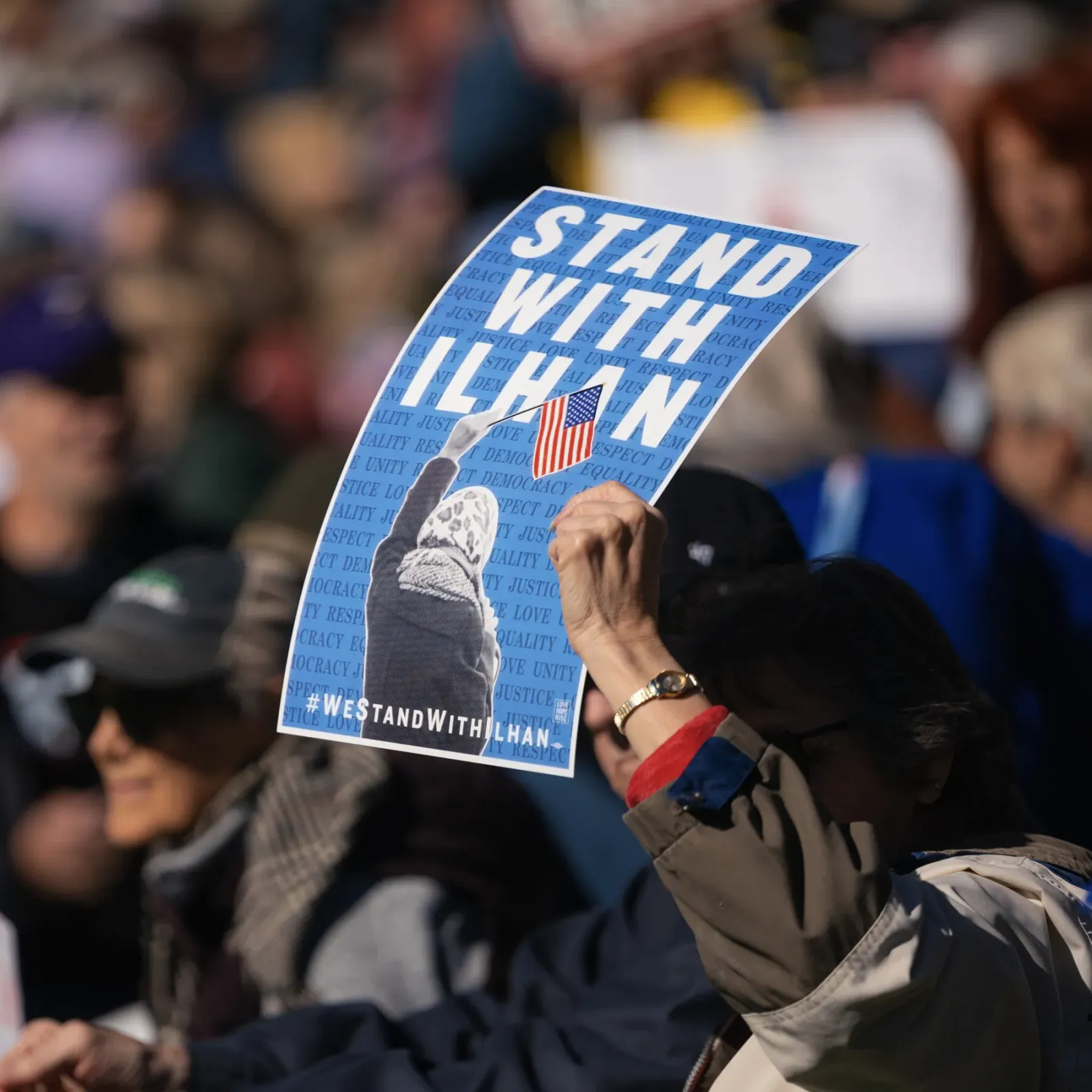
Obama Defends Ilhan Omar After Agents Search Her Home in Trump Inquiry
The former president's intervention raises the stakes in a federal probe into immigration paperwork that has put a prominent progressive lawmaker in the crosshairs.

Blair-era minister: cut welfare to fund youth job support
Alan Milburn's call for welfare cuts to fund employment support opens a Labour fight over benefits and the Neet crisis.
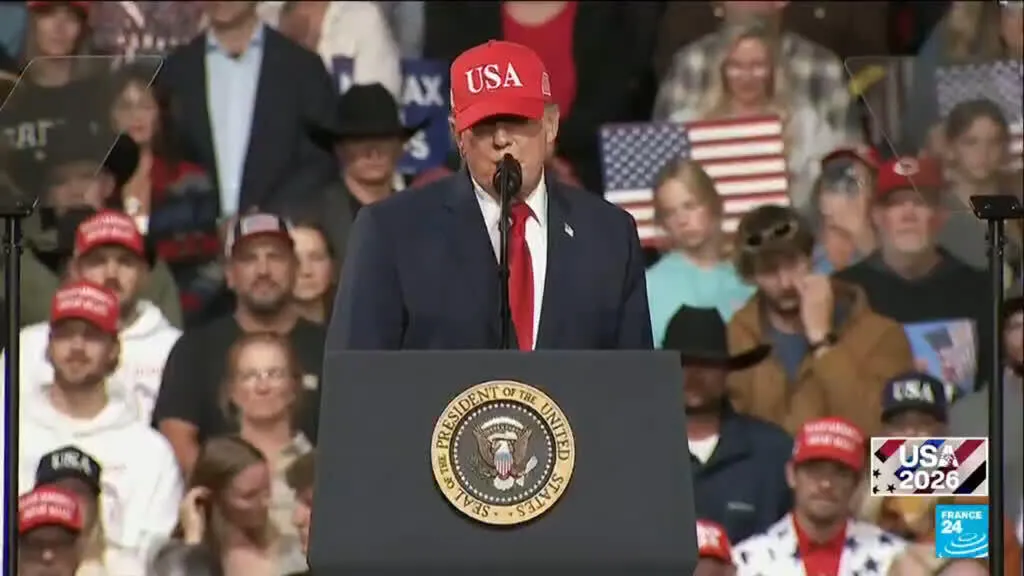
Hot September CPI: energy costs surge, voters feel the squeeze before midterms
The latest inflation print lands as Trump campaigns for GOP control of Congress, putting cost-of-living worries at the center of the midterm fight.