
Trump tells NYT journalist Maggie Haberman she’ll “pay the price” in court
A Truth Social takedown turns Trump’s multibillion-dollar Times lawsuit into a personal showdown over health reporting.
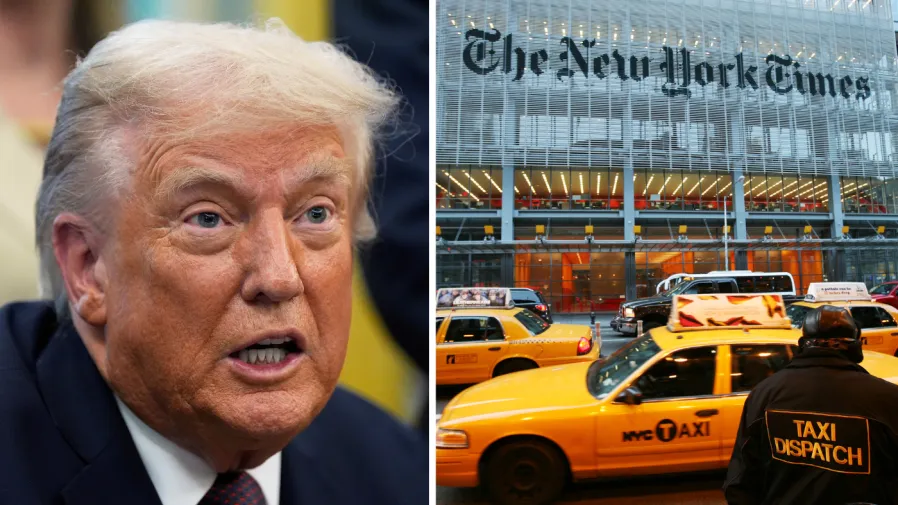
President Trump slammed New York Times journalist Maggie Haberman after she questioned his physical and cognitive fitness during an MS Now appearance. In a lengthy Truth Social post, Trump warned Haberman will “pay the price” when his multibillion-dollar lawsuit against the Times reaches court.
President Trump is taking his multibillion-dollar legal fight with the New York Times and dragging it into the personal realm. In a lengthy Truth Social post Saturday, Trump ripped into New York Times journalist Maggie Haberman after she questioned his physical and cognitive fitness during an appearance on MS Now, and he warned Haberman that she will “pay the price” when his lawsuit reaches court.
That is the core of the story, and the stakes are not subtle. Trump is signaling that the way news organizations cover his health, especially any questions about his physical and cognitive fitness, is not just a journalistic controversy. It is also potential litigation risk, and he appears prepared to treat individual reporting as part of a broader legal strategy aimed at the Times.
To understand why this matters beyond the clash of egos, look at how lawsuits involving major media outlets tend to function. Large news organizations publish at massive scale, with competing pressures: speed, audience attention, and the legal need to defend stories that can be challenged. When a plaintiff frames reporting as actionable in court, the target is rarely only the publication's reputation. The target is also the editorial process itself, including how claims are sourced, how health related questions are handled, and how far editors are willing to go.
Trump’s move is also a reminder of how political figures use public platforms as part of legal messaging. Truth Social is not just a megaphone for policy arguments. It can also serve as a narrative control tool in the run up to court dates. By calling out a specific journalist and tying the criticism to the timing of “when” the lawsuit reaches court, Trump is doing two things at once: he is warning Haberman personally, and he is reinforcing a wider theme that the dispute is about consequences, not just disagreement.
For executives on both sides of the media and political divide, the second order effects are the real story. First, individual journalists can become the focal point for wider institutional friction. Even when lawsuits name a company rather than a person, the public framing can turn a reporting debate into a personal escalation. That can affect workplace culture, newsroom risk tolerance, and how editors evaluate contentious claims. If a journalist expects that a story may trigger not only legal scrutiny but also direct public attacks, it changes the incentives inside a newsroom.
Second, health and fitness reporting sits in a uniquely sensitive category. It can involve questions that audiences interpret as public safety and competence, but it also creates legal exposure when claims are challenged. In this case, Haberman questioned Trump’s physical and cognitive fitness on MS Now. Trump’s response suggests he views those questions as more than commentary. He is treating them as part of the chain of events that, in his view, justifies a lawsuit against the Times.
Third, the broader market context matters for how companies respond. When a flagship outlet gets pulled into high profile litigation, it can trigger internal reviews and external strategy. Investors and boards may ask whether legal costs rise, whether advertising and subscription dynamics change, and whether leadership needs to adjust risk frameworks for future reporting. Even without inventing any new facts about the lawsuit’s claims or status, the headline tells you the posture: Trump is explicitly tying the Haberman episode to his multibillion-dollar case.
Boards and senior leadership teams also have to think about how these conflicts influence regulators and standards bodies indirectly. While there is no regulator named in the source, the reality is that high profile disputes often spill into policy conversations and industry discussions about what constitutes responsible reporting. That can eventually affect internal compliance processes, legal review workflows, and how editorial teams document sourcing and editorial decision making.
Finally, for peers in similar roles, this is a playbook signal. A prominent political figure is demonstrating how public pressure, brand warfare, and litigation can be blended into one continuous campaign. Whether you are running a media company, a platform, or a brand dependent on public trust, the lesson is that narrative risk is not separable from legal risk when the public fight is personalized. Trump’s “pay the price” warning frames Haberman’s health related questions as something that could carry consequences in court. That is the kind of precedent style messaging that can reshape how other journalists, executives, and boards think about contentious coverage ahead of litigation.
This story's Key Insights and Take-aways are locked.
Create a free account to unlock Executive Actions for one credit.
Register to UnlockAlways free for Executives Club members. Join the Club
More in Politics

Glacial collapse, not rain, killed 180 in Nepal's Himalayan flood
The Himalaya's extreme geography hid the true cause of Nepal's catastrophic flood, a glacial collapse that turned a geological battleground into a mass-casualty zone.

Iran’s Esmail Baghaei says Oman talks start shipping via Hormuz, not US talks yet
Temporary route plans with Oman aim to restart commerce while Tehran says Washington dialogue is not on the table.

Standards watchdog opens probe into Reform UK deputy leader Richard Tice over interests
The parliamentary standards commissioner says it began an investigation on 28 July into a possible undeclared interest.