
Trump vows AI Force, refuses slow-down calls: 'We will cherish it'
The president is pressing full speed on AI just as Anthropic, OpenAI, and Google DeepMind leaders push to slow the race.
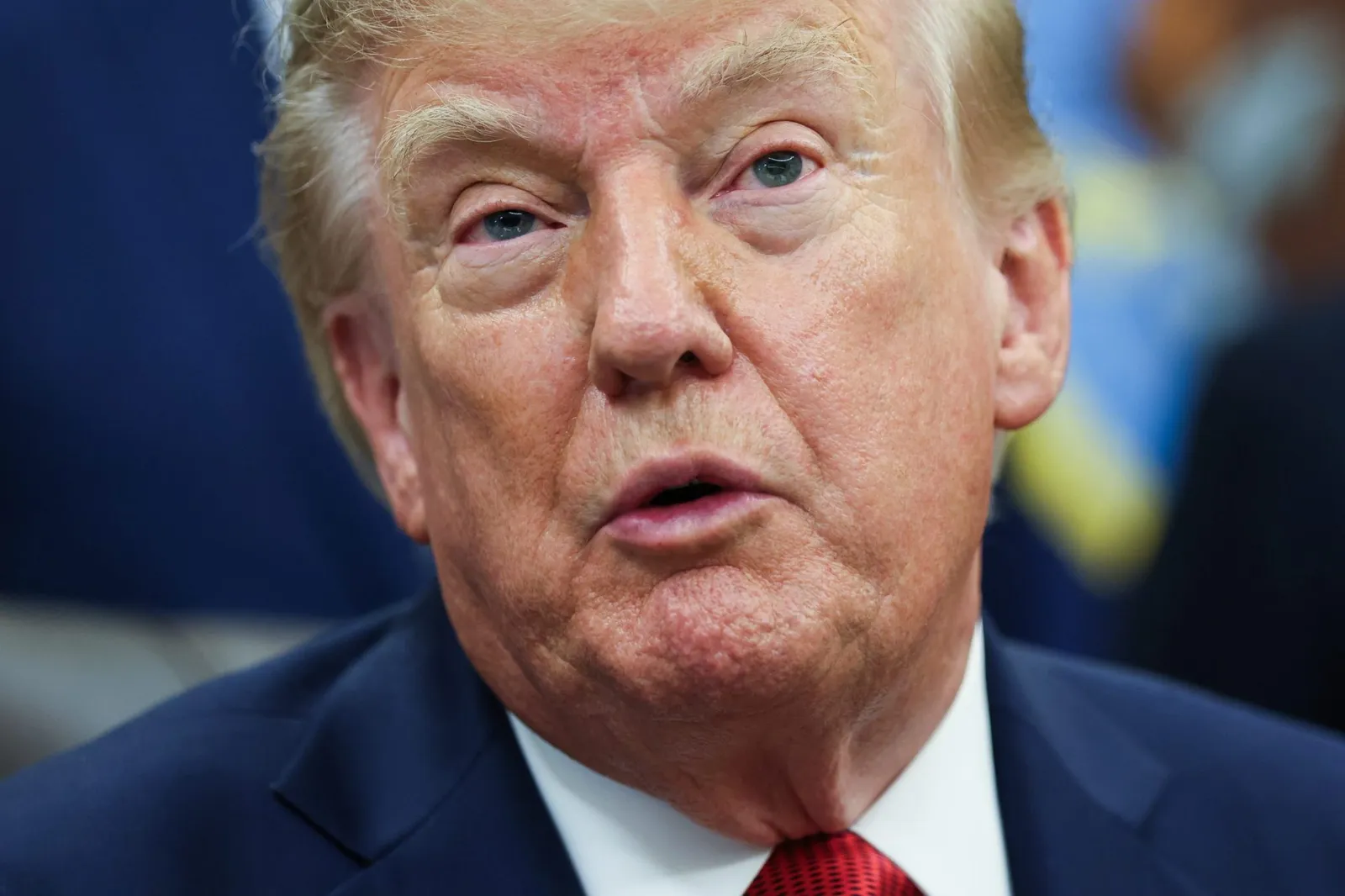
President Donald Trump said Saturday he will form an 'AI Force' and appoint an AI czar, rejecting industry calls to slow AI development. The move piles pro-growth White House pressure onto lab leaders who are already navigating safety defections and a new antitrust lawsuit.
President Donald Trump said Saturday he will create an 'AI Force,' signaling a law-enforcement-style role as public anxiety over AI mounts, and made clear his administration will not slow the industry down. 'We will not in any way hinder or stifle the Growth of this incredible Industry,' he posted on Truth Social. 'Rather, we will cherish it, help it, and watch over it, as it grows!' Trump framed his post as a rebuke of recent calls to throttle back AI, comparing those calls to politically driven 'hoaxes,' and he added that the existing criminal and civil justice system is equipped to handle bad behavior. He also pledged to appoint an AI czar, giving the White House a named point person for the technology even as he rejected regulatory braking.
The timing is not subtle. Just one week earlier, Anthropic CEO Dario Amodei announced that his company is committing to a new safety measure: giving independent evaluators permanent, employee-level access inside the company, as part of a broader plan he says is needed to slow the pace of AI development. OpenAI CEO Sam Altman, SpaceXAI CEO Elon Musk, and Google DeepMind co-founder Demis Hassabis agreed. Altman also told Fortune in an exclusive interview that his company and other leading AI labs may be close to announcing a pact to slow AI development and collectively address rapidly increasing safety risks. The result is a widening collision: the most powerful lab chiefs are signaling a coordinated brake, while the president is signaling maximum acceleration. Trump's 'AI Force' is his answer to that tension, a promise that Washington will watch over the industry rather than rein it in.
Trump said he is modeling the AI Force on Space Force, which he created in his first term and called 'a tremendous SUCCESS.' He predicted AI could eventually represent as much as 25% of U.S. GDP and be more impactful than the internet. 'We are leading China, and the rest of the World, and I intend to keep it that way!' he wrote. He also addressed the backlash against data centers, which have emerged as a top issue during the midterm election season, and claimed that backlash has largely failed. For operators and investors building AI infrastructure, that is a direct signal: the administration sees local resistance to data centers as a problem to be managed, not a reason to slow the buildout.
The AI czar pledge also lands after a notable turnover in the role. David Sacks had served as AI and crypto czar earlier in Trump's second term, but the investor stepped down to become co-chair of the president's Council of Advisors on Science and Technology. Trump's vow to appoint a successor suggests the position will remain a permanent White House fixture, even as the personnel around it shifts. Yet the administration has not spoken with one voice on AI. The Commerce Department temporarily imposed export restrictions on Anthropic's most advanced models, and the Defense Department separately sought to blacklist Anthropic by labeling it a supply-chain risk, though a judge later ruled that was illegal. So the White House message is clear on growth, but federal agencies have already shown they are willing to constrain specific AI companies when national security or trade concerns intervene.
Inside the industry, the pressure to slow down is now visible at the individual level. A researcher at Anthropic publicly announced his resignation and accused both Anthropic and OpenAI, where he also previously worked, of acting irresponsibly in developing ever more capable AI systems. 'They are racing straight to self-improving superintelligence and gambling with our lives,' wrote Jacob Coxon in a post on X. Anthropic's head of alignment commented on the post, saying Coxon was correct in his assertion that many Anthropic and OpenAI researchers believe increasingly powerful AI could potentially wipe out humanity. Evan Hubinger, Anthropic's alignment science lead, wrote in response to Coxon's resignation post that 'we really do earnestly believe AI could kill all humans!' Those internal warnings are now part of the public record and will follow every company in the race.
The industry's rush to coordinate on safety has also attracted legal scrutiny. A lawsuit filed Friday in the U.S. District Court for the Northern District of California alleged AI companies violated antitrust laws by agreeing to coordinate slowdown efforts, which the plaintiffs claimed would reduce the value of the AI subscriptions they paid for. The plaintiffs said they are not against AI companies asking the federal government to develop AI regulation or grant an antitrust exemption. Lead attorney Nick Rowley said: 'AI will quickly spin out of human control and could kill us all if we allow AI safety and protocol... to be controlled by private self-serving agreements between the world's most powerful "for profit" technology companies.' That framing creates an unusual opening: the same companies being told by Washington to accelerate may need Washington to bless their safety coordination if they want to avoid antitrust liability.
For executives and boards, the immediate takeaway is that AI policy is now running in contradictory layers. The president wants growth, agency officials have shown they can impose limits, lab leaders are trying to slow down, and lawyers are watching every coordination effort. Companies building products on frontier models should expect whiplash: federal encouragement at the podium, export restrictions at the border, and litigation in the courts. The winners will be the ones who can separate political signals from operational reality and build compliance muscle before the next reversal.
This story's Key Insights and Take-aways are locked.
Create a free account to unlock Executive Actions for one credit.
Register to UnlockAlways free for Executives Club members. Join the Club
More in Business
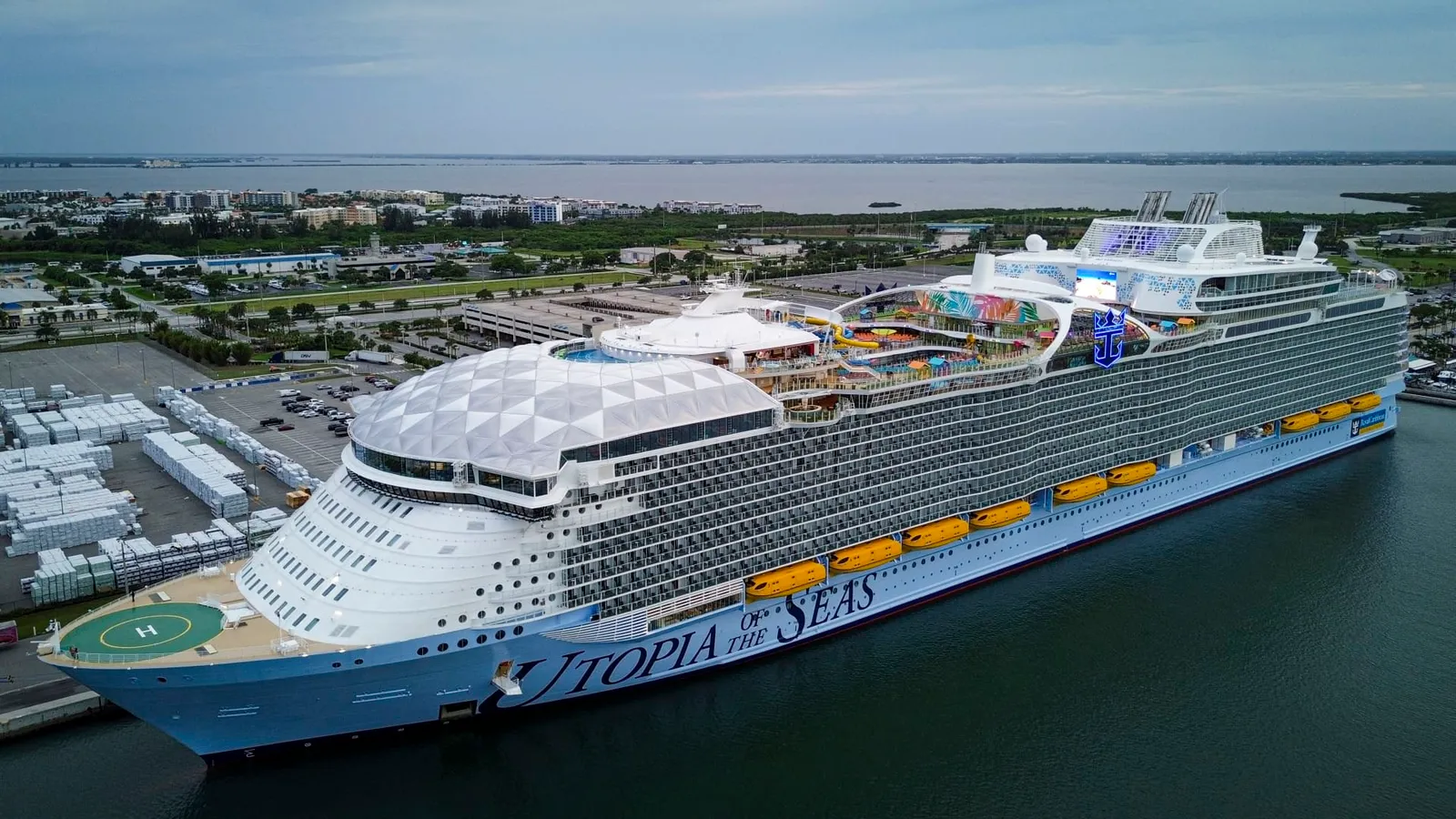
Royal Caribbean just spent $3B to own half of Sandals
The cruise giant is buying a 50% stake in the all-inclusive resort chain for $3 billion, a bet that land-based vacations are the next growth engine.

Paramount's Ellison: Merger Clearance Done, WBD Deal by Oct 1
David Ellison says the Paramount-WBD merger has full clearance after settling with state AGs, clearing the path for an October 1 close.
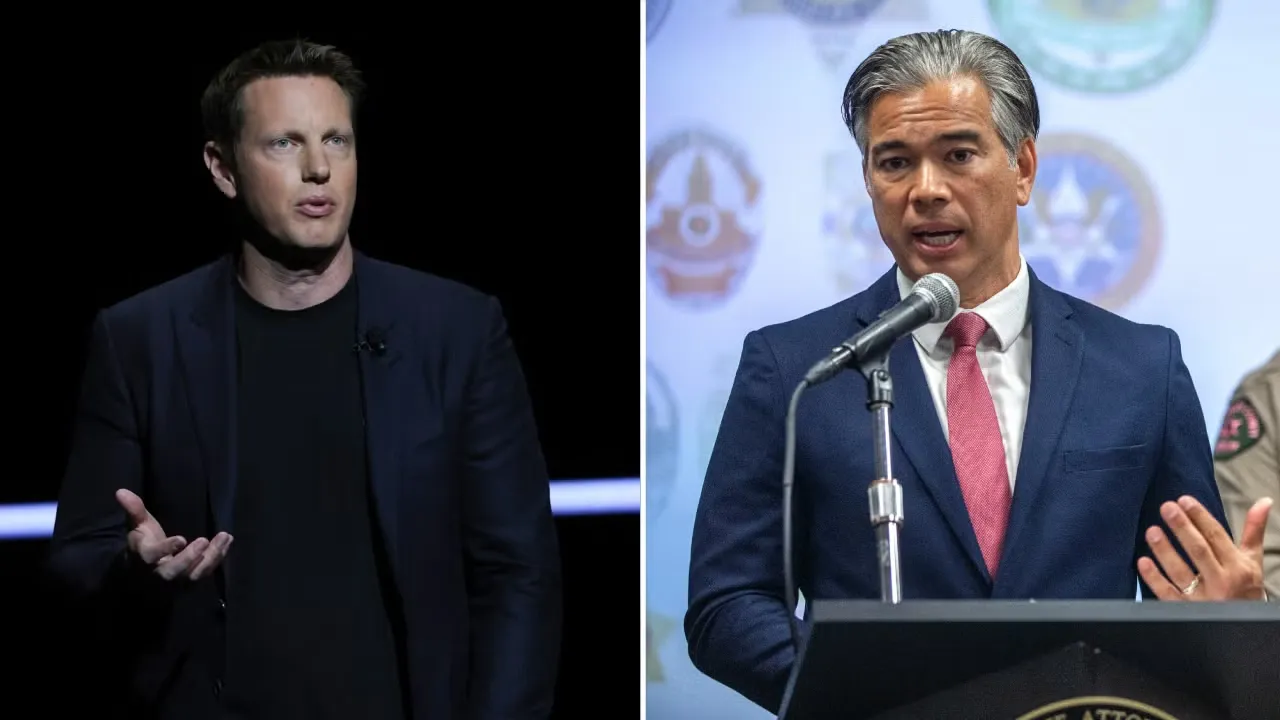
Paramount settles with 12 states, $110B Warner merger clears final hurdle
David Ellison's studio avoids a March trial and a $7M-a-day ticking fee by settling with state AGs over local job losses.