

TSMC adds $100B to U.S. plan, bringing Arizona commitment to $265B
The chip giant’s expanded pledge reshapes who funds the next wave of U.S. semiconductor capacity.
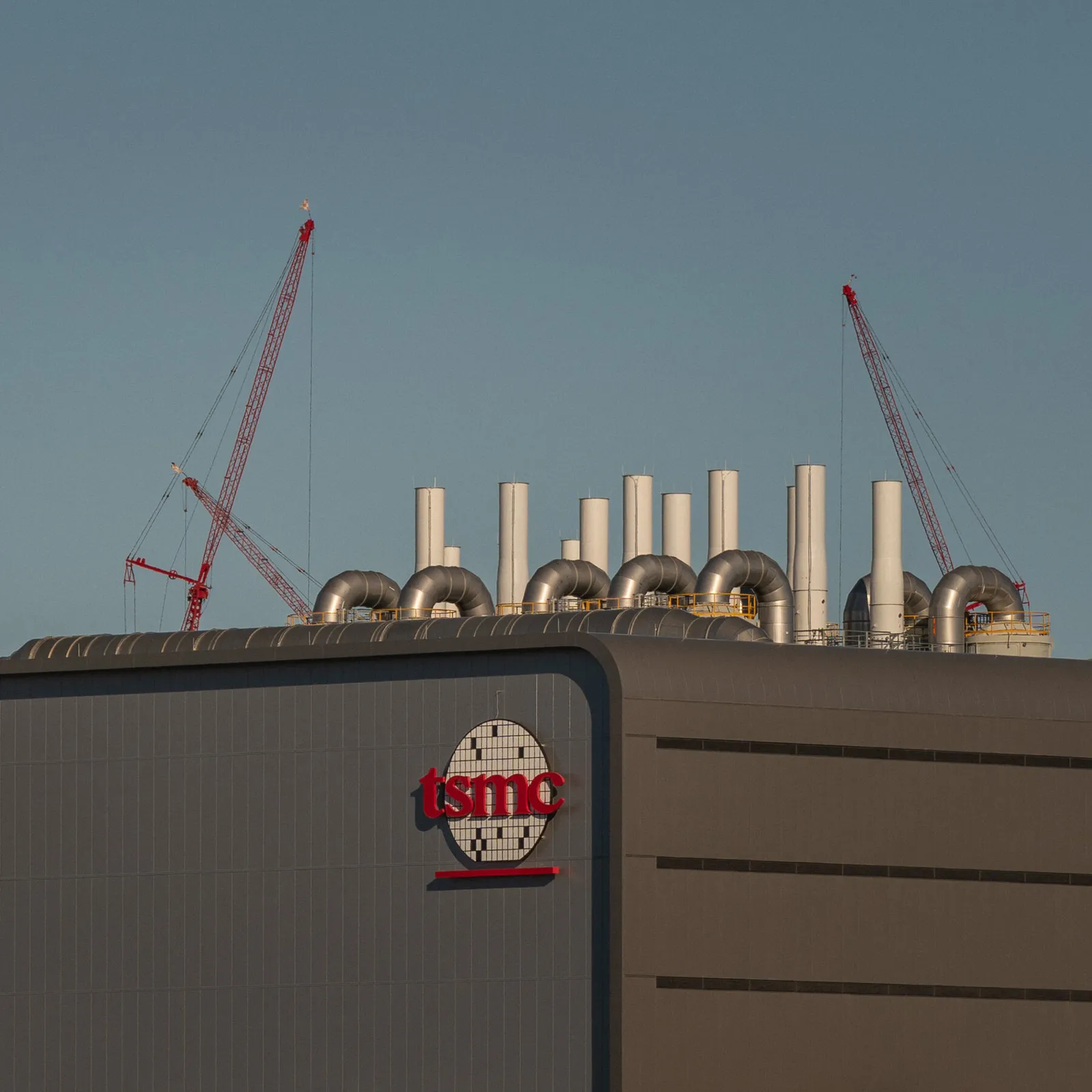
TSMC, the Taiwanese chip manufacturer, added $100 billion to its U.S. spending plan, expanding its fast-growing Arizona operations. The updated pledge lifts the total commitment tied to Arizona to $265 billion, signaling sustained industrial-scale investment.
TSMC just increased the stakes in U.S. chips by adding $100 billion to its U.S. spending plan, taking its Arizona commitment to $265 billion. That jump matters because it is not a vague “strategic interest” announcement. It is an explicit expansion of real-world capacity in one of the most policy-favored regions for semiconductors.
The immediate consequence for decision-makers is straightforward: this is more capital flowing into an Arizona buildout designed to support fast-growing operations, with the total number now sitting at $265 billion. For executives tracking supplier risk, procurement timing, and customer lead times, that single line changes the horizon. A bigger plan can mean more room for capacity ramp. It can also mean longer-term reliance on the U.S. buildout as an anchor for supply.
Zoom out for a minute and the broader context snaps into place. The semiconductor industry is capital intensive by design. Building fabrication capacity is not like adding more servers in a week. Plants take years to plan, permit, construct, and qualify. That is why large commitments carry strategic weight: they shape not only near-term production, but also who can credibly promise continuity, scale, and delivery timelines. In a market where demand cycles and technology transitions can swing quickly, the companies with the longest investment horizons often end up with the strongest ability to weather turbulence.
The second layer is regulatory and industrial policy. The U.S. has been pushing harder to bring leading-edge and scaled chip manufacturing closer to domestic demand, using a mix of incentives and oversight. In that environment, a pledge like TSMC’s is both economic and political. It signals that the company intends to keep participating in the U.S. semiconductor buildout at a meaningful scale, and it reinforces the logic behind the policy push: large foundries can attract an ecosystem, including equipment, materials, engineering talent, and downstream manufacturing capacity.
Then there is the market dynamic that boards and investors cannot ignore: capital allocation competition. When a major player expands its plan, it changes the relative attractiveness of adjacent bets. Suppliers to fabs, logistics providers, real estate and infrastructure stakeholders, and even workforce training initiatives all respond to where the money is going. A $100 billion addition is not just a company headline. It is a signal to an entire supply chain that planning assumptions may need to be updated.
There is also a subtle board-level implication. Large industrial commitments can create internal scrutiny, because they lock in resources and can expose a company to execution risks, demand swings, and cost pressures. But the counterpoint is equally powerful. The semiconductor game rewards scale and process leadership, and large commitments can be the mechanism by which a company defends its position as customers diversify manufacturing strategies.
For peers, the strategic stakes land on procurement, partnership, and competitive positioning. Customers want predictable access to leading-edge and high-volume capacity. Suppliers want to ensure the ecosystem keeps expanding so their own investments do not strand them. Competitors, meanwhile, must contend with the reality that more capacity in the U.S. can shift regional supply balances and alter the timing of availability for a range of chip categories.
In short, TSMC’s updated U.S. spending plan, with its Arizona commitment now totaling $265 billion, is the kind of move that tightens the feedback loop between policy, manufacturing capacity, and global supply chains. If you are an executive in any role tied to chips, this is not background noise. It is a directional indicator for where the next buildout pressure will come from, how long it will take to matter, and which planning numbers you should revisit before they become tomorrow’s regret.
This story's Key Insights and Take-aways are locked.
Create a free account to unlock Executive Actions for one credit.
Register to UnlockAlways free for Executives Club members. Join the Club
More in Technology

Google quietly links your phone number to every Android account on your SIM
Adding a SIM now ties your phone number to all Google accounts - and future accounts inherit it. Here's the security and privacy stakes.

Hijacker AI 'Skynet mode' runs 100,000 attack steps against exposed models
Symantec caught a criminal AI agent that borrows other models, steals data, and mines crypto; the only relief is no confirmed victims yet.

Nvidia's AI-financier shift faces its first big test as neoclouds stumble
A rout in neocloud stocks is forcing investors to weigh Nvidia's hidden exposure as both supplier and lender to the AI buildout.