
U.S. and Iran strikes escalate, peace talks wobble toward all-out war
As both sides intensify attacks, decision-makers face rising operational, financial, and diplomatic uncertainty.
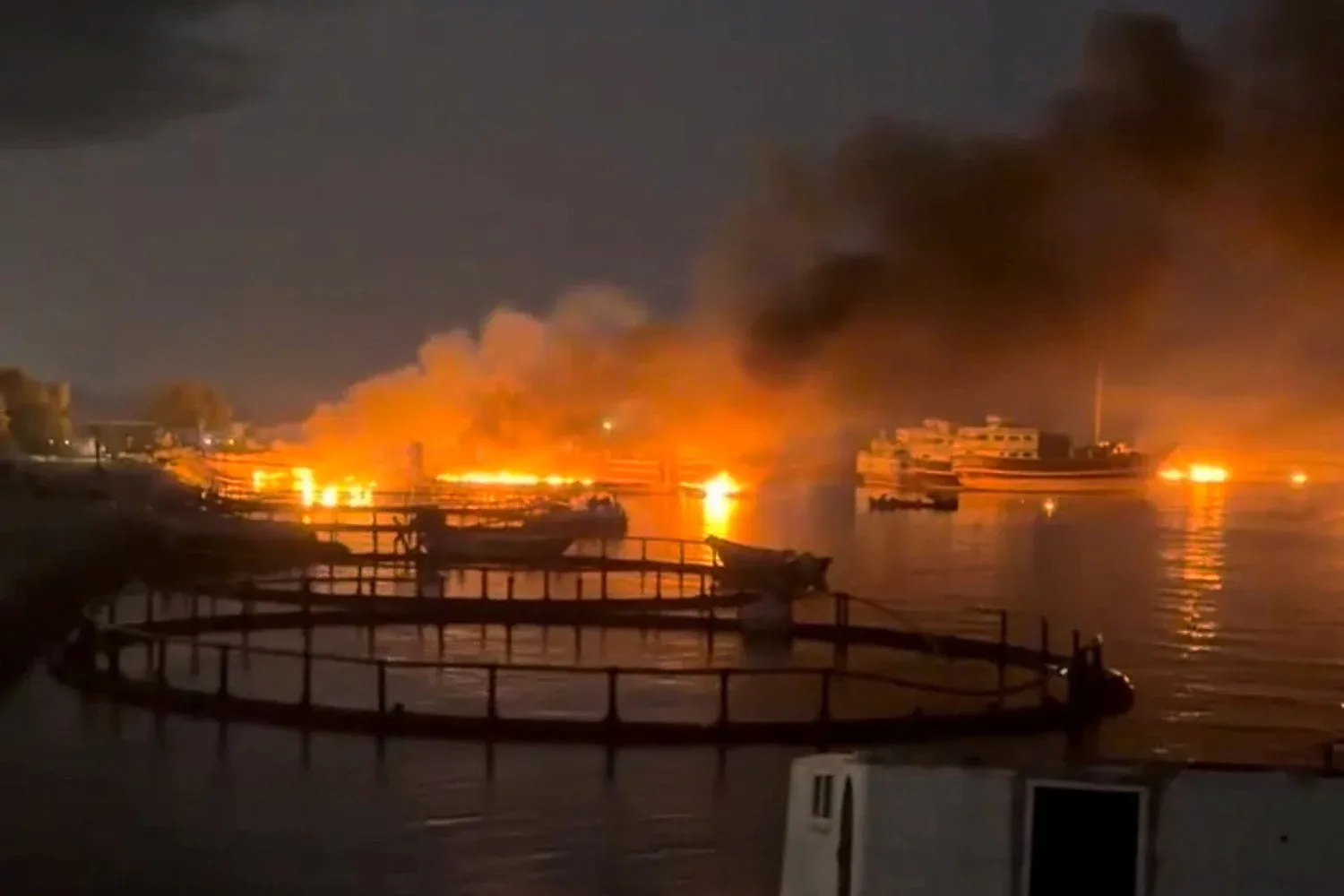
The U.S. and Iran are returning to the brink as both sides intensify strikes. For decision-makers, that increases the odds of further escalation and makes peace-talk timelines look less reliable.
Both the U.S. and Iran are moving back toward the brink of all-out war as strikes intensify on both sides. The immediate story is violent and fast. But the part that matters for executives and investors is the second story: when escalation starts to feel routine, the window for negotiated off-ramps gets smaller, and planning becomes guesswork.
That is why the future of peace talks looks uncertain. When both sides are tightening the pressure at the same time, diplomacy stops being a single track you can count on and becomes a moving target. In practical terms, that uncertainty bleeds into everything that depends on stability: shipping routes, energy pricing expectations, sanctions implementation risk, and the reputational calculus of companies that operate in or near politically exposed regions.
To be clear, this briefing is not about forecasting outcomes. It is about recognizing how escalation dynamics tend to reshape behavior. Once strikes intensify, each side faces domestic and strategic incentives to avoid appearing weak. Even if leaders want an eventual settlement, the near-term signals become constrained. That is what makes peace talks hard to schedule cleanly: negotiators need room to trade concessions, but escalation narrows that room.
From a board and risk committee standpoint, this is the kind of environment where “base case” assumptions quietly stop working. Most companies have contingency plans for discrete disruptions. Fewer have plans for a scenario where the disruption itself can morph daily. In this situation, the operational question is not just whether a disruption happens, but how quickly it could broaden from one domain to another. For example, disruptions can move from logistics to finance, from finance to compliance, and then to consumer demand. Each step creates new costs and new scrutiny.
Regulatory context matters here because U.S.-Iran tensions have a long history of sanctions and enforcement attention. In an escalation cycle, regulators can become more active, guidance can tighten, and compliance teams can be asked to operate under less clarity than they prefer. Even when no new rules are announced, the practical compliance burden often rises because companies try to avoid being caught on the wrong side of enforcement discretion. That is not a theoretical concern. It is how risk management tends to behave when geopolitics turns from background noise into headline risk.
There is also a capital markets angle. Investors do not just price the current level of conflict. They price the probability distribution around escalation and the expected duration of heightened risk. If peace talks look uncertain, that distribution spreads. And when uncertainty spreads, cost of capital can rise, insurers and counterparties can demand more protections, and liquidity can thin in the areas that are most exposed to energy and trade. Executives can feel this indirectly through procurement terms, insurance pricing, and the pace of partner decisions.
For corporate leaders, the strategic stake is simple: escalation uncertainty can force tradeoffs between growth, cost, and compliance readiness. Leaders should assume that communications, supply chain decisions, and partner selection will be judged against a higher bar. And because peace talks look uncertain, the “wait and see” approach becomes more expensive each day. The question for boards and CEOs is whether their risk posture is built to handle an extended period of instability, not just a single event.
The U.S. and Iran returning to the brink is not only a diplomatic story. It is a test of how quickly companies and markets can adapt when peace-talk momentum evaporates. As both sides intensify strikes and the future of talks wobbles, decision-makers will be judged on what they prepared for before the next escalation signal lands.
This story's Key Insights and Take-aways are locked.
Create a free account to unlock Executive Actions for one credit.
Register to UnlockAlways free for Executives Club members. Join the Club
More in Politics
Glacial collapse, not rain, killed 180 in Nepal's Himalayan flood
The Himalaya's extreme geography hid the true cause of Nepal's catastrophic flood, a glacial collapse that turned a geological battleground into a mass-casualty zone.
Iran’s Esmail Baghaei says Oman talks start shipping via Hormuz, not US talks yet
Temporary route plans with Oman aim to restart commerce while Tehran says Washington dialogue is not on the table.

Standards watchdog opens probe into Reform UK deputy leader Richard Tice over interests
The parliamentary standards commissioner says it began an investigation on 28 July into a possible undeclared interest.