
UAE says Iran hit two tankers in Hormuz, killing 1 crew member
UAE reports cruise missile strikes on Mombasa and Al Bahiyah. Here is what it means for shipping risk and markets.
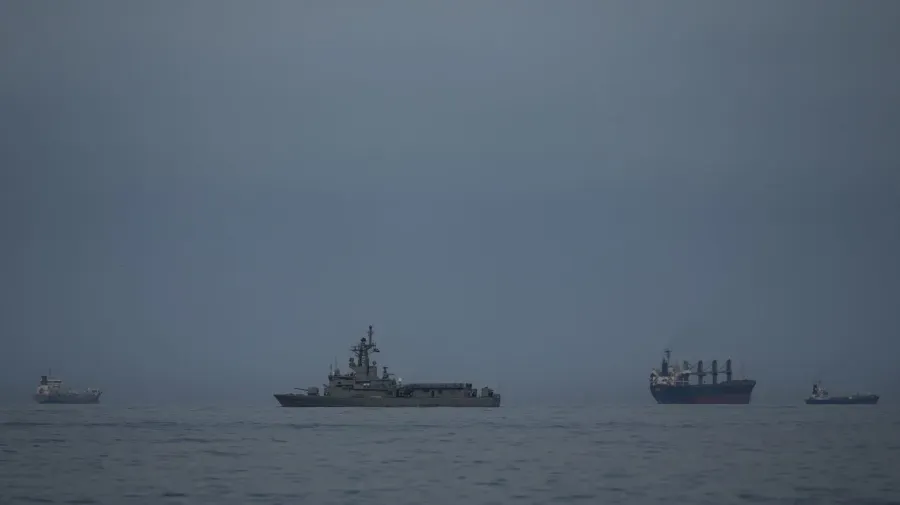
The United Arab Emirates Ministry of Defence said Iranian forces targeted a pair of its tankers in the Strait of Hormuz, killing one crew member. It said Iranian cruise missiles hit the UAE tankers Mombasa and Al Bahiyah as they transited the southern lane.
The United Arab Emirates Ministry of Defence says Iranian forces hit two UAE tankers in the Strait of Hormuz, killing one crew member. In a post on social platform X, the UAE ministry said Iranian cruise missiles struck the country’s Mombasa and Al Bahiyah tankers while they were transiting the southern lane.
That single sentence matters because it points to a concrete escalation vector: commercial shipping in one of the world’s most watched chokepoints. When a country says cruise missiles hit tankers in the Strait of Hormuz, it is not just a human tragedy. It is a direct hit to the risk model that underpins maritime insurance pricing, rerouting decisions, and the day-to-day operating costs of energy and trade companies.
For executives and boards, the immediate concern is operational continuity. Tankers moving through the Strait of Hormuz are navigating a narrow geographic corridor where the margin for error is small, and where even short disruptions can ripple across supply chains. A strike, even one crew fatality as reported by the UAE, can trigger work stoppages, inspection delays, and more conservative route planning. Those choices tend to show up as higher costs and longer timelines long before they show up in financial statements.
Second-order effects typically land in procurement, risk, and capital allocation. Companies that charter vessels or buy delivered fuel rely on predictable transit times. If the market starts treating the southern lane as more dangerous, counterparties may demand renegotiated terms, including higher premiums, more restrictive clauses, or payments that compensate for delayed delivery. Insurance and legal teams move quickly in these scenarios because contracts often define what happens under “war risk” or hostile action. Even without new policy changes, the perception shift can tighten liquidity around shipping exposures.
There is also the regulatory and governance layer. The UAE Ministry of Defence reported the strikes on X, framing the incident as an Iranian action. In geopolitical incidents like this, governments and industry regulators often face pressure to clarify guidance and enforcement expectations. That can include questions about sanctions compliance, shipping documentation, and maritime safety protocols. The key point for decision-makers is that messaging from ministries is not just communication. It becomes part of the evidentiary trail companies use when updating risk registers, claims processes, and disclosures.
Then comes the market dynamic. Energy markets and shipping markets do not wait for long official investigations to price risk. Once a credible actor reports missile strikes on specific tankers, traders and insurers often react immediately to the possibility of broader disruption. That can raise the cost of hedging, increase volatility for freight and insurance, and shift demand for alternative logistics routes. Even if the operational impact is limited to the specific vessels named, investors often treat it as a sign of where risk is headed.
The incident also raises questions about regional escalation management, which matters for anyone with exposure to Middle East supply chains. The Strait of Hormuz is a chokepoint that influences global crude flows and the ability of energy traders to balance supply and demand. If strikes are perceived as more frequent or more direct, companies may accelerate diversification strategies, stockpiling, and supplier reconfiguration. Those actions have real balance sheet implications, because they can require cash outlays and inventory build costs.
Finally, this is a governance moment for boards: how prepared are you for the intersection of geopolitics and physical operations? The UAE says Iranian cruise missiles hit its Mombasa and Al Bahiyah tankers as they transited the southern lane, killing one crew member. For peers in shipping, energy trading, logistics, and insurance, the takeaway is not just “something bad happened.” It is that chokepoint risk is now tied to specific, reported attacks on vessels, and that can force faster, more expensive decisions across routing, contracting, and capital planning.
This story's Key Insights and Take-aways are locked.
Create a free account to unlock Executive Actions for one credit.
Register to UnlockAlways free for Executives Club members. Join the Club
More in Politics

LA County: DOJ's 20,000 'noncitizen' voter list is 'unreliable,' includes U.S.-born
Preliminary review by Los Angeles County election officials finds errors in the federal list, raising the stakes for voter roll integrity ahead of November.

Trump's $1.5B Pentagon chip investment lands in North Carolina
A $1.5 billion defense infusion for North Carolina chipmaking signals a new era of Pentagon-backed reshoring - here's what it means for the industry.

Nigeria confirms first Ebola case in Abuja, a woman just off a Uganda flight
Health Minister Muhammad Ali Pate says the patient flew in from Uganda, putting Africa's latest outbreak on Nigeria's doorstep.