
Uber lifts Delivery Hero buyout to €41.50, 26% over its May bid
The revised cash price ends an eight-week gap, while 14 markets are carved out to a New York firm.

Uber has agreed to buy Delivery Hero for €41.50 per share in cash, eight weeks after its initial May bid. The deal improves Uber's offer by 26% and reshapes competitive exposure via carve-outs in 14 markets to a New York firm.
Uber is paying €41.50 a share in cash to acquire Delivery Hero, eight weeks after it put forward a lower bid of €33 in May. The jump is a clean 26% improvement, and it matters because the initial offer “landed below the close,” meaning it did not even clear the starting line for shareholders at the time.
The headline number is the whole story, but the fine print is where decision-makers should look. Alongside the €41.50 price, the structure includes carve-outs of 14 markets to a New York firm “before anyone asks about competition.” Translation: the deal is not just about money. It is also about how Uber and Delivery Hero expect regulators to frame market power and deal impact, and how they plan to reduce friction by separating certain geographic exposures.
In deals like this, the calendar and the board incentives move fast. Uber starts with €33 in May, and eight weeks later it comes back higher, landing at €41.50. That is a classic pattern in M&A where initial pricing does not fully win the other side, or where the market signals that shareholders and the target's process are not aligned with the first offer. The payoff is immediate. Delivery Hero shareholders get a higher cash price than the one that initially fell short.
But the market context is equally important. Delivery Hero and Uber are operating in the same broad universe of delivery and mobility-adjacent services, where competition is often measured in regions, brands, and platform dynamics rather than a single national metric. That is why the carve-out language in the source is so revealing: “14 markets carved out to a New York firm.” Carve-outs do not just happen to be convenient. They are typically engineered to limit antitrust concerns by removing overlap or reducing concentration in places where regulators believe the combined entity could exert undue influence.
The fact that the carve-outs are tied to “before anyone asks about competition” tells you how the parties are thinking about the process. Regulators generally look at whether a merger will lessen competition in specific markets. If there is a plausible argument that overlap exists in certain geographies, the buyer often tries to pre-emptively separate those markets, sometimes by divesting assets, licensing operations, or transferring certain territories to another operator. While the source does not name the New York firm, it does make the intent explicit: the deal structure is designed to keep the conversation from turning into a prolonged, expensive regulatory standoff.
Now add the cash element. Uber is agreeing to pay €41.50 per share “in cash.” For shareholders, cash deals can be attractive because they reduce exposure to execution risk and market volatility that might come with stock considerations. For Uber’s leadership and finance team, it means the company must be confident it can fund the acquisition without derailing its broader capital plan. The €41.50 price also signals that Uber is willing to pay up for control, acceptance, or speed, rather than waiting and negotiating from a lower valuation.
There is also a signaling effect to consider for other execs watching from the sidelines. When a bidder improves its offer by 26% after an initial bid of €33 did not clear the close, it sends a message to boards and targets in similar categories: price is not the only lever, but it is a loud one. Boards taking meetings with strategic buyers will note the willingness to revise. Targets considering whether to shop the deal or hold out for a better number will see that time, pressure, and structure can produce a higher final price.
Finally, the deal highlights a second-order strategic stake for peers: regulatory design is becoming part of the standard competitive playbook, not an afterthought. If 14 markets are carved out specifically “before anyone asks about competition,” then future bidders in delivery and marketplace sectors may treat geography segmentation as a negotiating necessity from day one. For executives, this is a reminder that successful deals are often won twice: first on the headline offer, then on the regulatory narrative embedded in the transaction structure.
This story's Key Insights and Take-aways are locked.
Create a free account to unlock Executive Actions for one credit.
Register to UnlockAlways free for Executives Club members. Join the Club
More in Business

Epic and Google drop settlement bid, forcing rival Android app stores by July 22
Google told the court it is ready to carry third-party app stores starting Wednesday, July 22.
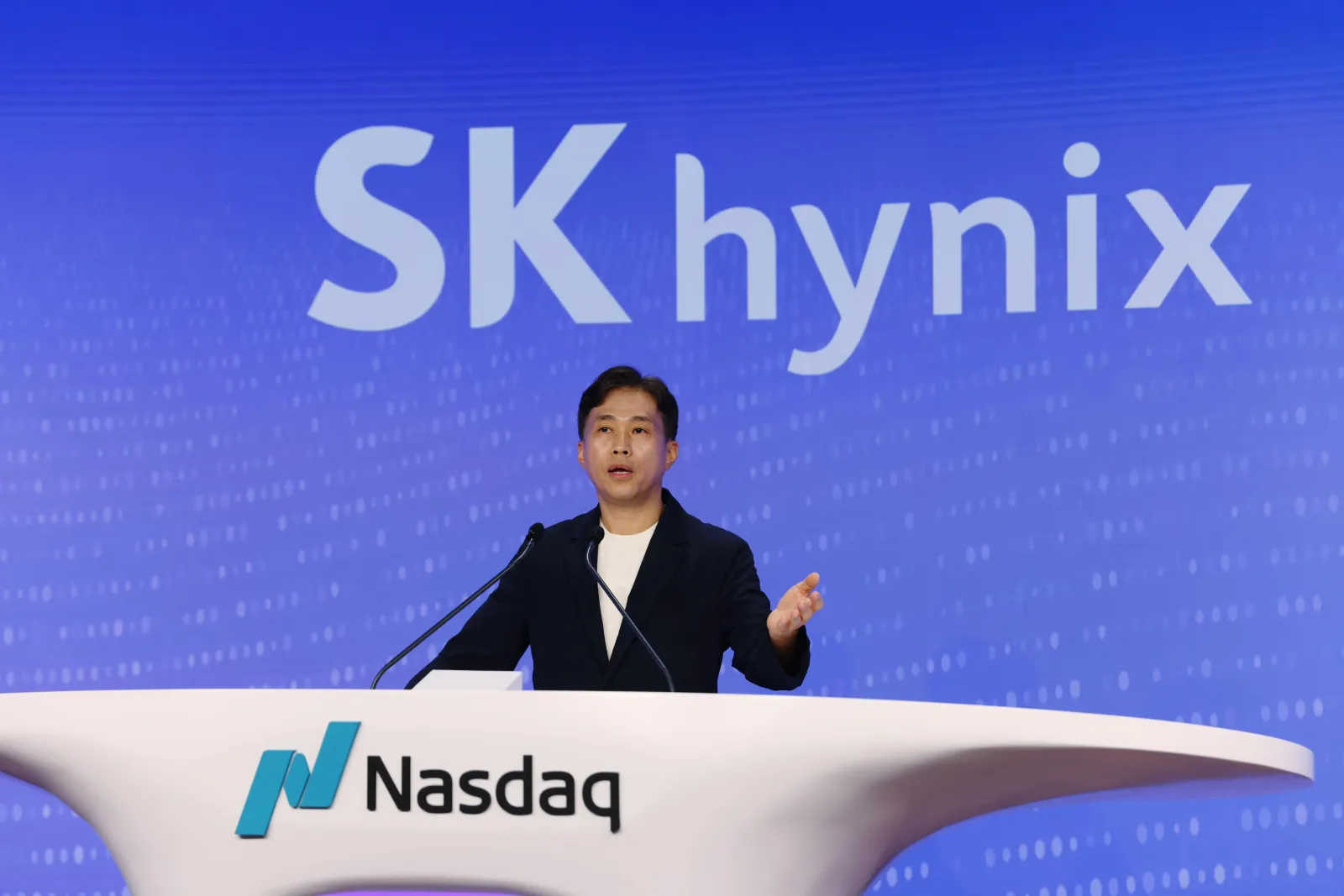
SK Hynix opens at $170, raises $26.5B, and tops foreign IPO records
In Friday's Wall Street debut, SK Hynix turns AI RAM demand into a $26.5B fundraising moment that rewrites comps.

China lands a reusable Long March booster, a first that matches SpaceX and Blue Origin
A barge landing and net-based recovery move China from theory to proof, reshaping the reusability race and satellite ambitions.